Inequality Emergency: 100,000 Workers to Descend on Delhi Demanding Super-Rich Tax
Economist Jayati Ghosh warns of an 'inequality emergency' as 100,000 workers plan a march to Delhi on December 1 to demand higher taxes on the super-rich, highlighting India's stark wealth gap.
Executive Takeaways
- Mass Mobilization: One lakh (100,000) workers are set to march to Delhi on December 1, demanding higher taxes on the super-rich, signaling growing public anger over economic inequality.
- Expert Warning: Renowned economist Jayati Ghosh has declared an 'inequality emergency' in India, citing extreme wealth concentration and inadequate taxation of the rich.
- Policy Demand: Protesters seek a wealth tax or higher income tax rates for the ultra-wealthy to fund public services and reduce the gap between rich and poor.
- Economic Context: India's GDP growth has been robust, but benefits have disproportionately accrued to the top 10%, while wages for the majority have stagnated.
- Political Ripple Effects: The protest could pressure the government to revisit fiscal policies ahead of upcoming elections, though officials have defended the current tax regime as growth-friendly.
The Core Event & Breaking Timeline
On December 1, an estimated one lakh workers from various trade unions and informal sectors will converge on the national capital, Delhi, in a massive show of strength demanding that the government impose higher taxes on the super-rich. The protest, organized under the banner of the 'Inequality Emergency' campaign, aims to highlight the stark wealth disparity in India and call for urgent fiscal reforms. The march is expected to be one of the largest workers' mobilizations in recent years, drawing attention to the growing discontent among the working class.
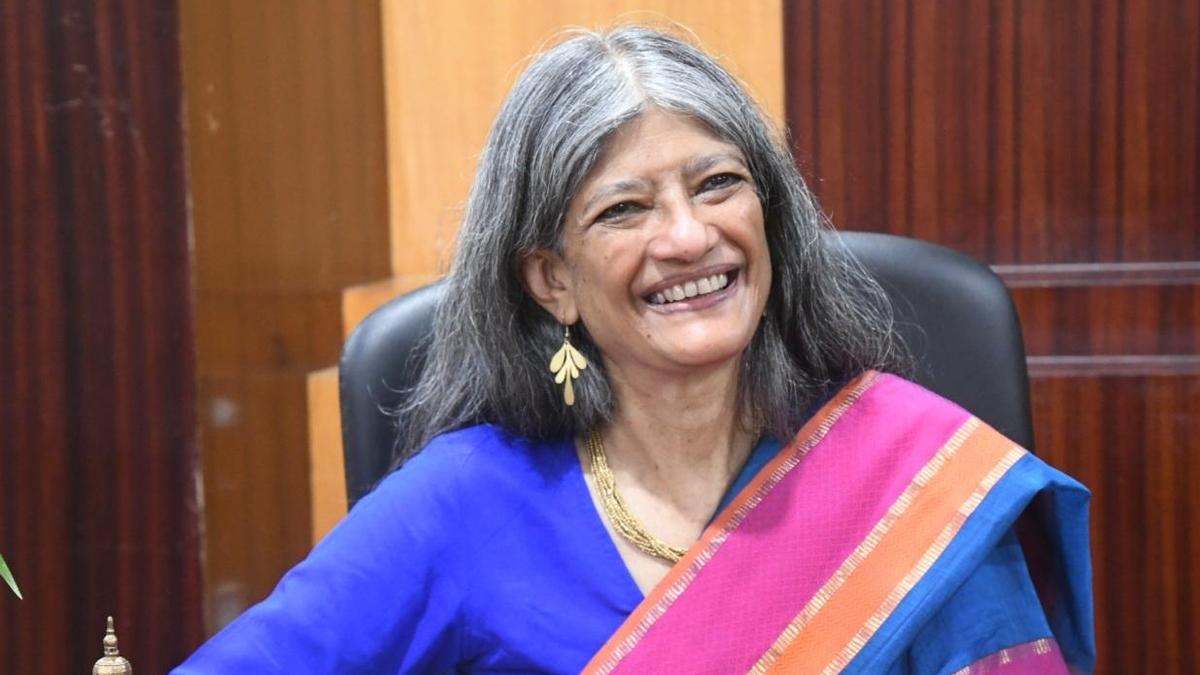
The event follows a series of warnings from leading economists, including Jayati Ghosh, who has been vocal about India's worsening inequality. Ghosh, a professor at the University of Massachusetts Amherst and a former member of the UN's Committee for Development Policy, recently described the situation as an 'inequality emergency' in a series of public statements and interviews. She argues that the concentration of wealth among a tiny elite is not only morally unacceptable but also economically unsustainable, as it dampens demand and social cohesion.
The protest comes at a time when India's economy is showing mixed signals. While GDP growth remains relatively strong at around 7%, unemployment and underemployment are high, and real wages for a large section of the population have stagnated. The government has touted its pro-business policies and tax reforms, including a reduction in corporate tax rates, as drivers of growth. However, critics argue that these measures have primarily benefited the wealthy and corporations, exacerbating inequality.
Initial reactions to the planned protest have been mixed. While some business leaders have expressed concern over potential disruptions, social activists and labor rights groups have welcomed the move, seeing it as a necessary push for equitable growth. The government has not yet officially commented on the march, but officials have previously defended the tax system as progressive and have ruled out a wealth tax, citing its potential to deter investment.
Deep Technical & Financial Architecture
At the heart of the protest is the demand for a more progressive taxation system. India currently has a progressive income tax structure, with rates ranging from 5% to 30%, plus surcharges and cess. However, the effective tax rate for the ultra-rich often ends up being lower than that for salaried employees due to various exemptions and deductions. The protesters are calling for a wealth tax on the super-rich, similar to those in some European countries, or a higher marginal tax rate for the highest income bracket.
Economists like Ghosh argue that a wealth tax could generate significant revenue to fund public services such as health, education, and social security, which are currently underfunded. According to a report by Oxfam India, a 1% wealth tax on the richest 1% could raise enough to increase government spending on health by 50%. The report also notes that the wealth of India's billionaires increased by 35% during the pandemic, while millions lost their jobs and incomes.
The financial architecture of inequality in India is complex. The top 10% of the population holds over 70% of the country's wealth, while the bottom 50% holds only about 3%. This concentration is partly due to a stock market boom that has disproportionately benefited the wealthy, as well as a real estate sector that has seen prices skyrocket in urban areas. Additionally, the informal sector, which employs over 80% of the workforce, lacks social security and fair wages, further widening the gap.
From a balance sheet perspective, higher taxes on the rich could lead to increased government revenue, which could be used to reduce fiscal deficit or increase public investment. However, critics argue that such taxes could lead to capital flight and reduced investment. The government has been cautious, focusing on simplifying the tax system and broadening the tax base rather than raising rates. The Goods and Services Tax (GST), for instance, is regressive as it affects the poor more than the rich, but it has been a key revenue source.
The technology stack of inequality is also relevant. The digital divide means that the benefits of the digital economy are concentrated among the tech-savvy urban elite, while rural and less educated populations are left behind. The protest organizers have used social media to mobilize support, highlighting how technology can be a tool for both exacerbating and challenging inequality.
Industry & Global Market Ripple Effects
The planned protest and the broader debate on inequality could have significant implications for India's business environment. If the government were to introduce a wealth tax or higher taxes on the rich, it could affect investment decisions, particularly in sectors like real estate and luxury goods. However, some analysts argue that a more equitable distribution of income could boost consumer demand, benefiting mass-market industries.
Globally, India's inequality is a concern for multinational corporations that rely on the country as a growth market. A more equitable India could mean a larger middle class and more stable social environment, which is positive for long-term business. However, if protests escalate and disrupt economic activity, it could deter foreign investment. The December 1 march is expected to be peaceful, but the government may increase security in the capital.
Competitors to India, such as Vietnam and Bangladesh, are watching closely. These countries have also seen rising inequality but have managed to attract manufacturing investment due to lower labor costs. If India's labor unrest grows, it could push some investors to consider alternatives. However, India's large domestic market remains a major draw.
Investors in Indian equities have been cautious, with the stock market showing volatility in recent weeks. The Sensex and Nifty have been range-bound as investors weigh the implications of the protest and potential policy changes. Foreign portfolio investors have been net sellers in recent months, partly due to global factors but also due to concerns over domestic issues.
Critical Perspectives, Analyst Debates & Risk Factors
While the protesters' demands have resonated with many, there are contrasting viewpoints. Some economists argue that a wealth tax would be difficult to implement and could lead to evasion and capital flight. They point out that India's tax administration is already overburdened and that collecting wealth tax would require significant resources. Instead, they suggest improving compliance and broadening the tax base.
Others argue that the focus should be on job creation and wage growth rather than redistribution. They contend that the best way to reduce inequality is through sustained high growth that creates opportunities for all. The government's recent budget has focused on infrastructure spending and incentives for manufacturing, which it hopes will spur job creation.
There are also concerns about the timing of the protest. With several state elections scheduled in the coming months, the march could become a political flashpoint. The ruling party has dismissed the protest as politically motivated, while opposition parties have extended support to the workers' demands. This politicization could complicate the dialogue between the government and the protesters.
Risk factors include the potential for violence or disruption, which could lead to a crackdown and negative publicity. The government has allowed protests in designated areas but has been strict about maintaining order. The organizers have stressed their commitment to a peaceful march, but with such a large crowd, maintaining discipline will be a challenge.
Strategic Forecast & Road Ahead
In the next 12 to 24 months, the inequality debate is likely to intensify. The December 1 protest could be a catalyst for a broader movement, with other groups joining in. The government may respond by setting up a committee to study the issue or by announcing targeted welfare measures. However, a wealth tax seems unlikely in the near term given the political and economic considerations.
Upcoming milestones include the presentation of the next Union Budget in February 2025, where the government's fiscal policy direction will be closely watched. The budget could include measures to increase spending on social sectors, funded by higher taxes on the rich or by cutting subsidies. Additionally, the results of state elections will indicate the political mood and could influence national policy.
What to watch: The size and impact of the December 1 march, the government's response, and any policy announcements in the following weeks. Also, watch for statements from international organizations like the IMF and World Bank on India's inequality, which could add pressure. The business community's reaction, especially from industry chambers like CII and FICCI, will be important.
Ultimately, the 'inequality emergency' is a wake-up call for India's policymakers. Balancing growth with equity is a challenge that many countries face, but India's scale makes it particularly critical. The December 1 protest is a symptom of a deeper malaise that needs to be addressed through inclusive policies and a fair tax system. How the government navigates this will determine the country's social and economic stability in the years to come.



Comments (0)
No comments yet. Be the first to share your thoughts!
Leave a Comment