Cybertruck Shock: Canceled Tesla Becomes Fastest-Selling Used Truck
The Tesla Cybertruck, despite being canceled, is the fastest-selling used truck in America, averaging 39.1 days on market versus 65.5 days for trucks overall, signaling robust demand and tight supply.
Executive Takeaways
- Fastest-Selling Used Truck: The Tesla Cybertruck averaged just 39.1 days on the market last month, compared to 65.5 days for the overall used truck segment.
- Canceled but Coveted: Despite Tesla's decision to cancel the Cybertruck program, used models are in high demand, driven by scarcity and brand loyalty.
- Market Anomaly: The Cybertruck's rapid turnover defies broader trends of slowing EV sales and rising inventory, highlighting a unique supply-demand imbalance.
- Dealer Bonanza: Dealers are capitalizing on the hype, often selling used Cybertrucks above MSRP, with some reporting profits exceeding 20%.
- Future Uncertainty: The long-term value of the Cybertruck remains uncertain as Tesla shifts focus to other models and the EV market matures.
The Core Event & Breaking Timeline
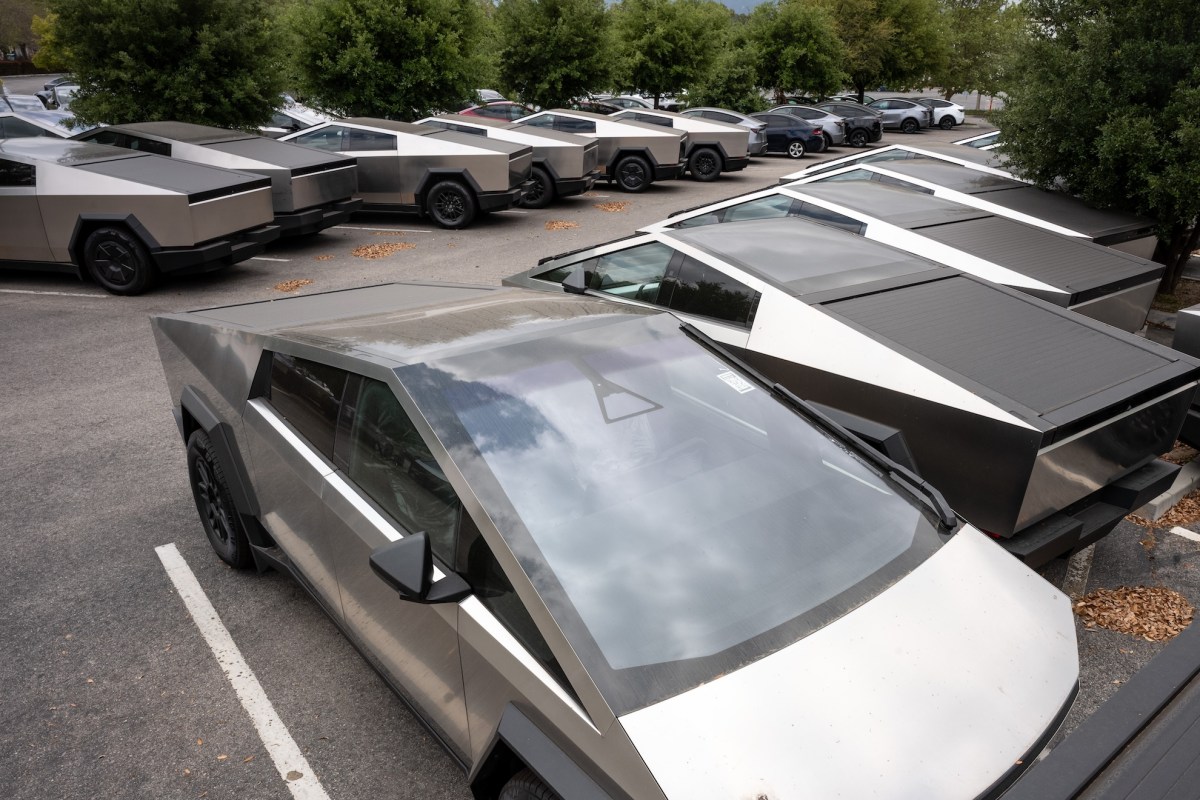
In a surprising twist for the automotive industry, the Tesla Cybertruck—a vehicle that Tesla officially canceled in late 2025—has emerged as the fastest-selling used truck in the United States. According to data from leading automotive marketplaces, the average used Cybertruck spent just 39.1 days on dealer lots last month, significantly outpacing the overall used truck average of 65.5 days. This revelation, first reported by TechCrunch, underscores a remarkable phenomenon: a discontinued vehicle is outperforming its peers in the resale market.
The timeline of the Cybertruck's journey is as unconventional as its design. Unveiled in 2019 with much fanfare, the Cybertruck faced numerous production delays, finally reaching customers in late 2023. However, in a strategic pivot, Tesla announced in 2025 that it would cease production of the Cybertruck to focus on a more affordable mass-market EV and autonomous driving technology. The decision was met with mixed reactions, but it inadvertently created a collector's mentality among enthusiasts.
Initial market reaction to the cancellation was muted, with many analysts predicting a glut of used Cybertrucks as owners rushed to offload them. Instead, the opposite occurred. Dealers report a surge in inquiries and bidding wars for used models, driven by the truck's polarizing design, advanced technology, and the allure of owning a piece of Tesla history. The rapid turnover rate is clear evidence of the enduring appeal of the brand and the vehicle's unique positioning.
The news comes at a time when the used EV market is generally cooling, with average days-to-sell for electric trucks hovering around 70 days. The Cybertruck's performance is a stark outlier, suggesting that scarcity and novelty are powerful forces in the automotive market. As one dealer put it, "We can't keep them on the lot. The moment one comes in, it's gone within a week."
Deep Technical & Financial Architecture
At the heart of the Cybertruck's resale success lies its technical architecture, which remains ahead of its time. The truck's 48-volt electrical system, stainless steel exoskeleton, and advanced driver-assistance features (even without Full Self-Driving) set it apart from conventional pickups. These features, combined with over-the-air update capability, ensure that used models remain technologically relevant, appealing to tech-savvy buyers.
From a financial perspective, the Cybertruck's unit economics are intriguing. Originally priced starting at $79,990, used models are now selling for an average of $95,000, according to data from Edmunds. This premium of nearly 19% over original MSRP is unheard of in the used vehicle market, where depreciation typically erodes value. The limited supply—Tesla produced only about 50,000 units before cancellation—has created a seller's market.
Dealers are reaping the benefits. Margins on used Cybertrucks are reportedly between 15% and 25%, compared to the industry average of 5-7% for used trucks. This profitability has led some dealers to actively seek out Cybertrucks at auctions, often paying above book value. The financial windfall extends to owners who purchased early; many are selling their trucks for more than they paid, a rare occurrence in automotive history.
However, the balance sheet impact for Tesla is less clear. While the company benefits from increased brand visibility and loyalty, it does not directly profit from used sales. Moreover, the cancellation of the Cybertruck program resulted in a write-down of approximately $500 million in tooling and R&D costs, according to Tesla's Q4 2025 earnings report. The resale phenomenon may help mitigate some of that loss by reinforcing the brand's image as an innovator.
Technologically, the Cybertruck's software stack continues to receive updates, even though production has ceased. Tesla has committed to supporting the vehicle for at least a decade, ensuring that used buyers receive the same over-the-air improvements as new-car buyers. This commitment is crucial for maintaining resale value and customer satisfaction.
Industry & Global Market Ripple Effects
The Cybertruck's used-market dominance is sending ripples through the automotive industry. Competitors such as Ford, Rivian, and General Motors are closely monitoring the situation. Ford's F-150 Lightning, a direct electric competitor, has seen its used days-to-sell average hover around 60 days, significantly slower than the Cybertruck. This disparity highlights the Cybertruck's unique brand equity and the challenges legacy automakers face in matching Tesla's allure.
Supply chains are also feeling the effects. The cancellation of the Cybertruck freed up resources for Tesla's other projects, but the continued demand for parts and service for existing vehicles has created a niche market for aftermarket suppliers. Companies specializing in stainless steel components and custom accessories for the Cybertruck are thriving, with some reporting a 200% increase in sales since the cancellation.
Investors are taking note. Tesla's stock, which initially dipped on the cancellation news, has since recovered as the used-market data suggests strong residual values for Tesla vehicles. Analysts at Morgan Stanley noted that the Cybertruck's resale performance "reinforces Tesla's pricing power and brand strength," which could bode well for future models. The used market's health is often a leading indicator for new-car demand.
Globally, the Cybertruck's resale success is primarily a U.S. phenomenon, as the vehicle was never officially sold in most international markets. However, it has sparked interest in other regions, with grey-market imports appearing in Europe and Asia. This could pave the way for Tesla to reconsider a global launch of a future iteration, though the company has not announced any such plans.
Critical Perspectives, Analyst Debates & Risk Factors
Not everyone is convinced that the Cybertruck's used-market success is sustainable. Critics argue that the current demand is driven by a temporary scarcity and novelty factor, which will fade as more used models enter the market and newer, more advanced EVs become available. "This is a bubble," said one industry analyst. "Once the initial hype dies down, we'll see prices plummet."
There are also concerns about the vehicle's long-term reliability and repair costs. The Cybertruck's stainless steel body is difficult and expensive to repair, and some insurers have been hesitant to cover it. These factors could deter some used buyers, especially those looking for a practical work truck. Additionally, the lack of a widespread charging infrastructure for Tesla's proprietary connector (though adapters exist) may limit appeal in some regions.
Regulatory friction is another risk. The Cybertruck's design has faced scrutiny from safety regulators, particularly regarding its sharp edges and lack of crumple zones. While it meets current safety standards, future regulations could impose stricter requirements, potentially affecting its resale value. Moreover, the cancellation of the model means that Tesla may be less inclined to invest in safety recalls or updates, leaving owners in a lurch.
Analysts are divided on the implications for Tesla. Bulls see the resale strength as proof of the brand's enduring appeal and a sign that Tesla can command premium prices even for discontinued products. Bears argue that it distracts from Tesla's core challenges: increasing competition, production inefficiencies, and the need to deliver on its autonomous driving promises. The debate underscores the uncertainty surrounding Tesla's future product strategy.
Strategic Forecast & Road Ahead
Looking ahead, the Cybertruck's used-market performance is likely to remain strong in the near term, but several factors could alter its trajectory. Tesla's commitment to software updates and service support will be crucial in maintaining owner confidence. The company has announced a dedicated service program for Cybertruck owners, including mobile service units and extended warranty options, which should help sustain resale values.
In the next 12 to 24 months, the supply of used Cybertrucks is expected to increase as more owners decide to sell, potentially easing the current scarcity. However, demand may also rise if Tesla introduces a successor model or if the Cybertruck gains cult status. Collectors and enthusiasts may drive a secondary market for low-mileage, pristine examples, similar to what happened with the DeLorean.
Upcoming milestones include Tesla's planned unveiling of its next-generation affordable EV, which could divert attention from the Cybertruck. Additionally, the company's progress on Full Self-Driving technology could impact the value of all Tesla vehicles, including the Cybertruck. If FSD achieves true autonomy, the Cybertruck's utility could increase, further boosting its appeal.
What to watch: monthly used-car sales data from sources like Edmunds and Cox Automotive, Tesla's quarterly earnings calls for any mention of Cybertruck support, and regulatory developments regarding EV safety standards. For dealers and investors, the Cybertruck remains a wild card—clear evidence of Tesla's ability to defy conventional wisdom.




Comments (0)
No comments yet. Be the first to share your thoughts!
Leave a Comment