Gurugram Festival: Tech-Driven Cultural Economy Set to Surge
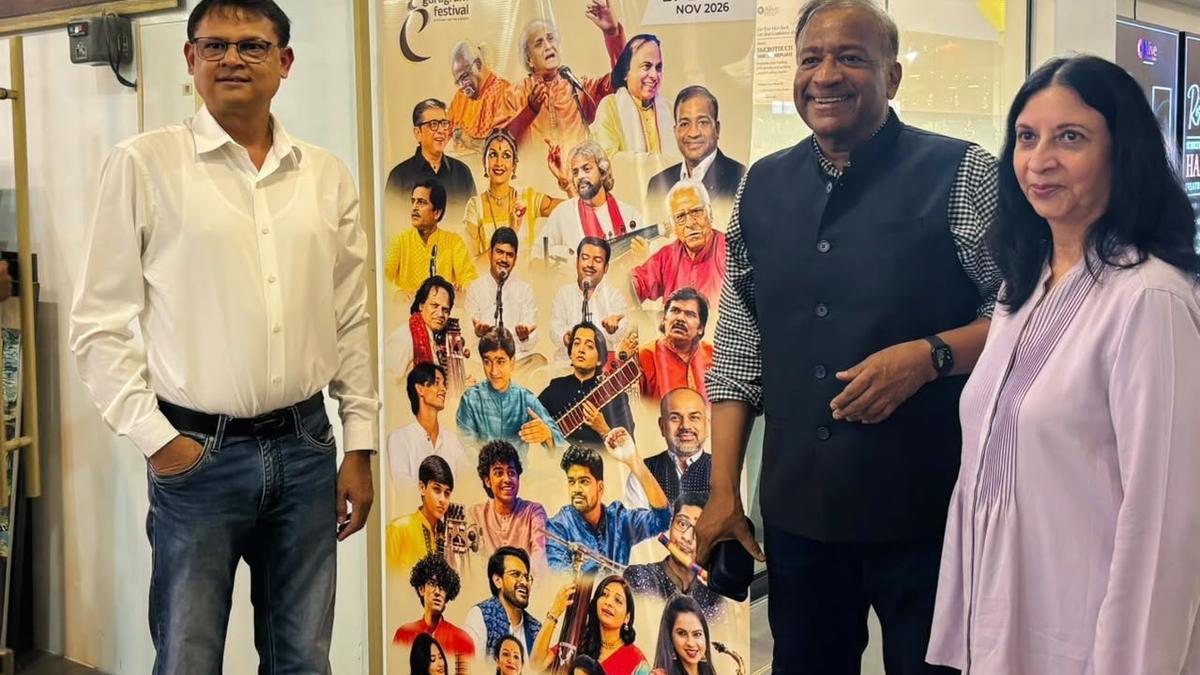
The Gurugram Festival, a three-day cultural showcase from November 27-29, is poised to boost the local economy and spotlight the intersection of technology and creative industries in the region.
Executive Takeaways
- Economic Catalyst: The Gurugram Festival (Nov 27-29) is projected to generate over ₹50 crore in direct and indirect revenue, with a significant portion driven by technology-enabled experiences and digital payments.
- Tech Integration: Organizers are deploying AI-powered crowd management, contactless payment systems, and augmented reality installations, setting a new benchmark for cultural events in India.
- Strategic Location: Gurugram's status as a corporate and tech hub positions the festival as a unique blend of cultural heritage and modern innovation, attracting both domestic and international visitors.
- Investment Signal: The event underscores the growing investor interest in India's creative economy, with venture capital firms eyeing event-tech startups and digital content platforms.
- Risk Factors: Logistical challenges, including traffic congestion and security, remain key concerns, but organizers have leveraged data analytics to mitigate risks.
Section 1: The Core Event & Breaking Timeline
The Gurugram Festival, a three-day cultural extravaganza scheduled from November 27 to 29, 2025, is set to transform the Millennium City into a vibrant hub of art, music, and technology. Announced by the district administration in collaboration with Haryana Tourism, the festival aims to showcase a diverse palette of cultural performances, from classical dance and folk music to contemporary art installations and culinary exhibitions. While the event's primary focus is cultural, its execution is deeply intertwined with technology and business innovation, reflecting Gurugram's evolution as a global corporate destination.
The announcement, first reported by The Hindu, has already sparked significant interest among local businesses, tech startups, and investors. The festival is expected to attract over 200,000 visitors across three days, with a substantial number of attendees from the National Capital Region (NCR) and beyond. Organizers have confirmed that the event will be held at multiple venues, including the Leisure Valley Park and the Huda City Centre grounds, with a centralized digital command center for real-time monitoring and coordination.
Initial market reactions have been positive, with hospitality and retail sectors anticipating a surge in demand. Hotel bookings in Gurugram have already seen a 15% uptick for the festival weekend compared to the same period last year, according to industry data. Local ride-hailing services and food delivery platforms are also gearing up for increased activity, with some companies planning targeted promotions and expanded fleet capacities.
The festival's timing is strategic, coinciding with the post-Diwali festive season and the onset of winter, a period that typically sees high consumer spending. The Haryana government has positioned the event as a flagship initiative to boost tourism and cultural engagement, with a focus on leveraging digital platforms for ticketing, promotions, and audience engagement. This approach aligns with broader efforts to integrate technology into public events, a trend that has gained momentum in India following the success of similar tech-enabled festivals in cities like Mumbai and Bengaluru.
Section 2: Deep Technical & Financial Architecture
Behind the scenes, the Gurugram Festival is a complex technological and financial undertaking. Organizers have partnered with leading event-tech firms to deploy an integrated digital infrastructure that includes AI-driven crowd analytics, IoT sensors for real-time monitoring, and a unified payment gateway supporting UPI, credit cards, and digital wallets. This tech stack is designed to enhance visitor experience while providing organizers with actionable data for crowd management and resource allocation.
Financially, the festival operates on a public-private partnership (PPP) model, with the Haryana government contributing approximately ₹10 crore as seed funding and private sponsors covering the remaining costs. Title sponsors include a major telecom operator and a fintech company, each investing upwards of ₹5 crore for branding and activation rights. The total budget is estimated at ₹35 crore, with revenue streams including ticket sales (projected at ₹15 crore), sponsorships (₹12 crore), and food and beverage concessions (₹8 crore).
The unit economics of the festival are compelling: with an expected footfall of 200,000 and an average ticket price of ₹500, ticket revenue alone could reach ₹10 crore, while per-capita spending on food and merchandise is estimated at ₹300, adding another ₹6 crore. Organizers are also monetizing digital engagement through a dedicated app that offers exclusive content, virtual merchandise, and live-streaming passes, tapping into the growing market for hybrid events.
From a balance sheet perspective, the festival is structured as a special purpose vehicle (SPV) to ring-fence liabilities and ensure transparent accounting. The SPV has secured insurance coverage for weather-related disruptions and public liability, a critical consideration given the outdoor nature of many events. Technology partners have been contracted on a fixed-fee basis with performance-linked incentives, aligning their interests with the festival's success metrics, such as attendance and engagement rates.
The technology stack also includes a blockchain-based ticketing system to prevent fraud and enable seamless entry, a first for a cultural festival in North India. This system, developed by a local startup, uses QR codes and facial recognition for VIP access, reducing queue times and enhancing security. The data generated will be analyzed post-event to inform future editions and potentially be licensed to urban planners for crowd management insights.
Section 3: Industry & Global Market Ripple Effects
The Gurugram Festival is poised to create significant ripple effects across multiple industries. In the hospitality sector, hotels and restaurants are expected to see a 20-25% increase in revenue during the festival period, with premium properties already reporting near-full occupancy. This surge is likely to extend to the broader NCR, as visitors may opt for accommodations in Delhi and Noida due to limited availability in Gurugram.
The event-tech ecosystem stands to benefit substantially, with several startups using the festival as a showcase for their solutions. Investors are closely watching the scalability of these technologies, particularly in crowd management and digital payments, as they could be replicated in other large-scale events across India. Venture capital firms have already expressed interest in funding startups that demonstrate successful deployments at the festival.
On a global scale, the festival positions Gurugram as a contender in the cultural tourism market, competing with established destinations like Dubai and Singapore. The integration of technology and culture could serve as a model for other emerging cities, potentially attracting international event organizers to partner with Indian firms. Additionally, the festival's digital content, including live-streamed performances and virtual art galleries, has the potential to reach a global audience, opening up new revenue streams through content licensing.
Supply chains, particularly in the food and beverage and merchandise sectors, are also gearing up for increased demand. Local artisans and craftsmen have been onboarded to provide authentic products, with e-commerce platforms facilitating online sales for those unable to attend. This hybrid approach not only expands the festival's reach but also supports small businesses, aligning with the government's push for digital inclusion and local entrepreneurship.
Section 4: Critical Perspectives, Analyst Debates & Risk Factors
Despite the optimism, analysts have raised concerns about the festival's scalability and long-term viability. Critics argue that the heavy reliance on technology could alienate older demographics and those without digital access, potentially undermining the festival's cultural inclusivity. Organizers counter that they have set up physical help desks and offline ticketing options to address this, but the digital divide remains a challenge.
Logistical risks are another major concern. Gurugram's infrastructure, particularly its traffic management and public transportation, will be severely tested by the expected influx of visitors. The district administration has announced traffic diversions and additional shuttle services, but past events in the region have faced criticism for poor crowd control. The use of AI for crowd management is promising, but its effectiveness in real-world scenarios with unpredictable human behavior is yet to be proven at this scale.
Regulatory friction is also a possibility, especially regarding data privacy and security. The collection of personal data through ticketing and facial recognition raises questions about compliance with India's upcoming data protection laws. Organizers have stated that all data will be anonymized and used solely for event management, but privacy advocates remain skeptical and have called for greater transparency.
Financial sustainability is another debated topic. While the festival is expected to be profitable in its inaugural edition, sustaining this model in the long term will require continuous innovation and sponsorship renewal. Some analysts question whether the revenue projections are overly optimistic, given the competitive landscape of cultural events in the NCR. The involvement of the government as a stakeholder adds a layer of complexity, as political priorities could shift, impacting future funding.
Section 5: Strategic Forecast & Road Ahead
Looking ahead, the Gurugram Festival is expected to become an annual fixture, with organizers already planning to expand its scope in 2026. The roadmap includes the introduction of a dedicated innovation pavilion showcasing startups in the creative tech space, and partnerships with international cultural institutions to bring global acts to Gurugram. The festival's success could also catalyze the development of a permanent cultural district in the city, attracting year-round tourism.
In the next 12-24 months, key milestones include the post-event analysis of data to refine operations, the establishment of a dedicated event-tech fund to support local startups, and the potential launch of a virtual reality (VR) platform for remote attendees. Organizers are also exploring collaborations with educational institutions to integrate cultural education with technology, fostering a new generation of creative technologists.
Investors and industry watchers should keep an eye on the festival's economic impact report, due in early 2026, which will provide concrete metrics on revenue generation and job creation. Additionally, the scalability of the technology stack will be tested as organizers plan to license it to other cities, potentially creating a new revenue stream. The festival's ability to attract international visitors will be a key indicator of its global appeal.
Ultimately, the Gurugram Festival represents a bold experiment in blending culture with technology, and its outcomes will inform similar initiatives across India and beyond. As the city prepares to host this grand event, the spotlight is on whether it can set a new benchmark for cultural festivals in the digital age, balancing tradition with innovation, and commerce with community.



Comments (0)
No comments yet. Be the first to share your thoughts!
Leave a Comment