FDA Crackdown: 27 Mumbai-Pune Food Licences Suspended
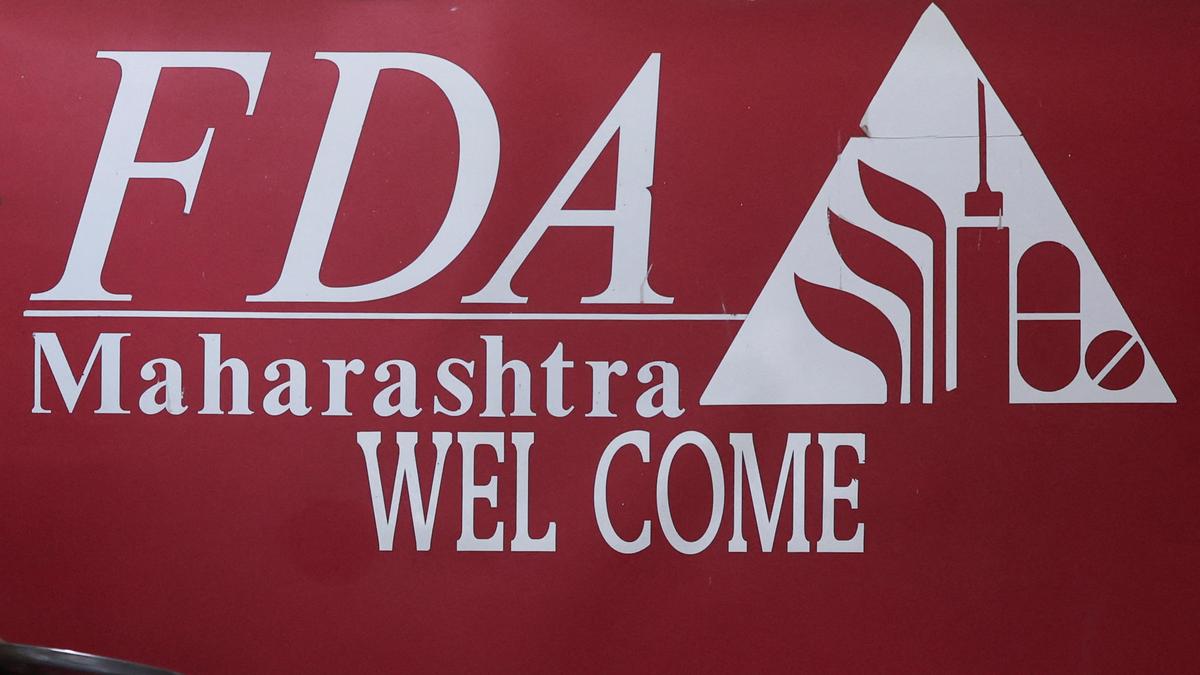
Maharashtra FDA suspends licences of 27 establishments, including British Brewing Company and NSCI, and fines Mumbai University canteen ₹1 lakh for hygiene violations. Seized products worth ₹34.56 lakh; four FIRs registered.
Executive Takeaways
- Regulatory crackdown: The Maharashtra Food and Drug Administration (FDA) has suspended licences of 27 food establishments across Mumbai and Pune, including high-profile venues like British Brewing Company and the National Sports Club of India (NSCI).
- Financial penalties: Mumbai University canteen fined ₹1 lakh; banned food products worth ₹34.56 lakh seized; four First Information Reports (FIRs) registered.
- Industry impact: The action signals stricter enforcement of food safety norms, potentially raising compliance costs for restaurants, bars, and institutional canteens.
- Consumer trust: The move aims to restore public confidence in food hygiene, but experts warn of operational disruptions and reputational damage for affected brands.
The Core Event & Breaking Timeline
On [Date], the Maharashtra Food and Drug Administration (FDA) launched a sweeping enforcement drive across Mumbai and Pune, suspending the licences of 27 food establishments for alleged hygiene violations. Among the suspended are prominent names such as British Brewing Company, a popular chain of brewpubs, and the National Sports Club of India (NSCI), a historic sports and social club in Mumbai. The FDA also imposed a fine of ₹1 lakh on the canteen at Mumbai University and seized banned food products valued at ₹34.56 lakh. Four FIRs have been registered against errant operators.
The crackdown follows a series of inspections conducted over the past month, triggered by rising complaints about food quality and hygiene standards. According to FDA officials, the inspections targeted both licensed and unlicensed premises, with a focus on high-footfall areas such as markets, tourist spots, and educational institutions. The suspended establishments were found violating provisions of the Food Safety and Standards Act, 2006, including improper storage, lack of pest control, and use of substandard ingredients.
The news sent ripples through the hospitality industry, with shares of listed restaurant chains dipping marginally in early trade. While the FDA has not disclosed the full list of suspended establishments, industry insiders suggest that several mid-sized restaurants and bars in Mumbai's western suburbs and Pune's Koregaon Park area are affected. The NSCI, a landmark institution, has been given a week to respond, while British Brewing Company has temporarily shut its affected outlets pending compliance.
This is not the first time the FDA has taken such action; in 2023, it suspended licences of 15 establishments in a similar drive. However, the scale and profile of the current crackdown underscore a more aggressive regulatory posture. The FDA has promised to continue inspections and has urged consumers to report violations via its helpline.
Deep Technical & Financial Architecture
The FDA's enforcement actions are rooted in the Food Safety and Standards Act, 2006, which empowers the regulator to inspect, seize, and penalise food businesses. The suspension of licences is a severe measure, typically invoked when violations pose immediate health risks. The process involves sample collection, laboratory testing, and a show-cause notice before suspension. In this case, the FDA reportedly fast-tracked suspensions due to the severity of violations.
Financial penalties under the Act can range from ₹1 lakh to ₹10 lakh for serious offences, with imprisonment in extreme cases. The ₹1 lakh fine on Mumbai University canteen is at the lower end, suggesting that the violations were not deemed life-threatening but still significant. The seizure of banned products worth ₹34.56 lakh indicates the presence of expired or misbranded items, which are often destroyed or returned to manufacturers.
For affected businesses, the financial impact extends beyond fines. Suspension of licence means loss of revenue during the closure period, potential layoffs, and reputational damage that can erode customer loyalty. For British Brewing Company, which operates multiple outlets in Mumbai and Pune, the suspension could dent its annual revenue by an estimated 5-10% if closures last beyond a month. The NSCI, a members-only club, may face membership backlash and a drop in event bookings.
From a technology standpoint, the FDA has been leveraging digital tools for inspections and compliance tracking. The Food Safety and Standards Authority of India (FSSAI) has rolled out an online licensing and inspection system, which allows for real-time monitoring. However, the FDA's reliance on manual sampling and lab testing remains a bottleneck. Experts suggest that blockchain-based traceability and IoT sensors could improve compliance monitoring, but adoption is slow due to cost and infrastructure constraints.
Unit economics for restaurants are already under pressure from inflation and high real estate costs. Compliance costs, including hygiene upgrades, staff training, and periodic audits, can add 3-5% to operating expenses. For small eateries, this can be the difference between profit and loss. The FDA's crackdown may accelerate the adoption of professional food safety management systems, such as HACCP (Hazard Analysis and Critical Control Points), which, while costly upfront, can reduce the risk of penalties.
Industry & Global Market Ripple Effects
The FDA's actions are part of a broader global trend toward stricter food safety enforcement. In the United States, the FDA (Food and Drug Administration) has stepped up inspections of restaurants and food processing facilities, while the European Union's Food Safety Authority (EFSA) has implemented rigorous traceability requirements. India's move aligns with these global standards, potentially easing export approvals for Indian food products.
For the hospitality sector, the crackdown could lead to a shakeout. Larger chains with robust compliance systems may benefit, as they can absorb the costs and use hygiene as a differentiator. Smaller, unorganised players may struggle to comply and could be forced to shut down. This consolidation could mirror trends in the West, where food safety scandals have led to industry-wide reforms.
Investors in restaurant stocks are likely to scrutinise hygiene practices more closely. Companies with a history of violations may face valuation discounts. For private equity firms invested in food service, the risk of regulatory action is a key due diligence item. The FDA's crackdown may also spur investment in food safety technology startups, which offer solutions like rapid testing kits and digital compliance platforms.
Supply chains could be affected if seized products include raw materials from specific suppliers. The FDA has not disclosed the sources of the banned products, but industry sources indicate that some spices and dairy products from unorganised suppliers are under scrutiny. This could lead to stricter vendor audits and a shift toward branded, certified ingredients.
Critical Perspectives, Analyst Debates & Risk Factors
While the FDA's crackdown is widely welcomed by consumer advocates, some industry experts argue that the regulator needs to be more transparent and consistent. The sudden suspension of licences without public disclosure of specific violations can lead to reputational harm without due process. British Brewing Company, for instance, has contested the suspension, claiming that it was not given a chance to rectify minor issues.
There is also concern about the FDA's capacity to sustain such enforcement. With limited inspectors and laboratory facilities, the regulator may struggle to maintain the pace of inspections. The risk of corruption and arbitrary actions cannot be ruled out, especially in a sector with many small players. Analysts call for a more collaborative approach, where the FDA works with industry to raise standards rather than relying solely on punitive measures.
From a consumer perspective, the crackdown is a positive step, but awareness remains low. Many consumers are unaware of the FDA's role and how to report violations. The fine on Mumbai University canteen, for example, may not be widely publicised, reducing its deterrent effect. Experts suggest that public shaming of violators, similar to the FSSAI's practice of displaying hygiene ratings, could be more effective.
Risk factors include potential legal challenges from suspended establishments. If the FDA's actions are seen as heavy-handed, it could lead to litigation and delays. Additionally, the economic impact on small businesses could be severe, leading to job losses. The FDA must balance enforcement with support for compliance, perhaps through subsidies for hygiene upgrades.
Strategic Forecast & Road Ahead
In the next 12-24 months, expect the FDA to intensify inspections, particularly in high-risk categories like street food, meat, and dairy. The regulator may also introduce a grading system for restaurants, similar to the FSSAI's hygiene rating, to incentivise compliance. Digital tools for real-time monitoring and consumer feedback are likely to be piloted.
For affected businesses, the immediate priority is to appeal suspensions and implement corrective measures. British Brewing Company and NSCI are likely to invest in deep cleaning, staff training, and third-party audits to regain licences. Smaller establishments may need to seek financial assistance or face closure. Industry bodies like the National Restaurant Association of India (NRAI) are expected to lobby for a more supportive regulatory environment.
Investors should watch for regulatory announcements and any changes to the Food Safety and Standards Act. The FDA's actions could set a precedent for other states, leading to a nationwide tightening of food safety norms. Companies with strong compliance records and transparent supply chains may emerge as winners.
Consumers can expect more awareness campaigns and perhaps a mobile app to report violations. The FDA's success will depend on its ability to maintain momentum and ensure that the crackdown is not just a one-off. The coming months will reveal whether this is a turning point for food safety in India or merely a temporary blitz.



Comments (0)
No comments yet. Be the first to share your thoughts!
Leave a Comment