Bihar SUV-Truck Crash: Five Dead, Three Injured in Lakhisarai
A tragic SUV-truck collision in Lakhisarai, Bihar, has claimed five lives and left three injured, underscoring persistent road safety challenges in India.
Executive Takeaways
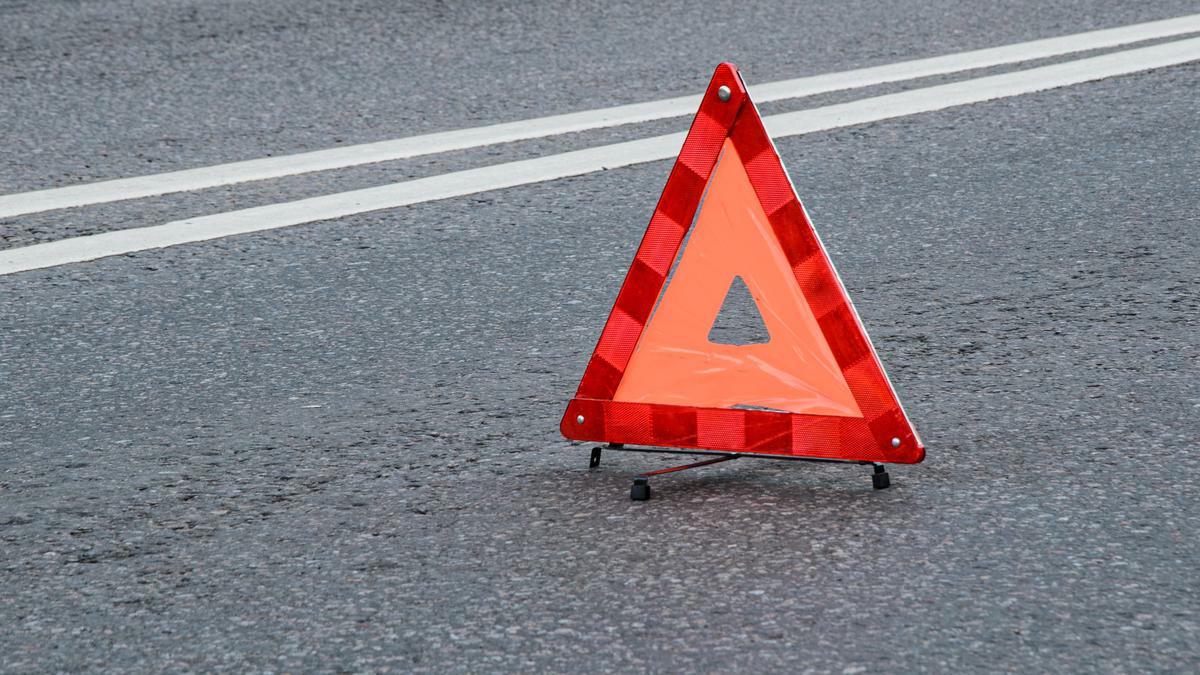
- Fatal Collision: Five people were killed and three injured when an SUV collided with a truck near Gunsagar village in Lakhisarai, Bihar, on the Lakhisarai-Jamui main road.
- Persistent Safety Crisis: The accident highlights India's ongoing road safety challenges, with over 150,000 road deaths annually, according to NCRB data.
- Infrastructure Gaps: The Lakhisarai-Jamui road, like many state highways, suffers from poor maintenance, inadequate signage, and lack of safety barriers.
- Economic Impact: Road accidents cost India approximately 3% of GDP annually, with families facing catastrophic financial burdens.
- Regulatory Push: The Motor Vehicles (Amendment) Act 2019 aims to improve safety, but enforcement remains inconsistent.
The Core Event & Breaking Timeline
In the early hours of Tuesday, a devastating collision occurred near Gunsagar village in the Tetarhat police station area of Lakhisarai district, Bihar, when a sports utility vehicle (SUV) collided head-on with a truck on the Lakhisarai-Jamui main road. According to local police, the SUV was carrying eight passengers at the time of the accident. Five individuals died on the spot, while three others sustained critical injuries and were rushed to the Sadar Hospital in Lakhisarai for emergency treatment. The identities of the victims are yet to be officially released as authorities work to notify their families.
The accident took place on a stretch of road known for its poor condition and frequent heavy vehicle traffic. Preliminary investigations suggest that the SUV may have been attempting to overtake another vehicle when it collided with the oncoming truck. Police have registered a case and are investigating the exact cause, including whether speed, alcohol, or driver fatigue played a role. The truck driver fled the scene but was later apprehended; his vehicle has been seized for forensic examination.
Local residents have long complained about the hazardous condition of the Lakhisarai-Jamui road, which lacks proper lighting, signage, and pedestrian crossings. The road is a vital link for goods transport between Bihar and neighboring Jharkhand, and sees a high volume of trucks and commercial vehicles. The accident has reignited calls for improved road safety measures in the region.
In the immediate aftermath, district officials visited the site and promised a thorough inquiry. The state transport department has announced a review of accident-prone zones across the district. However, for the families of the victims, the tragedy underscores the human cost of inadequate road infrastructure and lax enforcement of traffic laws.
Deep Technical & Financial Architecture
From a technical standpoint, the collision highlights several systemic failures in road design and vehicle safety. The Lakhisarai-Jamui road is a two-lane undivided highway with no central median, making head-on collisions more likely during overtaking maneuvers. According to a 2022 report by the National Highways Authority of India (NHAI), undivided highways account for over 60% of fatal accidents in the country. The absence of crash barriers, rumble strips, and proper curve delineation further exacerbates risks.
Vehicle safety standards also come into question. The SUV involved, likely a popular model in the Indian market, may not have been equipped with advanced driver-assistance systems (ADAS) such as automatic emergency braking or lane-keeping assist, which are increasingly standard in developed markets. India's Bharat New Car Assessment Programme (BNCAP) has started rating vehicles for crash safety, but many entry-level models still score poorly. The truck, a heavy commercial vehicle, may have lacked reflective tape or proper lighting, reducing its visibility at night.
Financially, road accidents impose a massive burden on India's economy. A 2019 World Bank study estimated that road crashes cost India $58 billion annually, equivalent to 3.14% of GDP. This includes direct costs such as medical expenses, vehicle damage, and legal fees, as well as indirect costs like lost productivity and funeral expenses. For low-income families, the loss of a breadwinner can push them into poverty. Insurance penetration remains low; many commercial vehicles operate without adequate third-party liability coverage, leaving victims with little recourse.
The unit economics of road safety interventions are compelling. The World Bank estimates that every $1 invested in road safety yields $4 in economic benefits. Simple measures like installing speed humps, improving signage, and enforcing helmet and seatbelt laws can drastically reduce fatalities. However, state governments often lack the funds or political will to implement these measures. In Bihar, road safety spending has been historically low, with the state's transport budget prioritizing new construction over maintenance and safety upgrades.
Technology offers some hope. The government's Vehicle Location Tracking System (VLTS) mandate for commercial vehicles, aimed at improving fleet management and accident response, is being rolled out gradually. Additionally, the use of AI-powered traffic cameras and automated challan systems in cities like Delhi and Mumbai has shown promise in reducing violations. However, such technologies are yet to reach rural districts like Lakhisarai.
Industry & Global Market Ripple Effects
The Lakhisarai accident is a stark reminder of the challenges facing India's automotive and logistics industries. The truck involved in the collision was likely part of the unorganized sector, which accounts for over 70% of India's trucking fleet. These operators often cut corners on maintenance and driver training to stay competitive, leading to higher accident rates. The incident may prompt insurers to reassess risk premiums for commercial vehicles operating on poorly maintained routes.
For automakers, the accident underscores the need for safer vehicle designs. Global NCAP has been pressuring Indian manufacturers to improve crashworthiness, and consumer awareness is growing. Mahindra & Mahindra, Tata Motors, and Maruti Suzuki have made strides in recent years, with some models achieving 5-star ratings. However, these features often come at a premium, and price-sensitive buyers in rural areas may opt for cheaper, less safe vehicles. The government's push for electric vehicles (EVs) could also impact safety, as EVs have different crash dynamics due to battery placement.
Globally, road safety is a growing focus for investors and regulators. The United Nations has declared 2021-2030 as the Decade of Action for Road Safety, aiming to halve road deaths by 2030. Companies with strong safety records and innovative safety technologies, such as Autoliv and Mobileye, are attracting investment. In India, startups like SaveLIFE Foundation and road safety analytics firms are gaining traction, offering data-driven solutions to identify and mitigate accident hotspots.
The supply chain implications are also significant. Bihar is a key agricultural state, and the Lakhisarai-Jamui road is a critical artery for transporting produce to markets. Accidents disrupt supply chains, leading to delays and higher costs. Improved road safety could enhance logistics efficiency and reduce wastage, benefiting farmers and consumers alike.
Critical Perspectives, Analyst Debates & Risk Factors
While the immediate cause of the Lakhisarai accident is under investigation, analysts point to deeper systemic issues. Some experts argue that India's road safety strategy is overly focused on post-crash response rather than prevention. Dr. Geetam Tiwari, a professor at IIT Delhi and a leading road safety expert, has repeatedly emphasized the need for safer road design and stricter enforcement of speed limits. She notes that many Indian roads are designed for high speeds without adequate safety features, leading to severe crashes.
Others highlight the role of corruption and lax enforcement. Traffic police in many states are understaffed and under-equipped, and bribery is rampant. The Motor Vehicles (Amendment) Act 2019 increased penalties for violations, but enforcement remains inconsistent. In Bihar, the traffic police force is particularly stretched, with fewer officers per vehicle than the national average. Without robust enforcement, even the best laws are ineffective.
There is also debate over the effectiveness of vehicle safety regulations. While BNCAP has raised awareness, some manufacturers argue that making advanced safety features standard would increase costs and reduce affordability. Consumer groups counter that safety should not be a luxury. The government's proposal to mandate six airbags in all cars from October 2023 was met with resistance from industry, citing cost concerns. A compromise was reached to make it mandatory for certain segments, but the debate continues.
Risk factors for future accidents include increasing vehicle ownership, inadequate road maintenance, and climate change-induced extreme weather events. India's vehicle fleet is growing at over 8% annually, putting pressure on existing infrastructure. Many state highways are overdue for resurfacing, and monsoon rains often wash away road shoulders, creating hazards. Without significant investment in road maintenance and safety, accidents like the one in Lakhisarai are likely to recur.
Strategic Forecast & Road Ahead
In the next 12-24 months, several developments could shape road safety in India. The government is expected to roll out the second phase of the Bharat New Car Assessment Programme (BNCAP), which will include more stringent tests and public disclosure of ratings. This could incentivize manufacturers to improve safety features. Additionally, the Ministry of Road Transport and Highways (MoRTH) has announced plans to identify and rectify accident black spots on national highways, with a target of reducing accidents by 30% by 2025.
Technology adoption will accelerate. The use of AI for traffic management and accident prediction is gaining traction. Startups like IntelliSmart and Vision-AR are piloting systems that use computer vision to detect violations and alert authorities in real-time. The government's FASTag system, which enables electronic toll collection, is being integrated with traffic management systems to track vehicle movements and identify high-risk drivers. However, data privacy concerns and the digital divide in rural areas remain challenges.
At the state level, Bihar's transport department has announced a road safety audit of all major highways, including the Lakhisarai-Jamui road. The audit will identify deficiencies and recommend improvements. Funding for these improvements may come from the state budget and central schemes like the Central Road Fund (CRF). However, implementation timelines are uncertain, and past audits have often gathered dust.
For the families of the Lakhisarai victims, justice and compensation are immediate concerns. The district administration has promised ex-gratia payments, but the process is often slow and bureaucratic. Legal experts suggest that victims' families should pursue claims under the Motor Vehicles Act, which provides for no-fault liability. However, without proper insurance coverage, recovery may be difficult. The accident serves as a grim reminder that India's road safety journey is far from over, and sustained efforts are needed to prevent such tragedies.

Comments (0)
No comments yet. Be the first to share your thoughts!
Leave a Comment