India UNSC: Conflict Costs Hit Developing Nations Hardest
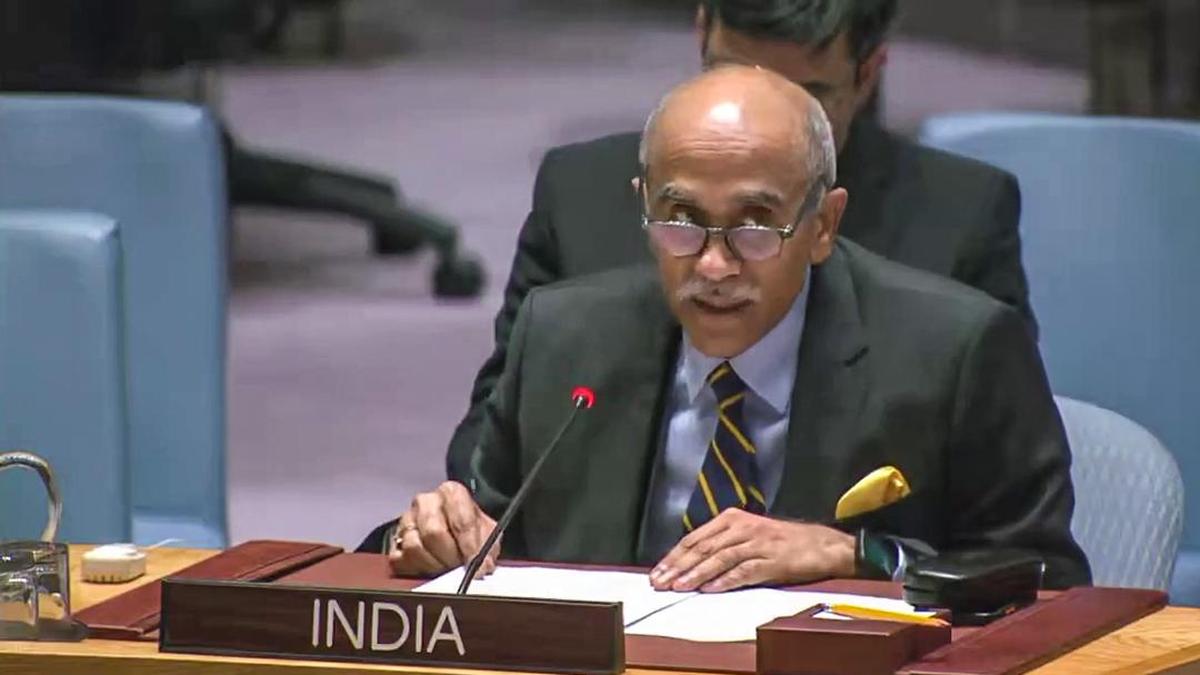
India's UNSC ambassador Harish Parvathaneni highlights how developing countries bear the brunt of food, fuel, fertiliser and energy shortages from global conflicts, urging equitable burden-sharing.
Executive Takeaways
- India's UNSC intervention spotlights the disproportionate economic pain inflicted on developing nations by global conflicts, with food, fuel, fertiliser and energy shortages acting as key transmission channels.
- Supply chain disruptions from conflicts like the Ukraine war have sent shockwaves through global commodity markets, hitting import-dependent economies hardest.
- Multilateral solutions are urgently needed to address inequities in global resource allocation and build resilience against future shocks.
- Investors and businesses must factor in geopolitical risk and supply chain vulnerability, especially in emerging markets, as these dynamics reshape trade flows and investment strategies.
The Core Event & Breaking Timeline
On [date], India's Ambassador to the United Nations, Harish Parvathaneni, addressed a high-level briefing of the UN Security Council (UNSC), delivering a stark message: the costs of global conflicts are not shared equally. Developing countries, he argued, are bearing the brunt of food, fuel, fertiliser and energy shortages caused by conflicts far from their shores. The briefing, convened to discuss the impact of conflict on global food security and energy access, provided a platform for India to highlight the structural inequities in the global economy that amplify the suffering of the world's most vulnerable populations.
Ambassador Parvathaneni's remarks come amid heightened global tensions, including the ongoing war in Ukraine, which has disrupted grain exports and energy supplies, and conflicts in the Middle East and Africa that have further strained supply chains. The UNSC briefing was attended by representatives from member states, UN agencies, and humanitarian organisations, all grappling with the cascading effects of multiple crises. India, which has historically advocated for the interests of the Global South, used the forum to call for a more equitable distribution of resources and a rethinking of global governance mechanisms.
The immediate market reaction was muted, as the UNSC briefing is not a decision-making body on trade matters. However, the underlying issues raised by India resonate deeply with investors and businesses operating in emerging markets. Commodity prices, particularly for wheat, maize, and fertilisers, have been volatile since the onset of the Ukraine conflict, and developing nations have faced soaring import bills and food inflation. The Indian intervention underscores the need for businesses to incorporate geopolitical risk into their strategic planning, especially in sectors reliant on global supply chains.
This is not the first time India has raised the issue of unequal burden-sharing. In recent months, India has repeatedly called for ceasefires and dialogue to resolve conflicts, while also providing humanitarian assistance to affected regions. However, the UNSC address marks a more direct confrontation of the systemic biases that leave developing countries exposed to shocks they did little to cause. As the world becomes increasingly multipolar, such interventions are likely to shape the discourse on global economic governance and could influence future trade and investment flows.
Deep Technical & Financial Architecture
The mechanics of how global conflicts transmit economic shocks to developing countries are complex but well-documented. Food, fuel, fertiliser, and energy are the four critical commodities that form the backbone of any economy. When conflicts disrupt production or trade routes, prices spike, and import-dependent nations face balance-of-payments pressures. For instance, the Ukraine war led to a blockade of Black Sea ports, halting grain exports and sending wheat prices soaring. Developing countries in Africa and Asia, which rely heavily on imported wheat, saw their import bills balloon, straining foreign exchange reserves and exacerbating food insecurity.
Fertiliser shortages have compounded the problem. Natural gas is a key input for nitrogen-based fertilisers, and energy price spikes have made fertiliser production more expensive. Sanctions on major producers like Russia and Belarus further reduced global supply. As a result, fertiliser prices more than doubled in 2022, forcing farmers in developing countries to reduce usage, which in turn lowered crop yields and increased food prices. This vicious cycle has long-term implications for agricultural productivity and rural livelihoods.
Energy shortages are another critical channel. Many developing countries rely on imported oil and gas, and price volatility strains their budgets. The International Energy Agency (IEA) estimates that energy price shocks have cost developing countries hundreds of billions of dollars in additional import costs since 2021. This has forced governments to choose between subsidising energy for consumers and investing in other critical areas like health and education. The fiscal space of these nations is further constrained by high debt levels and limited access to international capital markets.
On the financial side, the balance sheet impact is severe. Developing countries face higher borrowing costs as investors demand risk premiums amid global uncertainty. Currency depreciation against the dollar has made imports even more expensive, while efforts to defend exchange rates have depleted reserves. The IMF has warned that a growing number of low-income countries are at high risk of debt distress. The UN's call for equitable burden-sharing therefore also implies a need for financial mechanisms to help developing countries cope with external shocks, such as the IMF's Resilience and Sustainability Trust or debt relief initiatives.
Technology and innovation can play a role in mitigating these impacts. For example, digital platforms for agricultural extension can help farmers optimise fertiliser use, while renewable energy microgrids can reduce dependence on imported fuels. However, technology transfer and financing remain barriers. India's UNSC statement implicitly calls for a more level playing field in global technology and finance, where developing countries are not merely passive recipients but active participants in shaping solutions.
Industry & Global Market Ripple Effects
The ripple effects of these supply chain disruptions are felt across industries and markets. In the food and beverage sector, companies face higher input costs and supply uncertainty. Multinationals with global supply chains are re-evaluating their sourcing strategies, moving towards regionalisation and diversification to reduce exposure to geopolitical hotspots. For example, some food processors are investing in local production in Africa and Asia to shorten supply chains and hedge against trade disruptions.
In the energy sector, the crisis has accelerated the shift towards renewables. Developing countries are increasingly attractive markets for solar and wind projects, as they seek to reduce import dependence and stabilise energy costs. However, financing remains a challenge, and international investors are cautious about political and currency risks. Multilateral development banks and export credit agencies are stepping in with guarantees and blended finance to de-risk investments.
The fertiliser industry is undergoing a structural shift. High prices have incentivised investments in new production capacity, particularly in regions with access to cheap natural gas, such as the Middle East and North America. However, developing countries lack the resources to build such capacity, and they remain dependent on imports. This has led to calls for technology transfer and joint ventures to help developing nations achieve fertiliser self-sufficiency.
Investors are also taking note. ESG (Environmental, Social, and Governance) considerations are increasingly incorporating food security and supply chain resilience. Sovereign wealth funds and pension funds are allocating capital to sustainable agriculture and renewable energy in emerging markets, recognising both the risks and opportunities. The UNSC briefing serves as a reminder that geopolitical risk is not just a humanitarian concern but a material financial risk that must be priced into investment decisions.
Critical Perspectives, Analyst Debates & Risk Factors
While India's stance resonates with many developing countries, critics argue that the UNSC is not the right forum for addressing economic inequities. Some Western diplomats contend that the Security Council's mandate is peace and security, and that trade and finance issues should be dealt with in other bodies like the WTO or IMF. However, India and its allies counter that conflict and economic hardship are inextricably linked, and that the UNSC must address the root causes of insecurity, including economic marginalisation.
Analysts also debate the effectiveness of multilateral solutions. Some argue that the current global governance architecture is outdated and favours advanced economies. They point to the stalled negotiations on agriculture at the WTO and the slow progress on climate finance as evidence that developing countries' concerns are sidelined. Others believe that incremental reforms, such as increasing the voice of developing countries in international financial institutions, can yield results.
Risk factors abound. A prolonged conflict in Ukraine or an escalation in the Middle East could further disrupt supplies and send prices spiralling. Developing countries with limited fiscal buffers may face social unrest as food and energy subsidies become unsustainable. Currency crises and debt defaults could trigger regional contagion. On the other hand, a coordinated global response, including diplomatic efforts to end conflicts and financial support for vulnerable nations, could mitigate these risks.
For businesses, the key risk is supply chain disruption. Companies that have not diversified their supplier base or built inventory buffers may face production halts and lost revenues. Investors should monitor geopolitical developments closely and stress-test their portfolios for various scenarios. The UNSC briefing is a wake-up call that the era of cheap, reliable global supply chains may be over, and that resilience must be built into every link.
Strategic Forecast & Road Ahead
In the next 12-24 months, expect India and other developing countries to push for concrete actions at the UN and other multilateral forums. This could include proposals for a global fund to help developing countries cope with food and energy shocks, or a mechanism to ensure equitable access to critical supplies. India's G20 presidency in 2023 has already put food security and energy transition on the agenda, and follow-up initiatives are likely.
On the technology front, investments in agricultural innovation, such as drought-resistant crops and precision farming, will accelerate. Digital tools for supply chain transparency and traceability will become more prevalent, helping companies and governments anticipate and respond to disruptions. Blockchain-based platforms for commodity trading could reduce transaction costs and improve access for smallholders.
Financial markets will watch for signs of stress in developing economies. Debt restructuring negotiations, IMF programmes, and currency movements will be key indicators. Investors may increasingly favour companies with localised supply chains and strong ESG credentials. The transition to renewable energy will create opportunities in emerging markets, but financing gaps need to be addressed through innovative instruments like green bonds and blended finance.
Ultimately, the road ahead depends on political will. The UNSC briefing is a step towards raising awareness, but concrete action requires cooperation among major powers. As the world becomes more fragmented, the principles of equity and burden-sharing that India advocates will be tested. Businesses and investors must navigate this landscape with agility and foresight, recognising that the costs of conflict are not shared equally—and neither are the opportunities.



Comments (0)
No comments yet. Be the first to share your thoughts!
Leave a Comment