Andhra SIPB Greenlights ₹88,625 Cr Investments, 54,419 Jobs
Andhra Pradesh's SIPB clears ₹88,625 crore in investment proposals from Kia India, Adani Enterprises, and Balewadi Techpark, promising 54,419 jobs and a major IT boost for Visakhapatnam.
Executive Takeaways
- Record Investment Approval: Andhra Pradesh's State Investment Promotion Board (SIPB) has cleared proposals worth ₹88,625 crore, spanning automotive, renewable energy, and IT sectors.
- Job Creation Potential: The projects are expected to generate 54,419 direct and indirect jobs, with a significant portion in the emerging IT hub of Visakhapatnam.
- Major Players: Kia India, Adani Enterprises, and Balewadi Techpark are among the key investors, signaling confidence in Andhra Pradesh's industrial ecosystem.
- Regional Development: The approvals are set to transform Visakhapatnam into a technology and manufacturing powerhouse, balancing growth beyond traditional hubs like Hyderabad and Bengaluru.
- Economic Impact: The investments are poised to catalyze ancillary industries, boost exports, and enhance skill development in the region.
Section 1: The Core Event & Breaking Timeline
In a move that underscores Andhra Pradesh's growing appeal as an investment destination, the State Investment Promotion Board (SIPB) on Wednesday approved investment proposals totaling ₹88,625 crore. The approvals, granted during a high-level meeting chaired by Chief Minister Y.S. Jagan Mohan Reddy, span multiple sectors including automobile manufacturing, renewable energy, information technology, and infrastructure. The projects are projected to create 54,419 jobs, with a substantial share earmarked for the Visakhapatnam region, which is being positioned as a future IT and innovation hub.
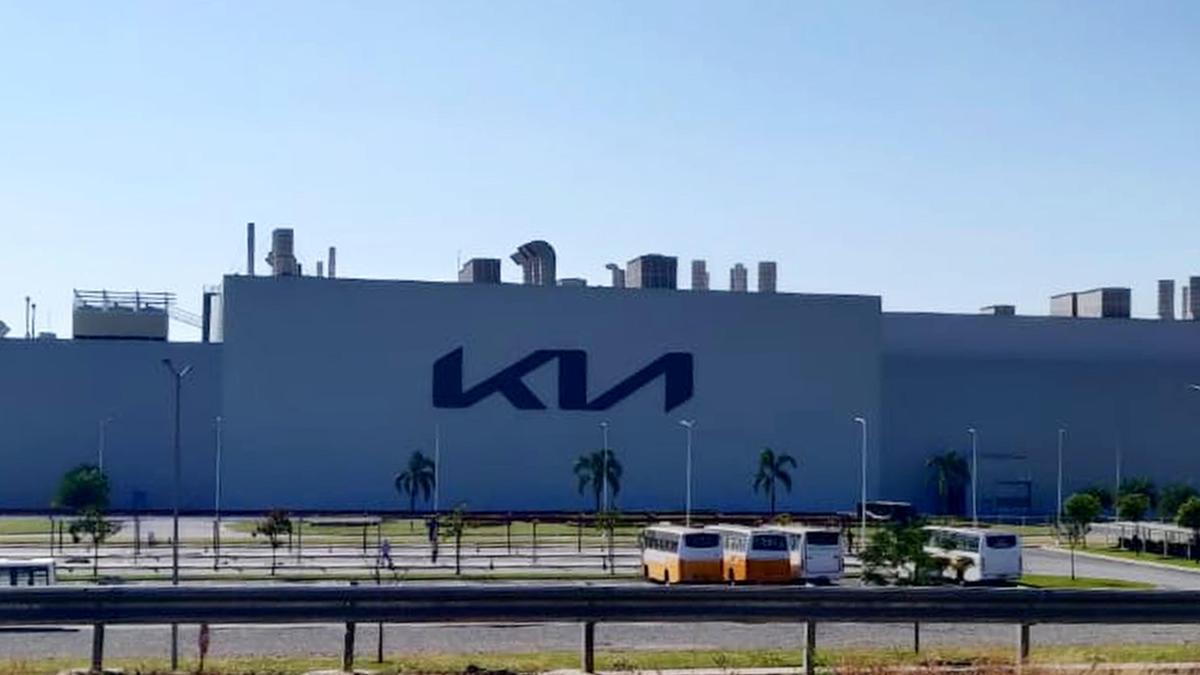
The largest single investment comes from Kia India, which plans to expand its manufacturing footprint in the state with an additional ₹30,000 crore. The automaker, which already operates a facility in Anantapur, aims to ramp up production capacity and introduce electric vehicle manufacturing. Adani Enterprises has proposed investments worth ₹25,000 crore in renewable energy and green hydrogen projects, aligning with India's decarbonization goals. Balewadi Techpark, a Pune-based IT park developer, has committed ₹10,000 crore to develop a sprawling tech campus in Visakhapatnam, which is expected to house leading IT firms and startups.
The SIPB meeting, held in Amaravati, also cleared proposals from several mid-sized companies in sectors such as food processing, pharmaceuticals, and logistics. The approvals are part of the state's 'Ease of Doing Business' initiative, which has streamlined land allocation, single-window clearances, and incentive disbursement. The government has set a target of attracting ₹1 lakh crore in investments by 2025, and the latest approvals are a significant step toward that goal.
Market reaction to the announcement was positive, with analysts noting that the investments could boost the state's GDP by 2-3% over the next five years. However, the actual disbursement of funds and execution of projects will be key to realizing the projected benefits. The state government has promised to monitor the progress of each project through a dedicated investment tracking cell.
Section 2: Deep Technical & Financial Architecture
The financial architecture of these investments reveals a mix of debt and equity financing, with a significant portion expected to come from foreign direct investment (FDI). Kia India's expansion, for instance, will be funded through a combination of internal accruals and parent company Hyundai Motor Group's equity infusion. The automaker's Anantapur plant, which currently produces 3 lakh units annually, will see its capacity doubled to 6 lakh units, with a focus on electric vehicles (EVs). The EV segment is expected to attract additional incentives under the state's EV policy, which offers capital subsidies and tax rebates.
Adani Enterprises' ₹25,000 crore investment is structured around a green hydrogen ecosystem, including a 1 GW electrolyzer manufacturing facility and a 2 GW solar power plant. The project will leverage economies of scale and is expected to achieve a levelized cost of hydrogen (LCOH) of around $2 per kilogram, making it competitive with fossil fuels. The company has secured land in the Kakinada SEZ and is in talks with global technology partners for electrolyzer technology. The financial viability of the project hinges on offtake agreements with refineries and fertilizer plants, which are being negotiated.
Balewadi Techpark's ₹10,000 crore IT campus in Visakhapatnam will be developed in three phases over five years. The project will include 5 million square feet of office space, a startup incubator, and residential facilities for 20,000 employees. The funding will be a mix of equity from Balewadi's promoters and debt from a consortium of banks led by SBI. The project's unit economics are based on a lease rental model, with expected yields of 8-9% per annum. The developer is targeting tenants from the BFSI, healthcare, and e-commerce sectors.
The state government's fiscal incentives include a 15-year tax holiday for mega projects, subsidized power at ₹4 per unit, and reimbursement of stamp duty. These incentives are expected to cost the exchequer around ₹5,000 crore over five years but are deemed necessary to attract anchor investors. The SIPB has also mandated that 70% of jobs in these projects be reserved for locals, with skill development programs to be funded by the companies.
From a balance sheet perspective, the investments will significantly increase the state's industrial output and tax revenues. However, the state's debt-to-GDP ratio, currently at 32%, could come under pressure if the incentives are not offset by revenue generation. The government is banking on the multiplier effect, with each rupee invested expected to generate ₹3 in economic activity.
Section 3: Industry & Global Market Ripple Effects
The approvals are set to reshape Andhra Pradesh's industrial landscape and have ripple effects across India's automotive and renewable energy sectors. Kia's expansion will intensify competition in the EV market, where players like Tata Motors, Mahindra & Mahindra, and MG Motor are already jostling for market share. Kia's focus on affordable EVs could disrupt the pricing dynamics, forcing competitors to accelerate their EV roadmaps. The automaker's Anantapur plant is also expected to become an export hub, with shipments to Southeast Asia and Africa.
Adani's green hydrogen project positions Andhra Pradesh as a key player in India's National Green Hydrogen Mission, which aims to produce 5 million tonnes of green hydrogen annually by 2030. The project will create a demand for electrolyzers, compressors, and storage solutions, benefiting ancillary industries. It also aligns with global trends, as countries like Germany and Japan seek to import green hydrogen to meet their climate targets. Adani's project could potentially tap into export markets, although transportation costs remain a challenge.
Balewadi Techpark's IT campus in Visakhapatnam will create a new tech cluster, reducing the dominance of Bengaluru and Hyderabad. The campus is expected to attract global capability centers (GCCs) of Fortune 500 companies, which are increasingly looking beyond tier-1 cities for cost advantages. Visakhapatnam's strategic location, with a port and international airport, makes it an attractive destination for IT exports. The project could also spur the growth of startups in fintech, healthtech, and agritech, leveraging local talent from Andhra University and IIT Visakhapatnam.
The investments are likely to have a positive impact on the state's real estate sector, with demand for residential and commercial properties expected to surge in Visakhapatnam and Anantapur. However, the influx of workers could strain urban infrastructure, necessitating investments in housing, transportation, and utilities. The state government has announced plans to develop satellite townships around the industrial corridors to mitigate this pressure.
Section 4: Critical Perspectives, Analyst Debates & Risk Factors
While the announcements have been welcomed, analysts caution that the devil lies in the details. The projected job numbers are often based on optimistic assumptions, and actual employment generation may fall short. For instance, Kia's highly automated plant may create fewer direct jobs than anticipated, with most employment generated indirectly through suppliers. Similarly, Adani's green hydrogen project is capital-intensive and may not be a large employer.
Land acquisition remains a contentious issue. Although the government claims to have secured land banks, local resistance and litigation could delay projects. The Visakhapatnam IT park, in particular, requires 500 acres of land, and farmers in the region have protested against acquisition. The government's land pooling model, which offers annuities to landowners, has seen mixed success in the past.
Environmental concerns also loom large. Adani's green hydrogen project, while clean, requires significant water for electrolysis, and the region is already water-stressed. The project's carbon footprint could be higher if the electricity used is not entirely renewable. Kia's expansion will increase water and energy consumption, and the company will need to adhere to strict environmental norms.
From a fiscal standpoint, the incentives offered to these companies could strain the state's finances. Andhra Pradesh's revenues have been impacted by the COVID-19 pandemic and the bifurcation with Telangana. The state's ability to fund infrastructure and skill development programs without increasing debt will be tested. Some analysts argue that the incentives are too generous and may not yield commensurate benefits.
There is also a debate on the inclusivity of these investments. Critics point out that the benefits may be concentrated in a few districts, exacerbating regional disparities. The government needs to ensure that the investments percolate to the backward regions of Rayalaseema and North Coastal Andhra.
Section 5: Strategic Forecast & Road Ahead
Over the next 12-24 months, the focus will shift to execution. Kia is expected to break ground on its expansion in the next quarter, with production of EVs slated to begin by 2025. The company will need to navigate supply chain challenges, including semiconductor shortages and battery sourcing. Adani's green hydrogen project is in the pre-construction phase, with a target to commission the first phase by 2026. The company is in talks with global technology providers and is expected to finalize partnerships soon.
Balewadi Techpark will commence construction of its first phase in Visakhapatnam by early 2024, with the first buildings ready for occupancy by 2025. The developer is in advanced talks with three Fortune 500 companies for anchor tenants. The state government will need to expedite approvals and ensure that infrastructure like roads, power, and water is in place.
Upcoming milestones include the signing of MoUs with technology partners, financial closures, and the commencement of construction. The SIPB will review progress quarterly, and any delays could impact the overall investment climate. The state government is also planning a global investors' summit in early 2024 to showcase these projects and attract more investments.
What to watch: The actual disbursement of funds, job creation numbers, and the state's ability to manage the environmental and social impacts. The success of these projects will determine whether Andhra Pradesh can replicate the success of Gujarat and Maharashtra in attracting large-scale investments. If executed well, these investments could transform the state's economy and create a blueprint for sustainable industrialization.




Comments (0)
No comments yet. Be the first to share your thoughts!
Leave a Comment