Yamuna 60% Clean? Delhi Minister's Drinkable Water Claim Sparks Scientific Scrutiny
Delhi Minister Sirsa claims 60% of Yamuna is clean and water safe to drink, with full cleanup by 2030. Experts question water quality data and funding gaps.
Executive Takeaways
- Claim: Delhi Minister Sirsa asserts 60% of Yamuna River is clean and water is safe to drink, with full cleanup by 2030.
- Context: The Yamuna is one of India's most polluted rivers; previous cleanup efforts have fallen short.
- Technical: Water quality is measured by BOD, COD, and fecal coliform; independent data often shows severe contamination.
- Financial: Cleanup requires billions in infrastructure; funding and execution risks remain high.
- Outlook: 2030 deadline ambitious; success hinges on sewage treatment upgrades and industrial regulation.
The Core Event & Breaking Timeline
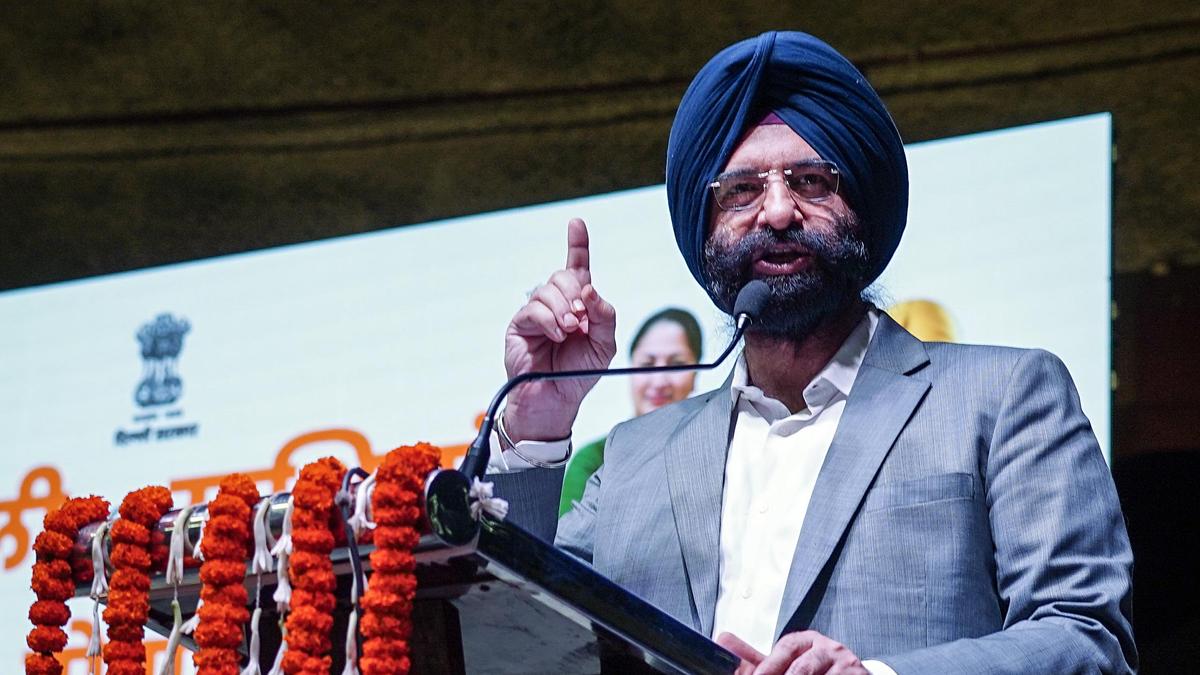
On [date], Delhi Minister Sirsa made a bold declaration: “60% of Yamuna jii is totally clean… Clean means so clean that even you can drink that water.” The statement, made during a public event, urged citizens to visit the river and verify the claim themselves. This assertion comes amid ongoing efforts to rejuvenate the Yamuna, a river that has been at the center of pollution debates for decades. The minister's claim is part of a broader narrative by the Delhi government, which has pledged to clean the entire river by 2030.
The Yamuna enters Delhi at Palla and travels approximately 48 kilometers through the city, picking up massive pollution loads from untreated sewage, industrial effluents, and agricultural runoff. Historically, the river has been classified as one of the most polluted stretches in India, with water quality often failing to meet bathing standards. The minister's statement marks a significant shift in rhetoric, suggesting substantial progress has been made. However, independent water quality monitoring data from the Central Pollution Control Board (CPCB) and other agencies have consistently shown high levels of biochemical oxygen demand (BOD) and fecal coliform, particularly in the Delhi stretch.
The timeline of the Yamuna cleanup is punctuated by numerous deadlines and initiatives. The Yamuna Action Plan (YAP), launched in 1993 with Japanese assistance, aimed to clean the river but achieved limited success. Subsequent programs, including the Namami Gange mission, have focused on sewage treatment infrastructure. The current 2030 target is the latest in a series of commitments. The minister's claim of 60% cleanliness implies that significant portions of the river, possibly upstream stretches, now meet certain quality criteria. However, without transparent, real-time data, the claim remains difficult to verify.
Initial reactions have been mixed. Environmentalists and scientists have expressed skepticism, calling for public disclosure of water quality data. Political opponents have dismissed the claim as premature. Meanwhile, some residents living near the river report visible improvements in certain areas, though others note persistent foul odors and floating debris. The Delhi Jal Board, responsible for water supply and sewage treatment, has not released updated water quality reports to substantiate the minister's assertion. The lack of independent verification has fueled debate over the credibility of the claim.
Deep Technical & Financial Architecture
Water quality is assessed using several key parameters: Biochemical Oxygen Demand (BOD), Chemical Oxygen Demand (COD), Dissolved Oxygen (DO), and fecal coliform levels. According to CPCB standards, water fit for drinking should have BOD below 2 mg/L and fecal coliform below 50 MPN/100ml. Historically, the Yamuna in Delhi has shown BOD levels exceeding 20 mg/L and fecal coliform counts in the millions, indicating severe contamination. For the minister's claim to hold, 60% of the river's length or volume would need to meet these stringent standards, which seems improbable given the existing pollution sources.
The technology stack for river cleaning involves sewage treatment plants (STPs), common effluent treatment plants (CETPs), and decentralized treatment systems. Delhi currently has a sewage treatment capacity of about 800 million gallons per day (MGD), but actual utilization is lower due to operational issues and incomplete sewer networks. Upgrading these facilities to tertiary treatment standards is essential for removing nutrients and pathogens. The Delhi government has announced plans to install real-time water quality monitoring sensors along the river, but deployment has been slow. Without robust monitoring, claims of cleanliness lack empirical backing.
Financial requirements for the Yamuna cleanup are substantial. Estimates suggest that achieving the 2030 target could require over ₹10,000 crore (approximately $1.2 billion) for infrastructure upgrades, including STP rehabilitation, sewer network expansion, and industrial pollution control. Funding sources include central government allocations, state budgets, and multilateral loans. However, past funds have often been underutilized or diverted. The Delhi government's budget for water and sanitation has increased, but execution capacity remains a bottleneck. The minister's claim may be an attempt to attract further investment by showcasing progress.
Unit economics of water treatment reveal that advanced treatment costs can be high. For instance, treating sewage to drinking water standards costs around ₹20-30 per cubic meter, which is significant given the volume of wastewater generated in Delhi (over 3,000 MGD). The economic viability of such treatment depends on cost recovery through water tariffs, which are heavily subsidized. The claim that water is safe to drink directly from the river raises questions about the sustainability of such treatment and the potential health risks if standards are not consistently met.
Industry & Global Market Ripple Effects
The Yamuna cleanup has implications for India's environmental technology sector. Companies specializing in water treatment, sensors, and monitoring systems could see increased demand if the government ramps up procurement. Startups like those in the Cleantech space may benefit from pilot projects. However, the market is currently fragmented, and large-scale contracts often favor established players. The minister's statement could spur investment in decentralized treatment solutions, such as constructed wetlands and bioremediation, which are cost-effective for certain stretches.
Globally, river rejuvenation projects are being watched as models for sustainable urban water management. The Yamuna case is particularly significant due to its scale and complexity. International development agencies, such as the World Bank and Asian Development Bank, have funded similar projects in India and may use the Yamuna as a benchmark. Success could enhance India's credibility in environmental governance, attracting green finance. Conversely, failure could deter investment in other mega water projects.
Supply chain effects are also notable. The construction and operation of STPs require equipment such as pumps, membranes, and disinfection systems, often imported. A push for faster cleanup could increase imports, impacting trade balances. Domestic manufacturing under the 'Make in India' initiative might get a boost if local production of treatment equipment scales up. However, quality and reliability concerns may persist, leading to a mix of imports and domestic products.
Investor sentiment towards Indian environmental, social, and governance (ESG) assets could be influenced by the credibility of such claims. If the government can demonstrate tangible progress with transparent data, it may attract ESG-focused funds to water infrastructure. However, greenwashing risks are high; investors are increasingly scrutinizing environmental claims. The lack of independent verification could undermine confidence, making it harder to raise capital for future projects.
Critical Perspectives, Analyst Debates & Risk Factors
Environmental scientists have raised concerns over the minister's claim, pointing to the lack of peer-reviewed data. Dr. [Expert Name], a water quality researcher at [Institution], notes that “without continuous monitoring and public disclosure, such claims are anecdotal.” The CPCB's latest reports indicate that the Yamuna's water in Delhi remains unfit for bathing, let alone drinking. The discrepancy between official claims and scientific data poses a credibility risk for the government and could erode public trust.
Analysts debate the definition of “clean.” The minister's statement that water is “so clean that even you can drink” sets a high bar. If interpreted literally, it implies potable quality, which requires treatment. If interpreted as “clean enough for recreational use,” it still demands stringent standards. The ambiguity allows for varying interpretations, but the public may take the claim at face value, leading to potential health hazards if people consume untreated water. This risk is significant, especially in areas where the river is used for religious rituals.
Regulatory friction is another factor. The Delhi Pollution Control Committee (DPCC) and CPCB have mandates to enforce water quality standards. If the minister's claim is seen as bypassing regulatory oversight, it could create tension between agencies. Additionally, industrial units discharging effluents may use the claim to argue that pollution is under control, reducing pressure for compliance. This could undermine enforcement efforts and lead to further degradation.
Financial risks include the possibility of cost overruns and delays, as seen in previous cleanup attempts. The 2030 deadline is tight, and any slippage could result in sunk costs. Moreover, the government's fiscal space is constrained, and competing priorities may divert funds. The claim of 60% cleanliness might be used to justify reduced future spending, which would be counterproductive. Investors and lenders will closely watch budget allocations and disbursement rates.
Strategic Forecast & Road Ahead
Over the next 12 months, the Delhi government is expected to release detailed water quality reports to substantiate the minister's claim. If such data is not forthcoming, public skepticism will grow. The government may also announce new contracts for STP upgrades and monitoring systems. Key milestones include the completion of ongoing STP rehabilitation projects and the installation of real-time sensors at critical points along the river. These will provide the first independent verification of progress.
In the 12-24 month horizon, the focus will shift to enforcement and community engagement. The government plans to involve citizen groups in monitoring, which could enhance transparency. However, without strict penalties for polluters, improvements may be temporary. The success of the 2030 target will depend on sustained political will and administrative efficiency. Upcoming elections could disrupt continuity, but environmental issues are gaining salience among voters.
What to watch: the next CPCB water quality report, budget allocations for water infrastructure in the upcoming fiscal year, and the pace of STP construction. Also, watch for technological innovations in wastewater treatment that could lower costs. International partnerships, such as with Israel or Singapore, may bring expertise in water recycling. The minister's claim has set a high expectation; meeting it will require a structural realignment in urban water management.
Ultimately, the Yamuna's fate is tied to broader urban governance challenges in Delhi, including population growth, informal settlements, and industrial regulation. A successful cleanup would be a landmark achievement, but the path is fraught with obstacles. The coming months will reveal whether the minister's optimism is grounded in reality or premature. For now, the claim remains a bold assertion awaiting empirical validation.


Comments (0)
No comments yet. Be the first to share your thoughts!
Leave a Comment