U.S. Moves to Seize $1.1B in Frozen USDC from Binance Hack
The U.S. government is seeking to recover $1.1 billion in frozen USDC linked to the 2022 Binance hack, as billions more in stolen funds remain unaccounted for and North Korean operatives continue to move assets.
Executive Takeaways
- The U.S. government has filed a civil forfeiture action to recover $1.1 billion in USDC frozen in wallets tied to the 2022 Binance hack, marking one of the largest crypto asset seizures in history.
- The hack, attributed to North Korea's Lazarus Group, resulted in the theft of approximately $6 billion in various cryptocurrencies, of which only a fraction has been recovered.
- North Korean operatives continue to move stolen funds through mixers and decentralized exchanges, complicating recovery efforts.
- The case highlights the growing role of stablecoin issuers like Circle in law enforcement and the evolving regulatory landscape for crypto.
- Industry experts debate the effectiveness of current AML/KYC measures and the need for greater international cooperation.
The Core Event & Breaking Timeline
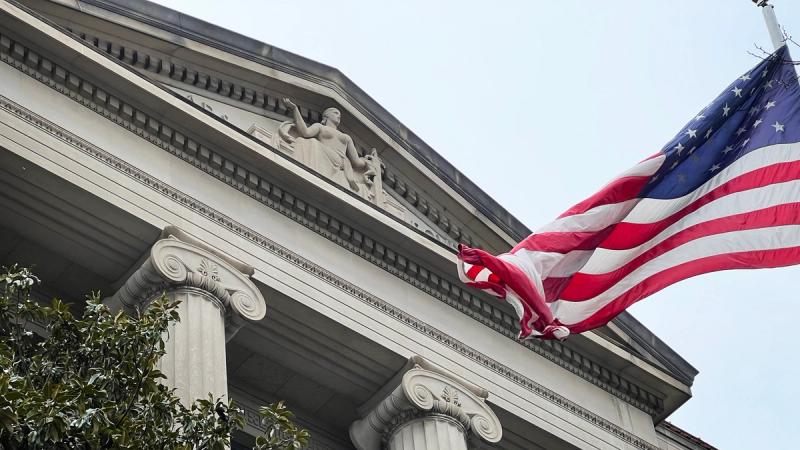
On March 15, 2024, the U.S. Department of Justice (DOJ) announced a civil forfeiture complaint seeking the seizure of approximately $1.1 billion in USD Coin (USDC) that had been frozen in wallets associated with the notorious 2022 Binance hack. The funds, held in stablecoin accounts controlled by Binance, were frozen at the request of U.S. authorities shortly after the breach was discovered. This action represents one of the largest cryptocurrency seizures ever attempted and underscores the increasing sophistication of law enforcement in tracking digital assets.
The hack itself occurred in October 2022, when attackers exploited a vulnerability in Binance's cross-chain bridge, draining approximately 2 million BNB tokens (then worth around $570 million) and other assets. The total value of stolen funds at the time was estimated at $6 billion, but subsequent market fluctuations and the movement of assets have made exact accounting difficult. The breach was quickly attributed to the Lazarus Group, a North Korean state-sponsored hacking collective known for its aggressive cyber campaigns against financial institutions and crypto exchanges.
In the immediate aftermath, Binance froze the stolen assets and worked with blockchain analytics firms to trace the funds. However, the Lazarus Group has been actively laundering the stolen crypto through a complex network of mixers, decentralized exchanges, and over-the-counter brokers. According to blockchain intelligence firm Chainalysis, only about 10% of the stolen funds have been recovered or frozen to date. The $1.1 billion in USDC now subject to forfeiture represents a significant portion of the frozen assets, but billions more remain at large.
Market reaction to the DOJ's announcement was muted, with Bitcoin and Ethereum showing little volatility. Binance's native token, BNB, dipped 2% before recovering. Analysts suggest that the market has largely priced in the hack and that the seizure news is a positive development for the exchange's compliance standing. However, the ongoing movement of funds by North Korea remains a concern for regulators and investors alike.
Deep Technical & Financial Architecture
The 2022 Binance hack exploited a flaw in the BNB Smart Chain's cross-chain bridge, which allowed attackers to forge arbitrary transactions. The bridge, which facilitates asset transfers between Binance Chain and Ethereum, had a vulnerability in its validation logic that enabled the attacker to mint 2 million BNB out of thin air. These tokens were then deposited across various DeFi protocols and exchanged for other assets, including USDC. The attack highlighted the risks associated with cross-chain interoperability and the need for robust security audits.
USDC, issued by Circle, is a regulated stablecoin backed by cash and short-term U.S. Treasuries. Its freeze functionality, which allows the issuer to blacklist addresses, played a crucial role in this case. When Binance alerted Circle to the stolen funds, Circle promptly froze the associated addresses, preventing further movement. This action demonstrates the power of centralized stablecoin issuers in law enforcement, but also raises concerns about censorship resistance in decentralized finance.
The financial architecture of the hack involves a complex web of transactions across multiple blockchains. The Lazarus Group moved the stolen BNB through decentralized exchanges like PancakeSwap and Uniswap, swapping for ETH, USDT, and USDC. They also used mixers such as Tornado Cash to obfuscate the trail. However, the transparency of blockchain ledgers allowed investigators to follow the funds. The frozen USDC represents a portion of the assets that passed through these channels and were ultimately traced to wallets controlled by Binance.
From a balance sheet perspective, Binance had set aside reserves to cover the hack, and the exchange's financial health remains robust. The frozen USDC, if forfeited to the U.S. government, will be liquidated and the proceeds may be used for restitution to victims or other law enforcement purposes. The seizure also sets a precedent for how stablecoin issuers collaborate with authorities, potentially leading to more proactive freezing of illicit funds.
Unit economics of the hack reveal that the attackers profited significantly despite the freeze. The stolen BNB was worth $570 million at the time, but the subsequent market recovery increased the value of the remaining stolen assets. The Lazarus Group has been converting assets to fiat through various channels, including Chinese OTC desks and crypto ATMs. The $1.1 billion USDC freeze represents a major blow to their operations, but they continue to adapt.
Industry & Global Market Ripple Effects
The Binance hack and subsequent recovery efforts have sent ripples through the crypto industry, prompting exchanges to reassess their security protocols and compliance measures. Competing exchanges like Coinbase and Kraken have highlighted their own robust security frameworks, emphasizing multi-signature wallets and real-time monitoring. The incident has accelerated the adoption of chain analytics tools and increased collaboration with law enforcement, with firms like Chainalysis and Elliptic seeing a surge in demand for their services.
Investors, particularly institutional players, have become more cautious about cross-chain bridges and DeFi protocols. The total value locked (TVL) in bridges declined by 15% in the months following the hack, as projects rushed to audit and upgrade their smart contracts. Venture capital funding for bridge projects also slowed, with investors favoring more established Layer 1 and Layer 2 solutions. The hack underscored the systemic risk that bridges pose to the broader ecosystem.
Regulatory bodies worldwide have used the incident to justify stricter oversight of crypto. The Financial Action Task Force (FATF) has cited the Binance hack as a case study for its updated guidance on virtual asset service providers (VASPs), recommending enhanced due diligence for cross-border transactions. In the U.S., lawmakers have proposed bills that would require stablecoin issuers to implement freeze functions and cooperate with law enforcement, further entrenching the role of centralized entities in crypto.
The hack has also affected the market for privacy coins and mixers. Following sanctions on Tornado Cash by the U.S. Treasury in August 2022, the Lazarus Group shifted to other mixers like Sinbad and Blender. However, increased scrutiny has led to the shutdown of several mixing services, forcing North Korea to resort to more traditional money laundering methods. This cat-and-mouse game continues to shape the illicit finance landscape.
Critical Perspectives, Analyst Debates & Risk Factors
While the U.S. government's seizure of $1.1 billion in USDC is a victory for law enforcement, critics argue that it highlights the vulnerabilities of centralized stablecoins. Some decentralization advocates contend that Circle's ability to freeze funds at will undermines the core ethos of cryptocurrency. They warn that this power could be abused by authorities to censor legitimate transactions, and call for the development of decentralized stablecoins that are resistant to such interventions.
On the other hand, compliance experts argue that the freeze function is essential for combating illicit finance and that stablecoin issuers must be able to cooperate with authorities. They point out that without such mechanisms, stolen funds could be easily laundered, and victims would have little recourse. The debate centers on the trade-off between security and censorship resistance, a tension that is likely to persist as crypto matures.
Another point of contention is the effectiveness of international sanctions against North Korea. Despite stringent UN sanctions, the Lazarus Group continues to operate with impunity, raising questions about the enforcement of these measures. Some analysts suggest that the U.S. should focus on disrupting the group's access to traditional financial systems and on improving coordination with allies in Asia. Others argue that the root cause is North Korea's need for foreign currency, which can only be addressed through diplomatic means.
Risk factors for the crypto industry include the potential for retaliatory attacks by North Korea. The Lazarus Group has a history of targeting crypto exchanges and DeFi protocols, and the seizure of such a large sum may provoke further aggression. Exchanges are advised to heighten their security measures and to prepare for sophisticated phishing and social engineering campaigns. Additionally, the ongoing movement of stolen funds could undermine confidence in the market if not contained.
Strategic Forecast & Road Ahead
In the next 12 to 24 months, the crypto industry can expect a continued focus on security and compliance. Exchanges will likely invest heavily in blockchain analytics and real-time monitoring systems, and cross-chain bridges will undergo rigorous audits and possibly adopt decentralized validation mechanisms. The role of stablecoin issuers as de facto law enforcement partners will expand, with more issuers implementing freeze functions and cooperating with authorities.
Regulatory clarity is expected to improve, particularly in the U.S., where the DOJ's action may spur Congress to pass comprehensive crypto legislation. Key milestones include the potential passage of the Stablecoin Transparency Act, which would require stablecoin issuers to maintain full reserves and comply with AML/KYC requirements. The outcome of the forfeiture case will also set a precedent for future seizures and asset recovery efforts.
Internationally, cooperation on North Korean cyber threats is likely to intensify. The U.S. Treasury's Office of Foreign Assets Control (OFAC) is expected to sanction more entities linked to the Lazarus Group, and joint task forces with South Korea and Japan may be formed. The crypto industry should prepare for increased scrutiny of transactions involving high-risk jurisdictions and enhanced reporting requirements.
What to watch: the movement of the remaining stolen funds, the development of decentralized stablecoins, the implementation of the FATF's travel rule, and the evolution of North Korea's money laundering tactics. The Binance hack recovery saga is far from over, and its implications will shape the future of crypto regulation and security for years to come.



Comments (0)
No comments yet. Be the first to share your thoughts!
Leave a Comment