UAPA's Vague Bail Laws Keep Activists Behind Bars for Years Without Trial
The Unlawful Activities (Prevention) Act (UAPA) has come under renewed scrutiny for its vague provisions, stringent bail conditions, and inconsistent judicial interpretations, which have led to the prolonged imprisonment of activists, scholars, and journalists without trial. The case of Prof. G.N. Saibaba, who was recently acquitted after years in prison, exemplifies the urgent need for legal reform to uphold civil liberties and the rule of law.
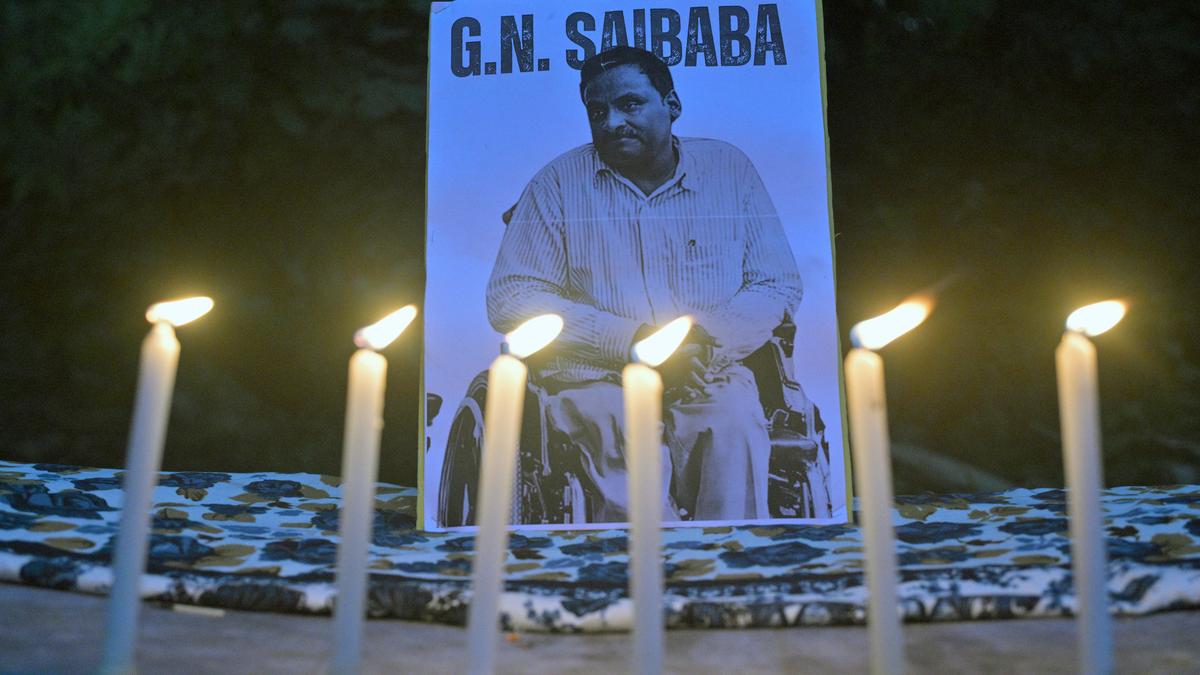
The Unlawful Activities (Prevention) Act (UAPA) is facing renewed calls for reform after the prolonged imprisonment of activists, scholars, and journalists without trial. The case of Prof. G.N. Saibaba, who was acquitted by the Bombay High Court in March 2024 after spending nearly a decade in prison, has become a symbol of the law's harsh bail provisions and inconsistent judicial interpretations. Critics argue that UAPA's vague definitions of 'unlawful activity' and 'membership in a terrorist organization' allow for arbitrary arrests and deny due process, undermining civil liberties and the rule of law in India.
UAPA, enacted in 1967 and amended several times, imposes stringent bail conditions that require the accused to prove they are not guilty, a reversal of the presumption of innocence. According to legal experts, the law has been used disproportionately against marginalized communities, activists, and journalists. Data from the National Crime Records Bureau shows that between 2016 and 2020, over 90% of those arrested under UAPA were still awaiting trial. Prof. Saibaba's case, where he was convicted based on questionable evidence and later acquitted, highlights the human cost of such prolonged detention. 'The UAPA has become a tool to silence dissent,' said a Supreme Court lawyer, speaking on condition of anonymity.
The implications of UAPA's misuse extend beyond individual cases, eroding public trust in the judiciary and stifling democratic dissent. International human rights organizations, including Amnesty International and Human Rights Watch, have repeatedly condemned India's use of UAPA, calling for its repeal or significant reform. In response to growing pressure, some Indian lawmakers have proposed amendments to introduce stricter safeguards, such as time-bound trials and clearer definitions of offenses. However, with the government defending the law as essential for national security, the path to reform remains uncertain. The next steps likely involve continued legal challenges and advocacy campaigns to push for legislative changes that balance security concerns with fundamental rights.


Comments (0)
No comments yet. Be the first to share your thoughts!
Leave a Comment