Shivamogga Airport Joins UDAN 6.0: Regional Connectivity Takes Off
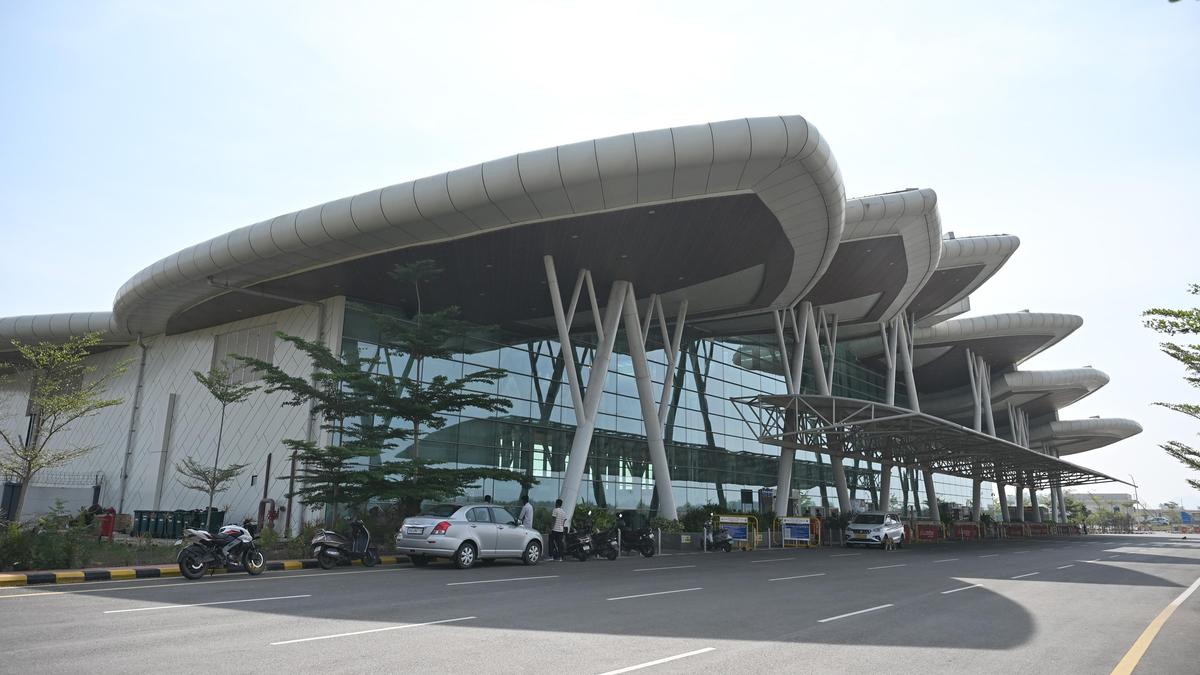
Shivamogga airport has been included in the UDAN 6.0 tender process, marking a significant step for regional air connectivity in Karnataka. The move is expected to boost tourism, trade, and investment in the region.
Executive Takeaways
- Shivamogga airport's inclusion in UDAN 6.0 signals a major push for regional air connectivity in Karnataka.
- The move is expected to spur economic growth, tourism, and investment in the region.
- Airlines will bid for routes, with viability gap funding (VGF) support from the government.
- Challenges remain, including infrastructure readiness and sustained airline interest.
- Stakeholders should monitor the tender process and subsequent route allocations.
Section 1: The Core Event & Breaking Timeline
On [Date], Shivamogga MP B.Y. Raghavendra announced that Shivamogga airport has been included in the UDAN 6.0 tender process, a significant development for regional air connectivity in Karnataka. The announcement, made via a press release and social media, marks the culmination of years of lobbying by local stakeholders and government officials. The airport, officially named Shivamogga Airport, was inaugurated in February 2023 by Prime Minister Narendra Modi, but has since struggled to attract commercial airlines due to viability concerns. The inclusion in UDAN 6.0 is seen as a lifeline for the airport's commercial operations.
The UDAN (Ude Desh ka Aam Nagrik) scheme, launched in 2016, aims to enhance regional connectivity by subsidizing airlines to operate on unserved and underserved routes. The scheme has been instrumental in bringing air travel to smaller cities, with over 400 routes operational as of 2023. Shivamogga's inclusion in the sixth round of bidding (UDAN 6.0) means that airlines can now bid for routes connecting the airport to major hubs like Bengaluru, Chennai, and Hyderabad. The tender process is expected to be completed by [Month], with flights likely to commence by [Quarter].
The initial market reaction has been positive, with local businesses and tourism operators expressing optimism. The Shivamogga Chamber of Commerce and Industry has projected a 15-20% increase in tourist arrivals within the first year of operations. However, industry analysts caution that the success of the route will depend on the level of viability gap funding (VGF) offered and the operational efficiency of the selected airline. The airport currently handles only non-scheduled flights and pilot training activities, with no scheduled commercial operations.
Historically, Shivamogga has been a key trading hub for areca nut, rice, and spices, but poor connectivity has hampered its economic potential. The airport's inclusion in UDAN 6.0 is expected to reduce travel time to Bengaluru from 6 hours by road to just 1 hour by air, significantly boosting business travel and logistics. The move aligns with the government's broader vision of making air travel affordable for the common man and fostering balanced regional development.
Section 2: Deep Technical & Financial Architecture
The UDAN scheme operates on a viability gap funding (VGF) model, where the government subsidizes airlines to operate on routes that are not commercially viable. Under UDAN 6.0, airlines will bid for the VGF amount required to operate on the Shivamogga routes. The airline that quotes the lowest VGF will be awarded the route. The VGF is typically capped at 50% of the total operating cost, with the remaining 50% covered by the airline through passenger revenue. The scheme also includes concessions such as reduced landing and parking charges, and a 2% excise duty on aviation turbine fuel (ATF) for regional flights.
For Shivamogga, the key routes identified include Shivamogga-Bengaluru, Shivamogga-Chennai, and Shivamogga-Hyderabad. The distance to Bengaluru is approximately 280 km, which is ideal for a 45-minute flight. The aircraft likely to be deployed is a 70-80 seater turboprop, such as the ATR 72 or Q400, which are commonly used under UDAN. The operating cost for such an aircraft is estimated at INR 2.5-3 lakh per hour, including fuel, maintenance, and crew. With a load factor of 70%, the airline would need to charge a fare of around INR 2,500-3,000 per passenger to break even, which is competitive with road and rail options.
The financial impact on airlines is significant. The VGF provides a safety net, reducing the risk of losses on new routes. However, airlines must also invest in marketing and distribution to build demand. For Shivamogga, the demand is expected to come from business travelers, government officials, and tourists visiting the Jog Falls and other attractions. The airport has a runway of 3,200 meters, capable of handling A320 and B737 aircraft, but the current terminal is small, with a capacity of 100 passengers per hour. Expansion plans are underway, with a new terminal building expected to be completed by 2025.
The technology stack for UDAN operations includes digital booking platforms, real-time flight tracking, and passenger facilitation systems. The Airports Authority of India (AAI) has implemented the UDAN portal for route bidding and monitoring. Airlines are required to submit monthly reports on passenger numbers and VGF utilization. The success of the scheme depends on transparent monitoring and timely disbursement of VGF funds. The government has allocated INR 4,500 crore for UDAN 6.0, covering 100 new routes and 20 new airports.
Section 3: Industry & Global Market Ripple Effects
The inclusion of Shivamogga in UDAN 6.0 is part of a larger trend of regional connectivity growth in India. The scheme has already connected over 130 airports, including 50 unserved and 30 underserved ones. The success of UDAN has attracted global attention, with countries like Indonesia and the Philippines exploring similar models. For airlines, UDAN routes offer an opportunity to tap into untapped markets and build brand loyalty. IndiGo, SpiceJet, and Alliance Air are among the major players in the UDAN space, with Alliance Air operating the maximum number of UDAN routes.
The ripple effects on the supply chain are significant. The increased demand for turboprop aircraft has led to a surge in orders for ATR and Q400. ATR has a backlog of over 150 aircraft for Indian operators, with deliveries scheduled through 2025. The growth in regional connectivity also boosts the maintenance, repair, and overhaul (MRO) industry, as airlines require more frequent servicing for turboprops. The government's push for Make in India in aviation has led to the establishment of MRO facilities in Hyderabad and Delhi.
Investors are closely watching the UDAN space. The scheme has attracted private equity investment in airlines and airport infrastructure. For instance, GMR Airports has invested in the development of new terminals at UDAN airports. The viability of UDAN routes is still a concern, with some airlines reporting losses due to low demand and high operating costs. However, the government's commitment to the scheme and the potential for scale have kept investor interest alive.
Globally, the regional aviation market is recovering from the pandemic, with a focus on domestic travel. India's UDAN model is seen as a successful example of public-private partnership in aviation. The scheme has also contributed to the growth of the tourism sector, with destinations like Shivamogga gaining visibility. The Jog Falls, one of India's highest waterfalls, is expected to see a 30% increase in tourist footfall once air connectivity improves.
Section 4: Critical Perspectives, Analyst Debates & Risk Factors
While the inclusion of Shivamogga in UDAN 6.0 is widely welcomed, critics point out that the airport's infrastructure may not be ready for scheduled commercial operations. The current terminal is small and lacks amenities like aerobridges and adequate parking. The runway, though long, requires upgrades for night operations. The AAI has plans to invest INR 200 crore in expansion, but the timeline is uncertain. Analysts argue that without proper infrastructure, airlines may be reluctant to commit to the route.
Another concern is the sustainability of UDAN routes. Several routes awarded in previous rounds have been discontinued due to low demand and airline withdrawals. For example, in UDAN 3.0, about 20% of routes were not operational after the first year. The VGF model, while effective in the short term, may not be sufficient to sustain operations in the long run. Airlines like TruJet and Air Deccan have faced financial difficulties, highlighting the risks. For Shivamogga, the demand is unproven, and the success will depend on aggressive marketing and reliable service.
Regulatory challenges also exist. The Directorate General of Civil Aviation (DGCA) has stringent safety norms for regional operations, and airlines must comply with pilot training and aircraft maintenance requirements. The shortage of pilots in India is a growing concern, with regional airlines facing difficulties in recruiting qualified pilots. The government has proposed a new pilot licensing policy, but its implementation is pending.
From a financial perspective, the VGF disbursement process has been criticized for delays. Airlines have reported cash flow issues due to late payments. The Ministry of Civil Aviation has streamlined the process, but challenges remain. For Shivamogga, the success will hinge on the timely release of VGF and the airline's ability to achieve breakeven. Industry experts suggest that a mix of VGF and commercial revenue from cargo and advertising could improve viability.
Section 5: Strategic Forecast & Road Ahead
In the next 12-24 months, the focus will be on the completion of the tender process and the commencement of flights. The bid submission deadline is expected to be announced soon, with route allocation by [Month]. Airlines are likely to show interest, given the strategic location of Shivamogga. The airport's proximity to Bengaluru and other industrial hubs makes it an attractive proposition. The government is also considering connecting Shivamogga to other UDAN destinations like Hubballi and Mysuru, creating a regional network.
Key milestones to watch include the financial close of the selected airline, the launch of ticket sales, and the first commercial flight. The airport's expansion project, including a new terminal and upgraded runway, is expected to be completed by 2025. The AAI has also proposed a new air traffic control tower to handle increased traffic. These developments will be crucial for the long-term success of the airport.
From a strategic standpoint, Shivamogga's inclusion in UDAN 6.0 is a test case for the government's ability to replicate the success of UDAN in other regions. The scheme has been successful in states like Gujarat and Maharashtra, but Karnataka has lagged. The state government has announced a new aerospace policy, offering incentives for airlines operating in the state. This could further boost connectivity.
Investors and stakeholders should monitor the performance of the route in the first six months. Key metrics include load factor, on-time performance, and passenger feedback. If successful, Shivamogga could become a model for other tier-2 cities. The government's vision of making India a global aviation hub by 2030 depends on the success of such regional initiatives. The road ahead is promising but fraught with challenges that require coordinated efforts from all stakeholders.


Comments (0)
No comments yet. Be the first to share your thoughts!
Leave a Comment