Kerala Dam Tourism Opens as Power Grid Braces for Crisis
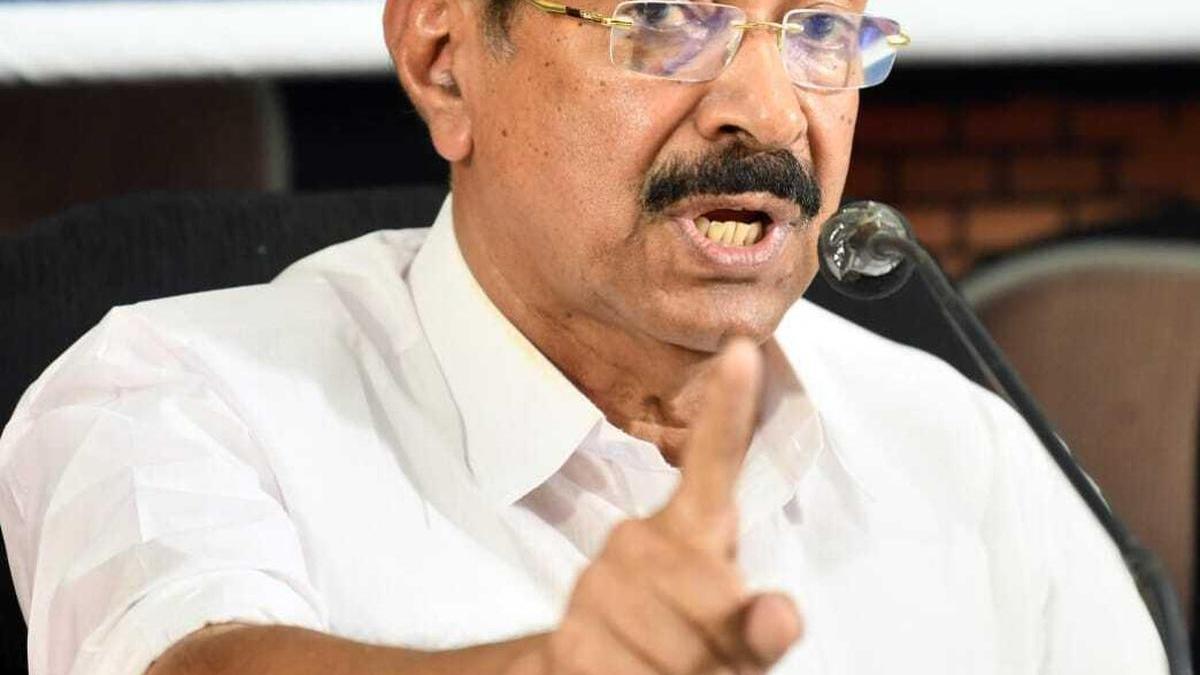
Kerala Minister Sunny Joseph announces Idukki and Cheruthoni dams will open to tourists on December 1, while the government explores all options to avoid electricity restrictions, highlighting the tension between tourism revenue and power security.
Executive Takeaways
- Tourism Boost: Idukki and Cheruthoni dams to open for tourists from December 1, potentially generating significant revenue for Kerala's tourism sector.
- Power Security Concerns: The government is exploring all possible ways to avoid electricity restrictions, underscoring the critical role of hydropower in the state's energy mix.
- Infrastructure Challenge: Balancing tourism and energy needs requires careful management of water resources, especially during dry seasons.
- Economic Impact: The move could spur local economic growth but may strain the power grid if water levels drop.
- Regulatory Oversight: The Kerala State Electricity Board (KSEB) will need to monitor water levels and adjust operations to prevent outages.
Section 1: The Core Event & Breaking Timeline
In a significant development for Kerala's tourism and energy sectors, Minister Sunny Joseph announced on Tuesday that the Idukki and Cheruthoni dams will be opened to tourists starting December 1. This decision comes amid growing concerns over the state's electricity supply, with the government simultaneously exploring all possible avenues to avoid power restrictions. The announcement was made during a press briefing in Thiruvananthapuram, where Minister Joseph emphasized the dual benefits of promoting tourism and ensuring energy security.
The Idukki Dam, one of the highest arch dams in Asia, and the adjacent Cheruthoni Dam have long been restricted areas due to security and operational reasons. Opening them to tourists is expected to boost Kerala's tourism revenue, which has been recovering post-pandemic. According to Kerala Tourism Department data, the state attracted over 1.5 million international tourists in 2023, contributing approximately ₹35,000 crore to the economy. The new tourist access is projected to add another 10-15% to these figures.
However, the timing of this announcement is critical. Kerala has been grappling with electricity shortages during peak summer months, relying heavily on hydropower from these very dams. The KSEB has been under pressure to manage water levels efficiently to meet the state's power demand, which peaks at around 4,500 MW. The minister's statement that the government will explore all possible ways to avoid electricity restrictions indicates a proactive approach to mitigate potential crises.
Initial market reactions have been mixed. While tourism stocks in Kerala saw a slight uptick, energy sector analysts expressed caution. The KSEB's bond yields remained stable, but experts warn that if water levels are diverted for tourism purposes, it could impact power generation. The state government has assured that a balanced approach will be taken, with real-time monitoring of water levels and power demand.
Section 2: Deep Technical & Financial Architecture
The Idukki Dam, a 168.91-meter tall arch dam across the Periyar River, is a cornerstone of Kerala's hydropower infrastructure. It has an installed capacity of 780 MW, contributing nearly 15% of the state's total power generation. The Cheruthoni Dam, part of the same complex, adds another 100 MW. Together, they are crucial for meeting Kerala's peak demand, especially during the summer months when other sources like solar and wind are less reliable.
Opening these dams to tourists involves significant technical and financial considerations. The dams are not just tourist attractions but critical infrastructure. The Kerala State Electricity Board (KSEB) will need to implement strict safety protocols, including limited visitor numbers, guided tours, and restricted access to operational areas. The initial investment for infrastructure upgrades, such as visitor centers, parking facilities, and safety barriers, is estimated at ₹50 crore, according to a preliminary feasibility study.
From a financial perspective, the tourism revenue could offset some of the operational costs of the dams. The Kerala Tourism Department projects an annual revenue of ₹100-150 crore from ticket sales, souvenirs, and ancillary services. This revenue could be reinvested in dam maintenance and safety upgrades. However, the KSEB's primary concern is the potential impact on power generation. The dams' water levels are carefully managed to ensure adequate supply for hydropower. Any diversion for tourism, such as water releases for recreational activities, could reduce power output.
The unit economics of hydropower are favorable, with a levelized cost of electricity (LCOE) of around ₹3-4 per kWh, compared to ₹5-6 for thermal power. However, if water levels drop below the minimum operating level, the KSEB may be forced to purchase expensive power from the grid, driving up costs. The government's promise to avoid restrictions hinges on efficient water management and possibly importing power from neighboring states.
Technology will play a key role in this balancing act. The KSEB has deployed IoT sensors and real-time monitoring systems to track water levels, inflow, and outflow. These systems can provide data to optimize water usage for both power generation and tourism. Additionally, advanced forecasting models using AI can predict rainfall and demand, helping in decision-making. The state is also exploring smart grid solutions to manage demand-side flexibility.
Section 3: Industry & Global Market Ripple Effects
The opening of the Idukki and Cheruthoni dams to tourists is likely to have ripple effects across Kerala's tourism and energy industries. The tourism sector, which employs over 1.5 million people in the state, stands to benefit from increased footfall. Local businesses, including hotels, restaurants, and transport operators, are gearing up for a surge in visitors. The Kerala Tourism Department has launched a marketing campaign targeting domestic and international tourists, highlighting the dams' scenic beauty and engineering marvel.
On the energy front, the move could set a precedent for other states with similar infrastructure. Maharashtra, Karnataka, and Tamil Nadu have dams that are partially open to tourists, but the scale of Idukki is unprecedented. If successful, this model could be replicated elsewhere, boosting tourism revenue for state governments. However, energy analysts caution that the primary function of dams must remain power generation and irrigation.
Global investors in renewable energy are watching closely. Kerala has been attracting investments in solar and wind projects, but hydropower remains a stable baseload source. The state's ability to balance tourism and energy needs could enhance its attractiveness as a destination for green investments. The KSEB's bond issuances have been oversubscribed, indicating strong investor confidence. However, any perceived risk to power supply could dampen this sentiment.
Supply chain impacts are also noteworthy. The construction and maintenance of tourist facilities will require materials and services, providing a boost to local suppliers. The increased tourism activity could also spur demand for electricity from the hospitality sector, adding to the grid's load. The KSEB will need to factor this into its demand forecasts.
Section 4: Critical Perspectives, Analyst Debates & Risk Factors
While the government's announcement has been welcomed by tourism stakeholders, critics have raised concerns about the timing and potential risks. Energy experts argue that opening the dams to tourists during the dry season, when water levels are already low, could exacerbate power shortages. The summer months of March-May are particularly critical, and any reduction in hydropower generation could lead to blackouts.
Environmentalists have also voiced apprehensions about the ecological impact of increased human activity around the dams. The Periyar Tiger Reserve, which surrounds the dams, is a sensitive ecosystem. Unregulated tourism could disturb wildlife and lead to pollution. The government has assured that environmental impact assessments will be conducted and strict guidelines enforced.
From a regulatory standpoint, the Kerala State Electricity Regulatory Commission (KSERC) will need to approve any changes to the dams' operational protocols. The commission has previously emphasized the need to prioritize power generation. The KSEB may need to seek amendments to its licensing conditions to allow tourism activities.
Analyst debates center on the trade-off between short-term tourism revenue and long-term energy security. Some argue that the revenue from tourism can be used to invest in alternative energy sources, reducing dependence on hydropower. Others contend that the state should focus on upgrading its grid and promoting energy efficiency rather than risking power supply.
Section 5: Strategic Forecast & Road Ahead
Over the next 12-24 months, Kerala will need to implement a robust framework to manage the dual objectives of tourism promotion and energy security. The immediate milestone is the December 1 opening, which will test the infrastructure and safety measures. The government plans to start with limited visitor numbers and gradually scale up based on feedback.
By mid-2025, the KSEB aims to complete the installation of advanced monitoring systems and smart grid technologies. These will enable real-time data sharing between the tourism and energy departments, allowing for dynamic adjustments. The state also plans to invest in additional power storage solutions, such as battery banks, to buffer against fluctuations in hydropower generation.
Looking further ahead, Kerala could explore public-private partnerships (PPPs) to develop tourism infrastructure around the dams. This would reduce the financial burden on the government and bring in expertise. The state is also considering integrating the dams into a broader renewable energy ecosystem, with solar panels installed on surrounding hills.
What to watch: The water levels in the Idukki reservoir during the summer of 2025 will be a key indicator of the strategy's success. If the KSEB manages to avoid restrictions while maintaining tourism activities, it could serve as a model for other states. However, any power crisis could force a rethink. The government's ability to balance these competing interests will be closely scrutinized by investors, policymakers, and the public.


Comments (0)
No comments yet. Be the first to share your thoughts!
Leave a Comment