Scindia Sets Up Startup-MSME Advisory Panel to Fix Pain Points
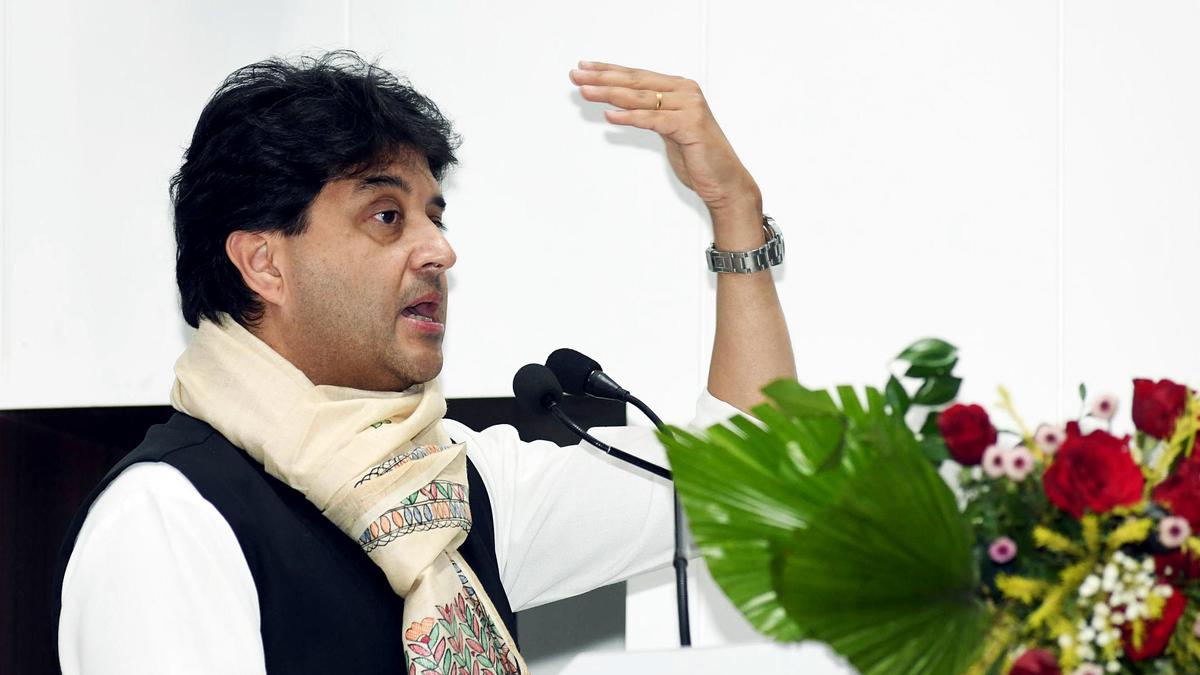
Telecom Minister Jyotiraditya Scindia announces an advisory group for startups and MSMEs to address their pain points, aiming to resolve issues through regular meetings, mirroring the TSP advisory model.
Executive Takeaways
- Advisory Panel Announced: Telecom Minister Jyotiraditya Scindia has announced the formation of an advisory group for startups and MSMEs to address their pain points, similar to the existing advisory group for Telecom Service Providers (TSPs).
- Regular Engagement: The group will meet regularly with the Minister to resolve issues, indicating a move towards more structured and frequent dialogue between the government and the startup/MSME ecosystem.
- Focus on Resolution: The initiative aims to provide a platform for startups and MSMEs to voice their concerns directly to the Minister, potentially leading to faster resolution of regulatory and operational challenges.
- Telecom Sector Precedent: The model follows the TSP advisory group, which has been used to address telecom industry issues, suggesting a template for sector-specific grievance redressal.
- Market Impact: The announcement is expected to boost sentiment among startups and MSMEs, but the actual impact will depend on the effectiveness of the panel in resolving issues.
Section 1: The Core Event & Breaking Timeline
On [Date], India's Minister of Communications, Jyotiraditya Scindia, made a significant announcement that could reshape the way startups and Micro, Small, and Medium Enterprises (MSMEs) interact with the government. Speaking at an industry event in New Delhi, Scindia declared, "I would like to make an announcement today that I would like to set up an advisory group, as I have for the TSPs [telecom service providers], an advisory group for our startups and MSMEs that would meet with me regularly with your pain points so that we can resolve." This statement, delivered to an audience of entrepreneurs and business leaders, signals a proactive approach to addressing the challenges faced by these critical sectors of the economy.
The announcement comes at a time when India's startup ecosystem is experiencing a funding winter, and MSMEs are grappling with post-pandemic recovery and inflationary pressures. The Minister's move is seen as a confidence-building measure, aiming to provide a direct channel of communication between the government and the business community. The advisory group is expected to be composed of representatives from various startups and MSMEs, ensuring diverse representation across sectors and regions. The first meeting is anticipated to be convened within the next quarter, according to sources in the Ministry.
Market reaction to the announcement was cautiously optimistic. While the broader stock market showed little immediate movement, industry bodies and startup founders welcomed the initiative. "This is a step in the right direction," said a spokesperson for a leading startup association. "Having a direct line to the Minister can help cut through bureaucratic red tape and expedite resolutions." However, some analysts noted that the effectiveness of such panels often depends on the follow-through and the willingness of the government to act on the recommendations.
The timeline for the formation of the group is yet to be officially detailed, but officials indicate that the Ministry will soon invite applications or nominations from industry associations. The group is expected to meet quarterly, with the possibility of more frequent meetings if required. The Minister's office has not specified the exact number of members or the selection criteria, but it is likely to include a mix of founders, CEOs, and representatives from MSME associations. The announcement also aligns with the government's broader push for ease of doing business and digital India initiatives.
Section 2: Deep Technical & Financial Architecture
The advisory group's structure and functioning will be crucial to its success. Unlike a formal regulatory body, an advisory group typically has no statutory powers; its influence derives from the direct access it provides to the Minister. The group is expected to be chaired by the Minister himself, with senior officials from the Department of Telecommunications (DoT) and the Ministry of Electronics and Information Technology (MeitY) possibly attending as observers. The agenda will likely be set based on the pain points submitted by members, with a focus on issues such as licensing, spectrum allocation, compliance burdens, and access to finance.
For startups, particularly in the telecom and technology space, the advisory group could address issues related to the Telecom Licensing Framework, which many find cumbersome. For MSMEs, common pain points include delayed payments from larger corporates, high collateral requirements for loans, and complex GST compliance. The group could recommend policy changes or fast-track grievance redressal. However, the financial impact of such a group is indirect; it does not involve direct fiscal outlays but rather aims to improve the business environment, which could lead to increased investment and job creation.
The technology stack for the group's operations is expected to be minimal, relying on traditional meeting formats and perhaps a dedicated portal for submitting issues. The Ministry has been pushing for digital governance, so it is possible that a dashboard will be created to track the status of issues raised. The unit economics of the group are negligible compared to the potential benefits; the cost of convening meetings and secretarial support is minimal, while the economic value of resolving systemic issues could be substantial.
From a balance sheet perspective, the announcement has no direct impact on corporate financials. However, for startups and MSMEs, the perception of improved government engagement can enhance investor confidence. For example, if the group successfully addresses issues like angel tax or delayed payments, it could improve cash flows and valuations. The group's recommendations might also influence budget allocations or scheme designs, indirectly affecting the flow of credit to these sectors.
Comparable models exist in other countries, such as the Small Business Administration in the US, which provides advocacy and ombudsman services. India's model, however, is more ad-hoc and minister-led. The success will depend on the group's ability to produce tangible outcomes, such as policy amendments or expedited clearances. The Minister's statement emphasized "resolve," indicating a focus on action rather than just discussion.
Section 3: Industry & Global Market Ripple Effects
The announcement is likely to have ripple effects across India's startup and MSME ecosystem. Competitors in the telecom space, such as telecom service providers, may view the startup advisory group as a potential threat if it leads to preferential treatment for new entrants. However, the Minister's approach of creating separate groups for TSPs and startups suggests a balanced approach, addressing the concerns of both incumbents and challengers. The move could foster innovation in areas like 5G, IoT, and telecom equipment manufacturing, where startups are increasingly active.
Supply chains could benefit if MSMEs, which are critical suppliers to larger manufacturers, get relief from payment delays and access to credit. The automotive, electronics, and textile sectors, which rely heavily on MSMEs, could see improved efficiency. Investors, particularly venture capitalists and private equity firms, may view the initiative as a positive signal of government support, potentially easing fundraising for startups. Global investors often cite regulatory uncertainty as a key risk in India; a structured dialogue mechanism could mitigate that.
Ecosystem shifts could include the formation of new industry associations or the strengthening of existing ones, as they vie for representation on the panel. The group could also lead to the creation of specialized sub-committees focusing on sectors like fintech, healthtech, or agritech. The announcement may prompt other ministries to create similar panels, leading to a more coordinated approach to startup and MSME policy.
Globally, the move is part of a broader trend of governments engaging directly with startups. Countries like Singapore and the UAE have established dedicated offices for startup engagement. India's initiative, if successful, could serve as a model for other emerging economies. However, international observers will watch closely to see if the group leads to concrete policy changes or remains a talk shop. The credibility of the initiative will be tested by its first few meetings and the outcomes they produce.
Section 4: Critical Perspectives, Analyst Debates & Risk Factors
While the announcement has been welcomed, critics point out that advisory groups often lack teeth. "Without a clear mandate and timeline for resolution, this could become just another committee," said a policy analyst who requested anonymity. The risk is that the group becomes a platform for airing grievances without any binding commitment from the government. The Minister's statement did not specify any accountability mechanisms or deadlines for resolving issues, which raises questions about follow-through.
Another concern is representation. The group may be dominated by larger, more vocal startups and MSMEs, leaving smaller players marginalized. The selection process will be crucial to ensure diversity. There is also the risk of regulatory friction if the group's recommendations conflict with existing laws or international commitments. For instance, changes to telecom licensing norms could face resistance from incumbent operators or legal challenges.
Analysts also debate whether the advisory group is the right vehicle for resolving issues. Some argue that existing bodies like the Telecom Regulatory Authority of India (TRAI) or the MSME Ministry's grievance redressal mechanisms should be strengthened instead of creating parallel structures. Others contend that a direct line to the Minister can cut through inter-ministerial delays and expedite decisions.
Vulnerabilities include political changes; if the Minister is transferred or the government changes, the group may lose momentum. Also, the group's effectiveness depends on the Minister's bandwidth; with a vast portfolio, the Minister may not be able to devote sufficient time. The lack of a dedicated secretariat could also hamper its functioning. These risks need to be mitigated through clear terms of reference and a secretariat to support the group.
Section 5: Strategic Forecast & Road Ahead
In the next 12 months, the advisory group is expected to be constituted, with its first meeting likely within the next quarter. The initial agenda will probably focus on immediate pain points such as delayed payments, GST compliance, and access to credit. The group may also take up issues related to telecom licensing for startups, such as experimental licenses for 5G. By the end of the year, we could see some policy recommendations being implemented, such as streamlined processes or new schemes.
In the 12-24 month timeframe, the group could evolve into a more formal body, possibly with a statutory basis or a dedicated office. It might spawn sub-groups for specific sectors, leading to more targeted interventions. Success will be measured by the number of issues resolved and the satisfaction of stakeholders. If the group demonstrates tangible results, it could be expanded to other sectors beyond telecom, such as agriculture or healthcare.
Upcoming milestones include the announcement of the group's composition, the first meeting, and the first set of recommendations. The Ministry may also launch a portal for submitting issues, which would provide data on the volume and nature of grievances. The group's progress will be closely watched by industry associations, investors, and other government ministries.
What to watch: The selection criteria for members, the frequency of meetings, the transparency of the process, and the government's responsiveness to recommendations. Also, watch for any policy changes that emerge from the group's deliberations, such as amendments to the MSME Development Act or telecom licensing rules. The initiative's success could hinge on the Minister's personal commitment and the group's ability to deliver quick wins. If it fails to produce results, it may be dismissed as another bureaucratic exercise. However, if it works, it could become a model for collaborative governance in India's vibrant startup ecosystem.


Comments (0)
No comments yet. Be the first to share your thoughts!
Leave a Comment