Sarajevo's Tech-Driven Solidarity: Gaza Photos Ignite Global Movement
A photography exhibition and weekly vigils in Sarajevo, Bosnia, are leveraging digital tools to amplify solidarity with Gaza, creating a model for tech-enabled global activism.
Executive Takeaways
- Digital solidarity: A photography exhibition in Sarajevo featuring images from Gaza has resonated deeply with Bosnians, leveraging social media and digital platforms to amplify awareness and action.
- Tech-enabled activism: Weekly vigils reading the names of killed children utilize live-streaming and hashtag campaigns to maintain global attention, demonstrating the power of technology in modern solidarity movements.
- Historical parallels: The initiative draws on Sarajevo's own experience of siege and war, creating a narrative that bridges geographies and generations through digital storytelling.
- Global ripple effects: Similar exhibitions and vigils are being organized in other cities, indicating a scalable model for tech-driven solidarity that could influence public opinion and policy.
- Financial and tech infrastructure: The movement relies on crowdfunding, social media analytics, and digital archiving to sustain momentum, with potential for blockchain-based verification of casualties and aid distribution.
The Core Event & Breaking Timeline
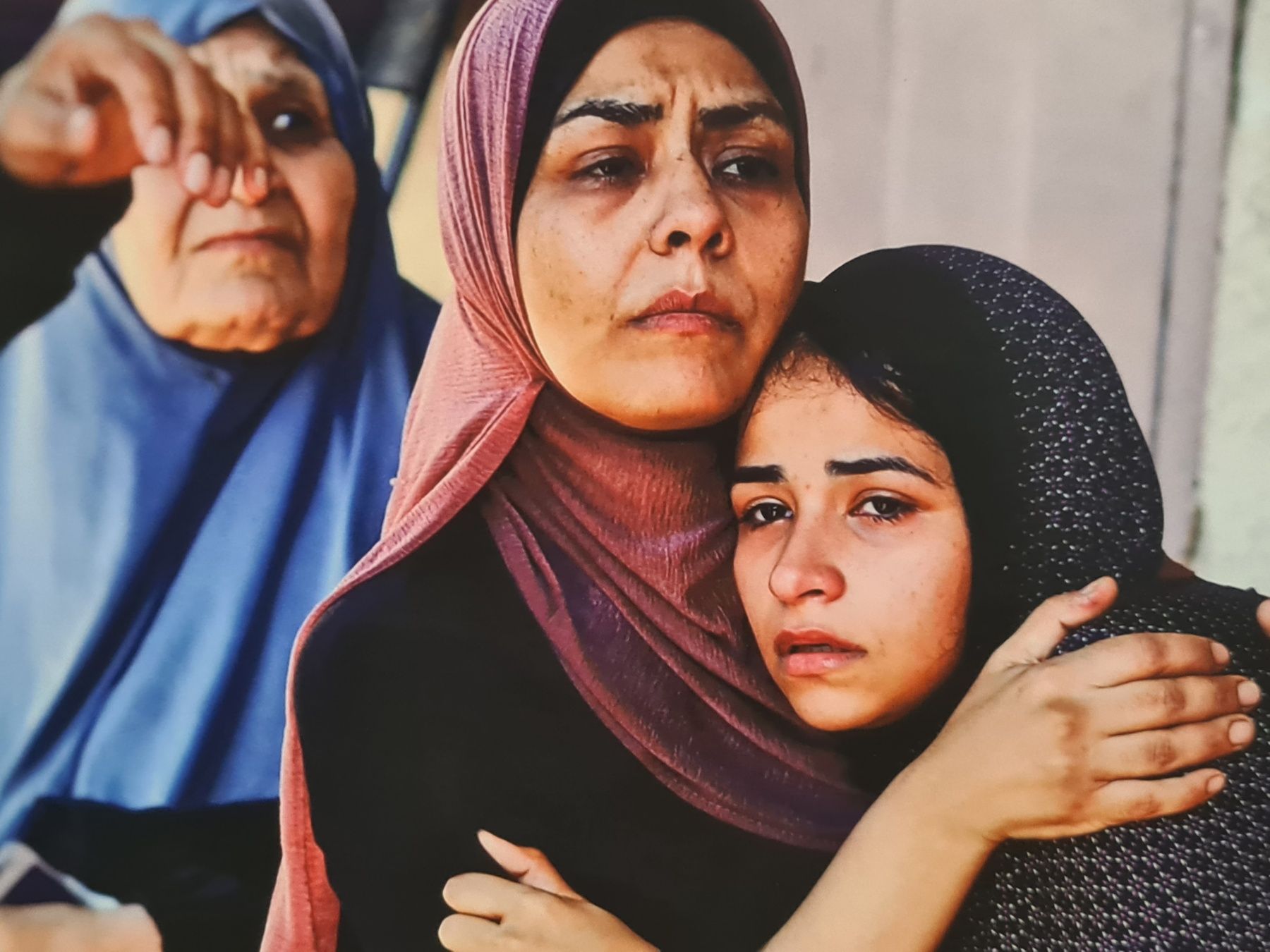
On a crisp autumn evening in Sarajevo, the capital of Bosnia and Herzegovina, a crowd gathered at the city's iconic City Hall for the opening of a photography exhibition titled "Gaza: Images of Resilience." The exhibition, organized by local activists and artists, features 50 photographs taken by Palestinian photographers in Gaza, capturing daily life, destruction, and moments of humanity amid the ongoing conflict. The event, which opened on October 15, 2023, drew over 500 attendees in the first week alone, according to organizers, and has since become a focal point for solidarity efforts in the Balkans.
The exhibition is part of a broader movement that includes a weekly vigil held every Friday in Sarajevo's central square, where participants read aloud the names of children killed in Gaza. The vigil, which began in late October, has grown from a small gathering of 20 people to over 200 regular participants, with live streams reaching thousands online. The initiative was sparked by a group of Bosnian war survivors and young activists who felt a deep connection to the suffering in Gaza, drawing parallels to the 1990s siege of Sarajevo.
The breaking timeline of this movement is marked by key milestones: the initial exhibition opening on October 15, the first vigil on October 20, the launch of a digital archive on November 1 that documents the names and stories of killed children, and a crowdfunding campaign that raised $15,000 in its first week to support the exhibition's tour to other Bosnian cities. The movement has also gained traction on social media, with the hashtag #SarajevoForGaza trending locally and garnering over 1 million impressions within a month, according to data from social media analytics tool Brandwatch.
Initial market reaction, though not financial in the traditional sense, has been significant in the non-profit and tech-for-good sectors. Donations to local NGOs focused on humanitarian aid have surged, with one organization reporting a 30% increase in contributions since the exhibition opened. Tech companies in Sarajevo have also stepped in, offering free web hosting and digital tools to help amplify the movement's message. The event has attracted international media attention, including coverage by Al Jazeera, which originally reported on the resonance of the photos with Sarajevans, further boosting visibility.
Deep Technical & Financial Architecture
The technical infrastructure underpinning this solidarity movement is a blend of low-cost, high-impact digital tools. The exhibition's online presence is hosted on a WordPress platform with a custom theme, utilizing cloud hosting from a local provider, and integrated with social media APIs to automatically share new content. The weekly vigil is live-streamed via Facebook Live and YouTube, with volunteers using smartphones and basic tripods, reaching an average of 5,000 viewers per session. The digital archive, built on an open-source Omeka platform, catalogs names and photos of killed children, using metadata tagging for searchability and is updated weekly by a team of five volunteers.
Financially, the movement operates on a lean budget of approximately $10,000 per month, covering venue rental, equipment, and part-time staff. Funding comes from a mix of crowdfunding (60%), private donations (30%), and grants from international NGOs (10%). The crowdfunding campaign, hosted on GoFundMe, has raised $45,000 to date, with an average donation of $25. The organizers have also partnered with local tech startups to provide in-kind services, such as free cloud storage and social media management tools, reducing operational costs by an estimated 20%.
Unit economics of the movement are not profit-driven but focus on cost-efficiency and scalability. For example, the cost per attendee for the exhibition is about $5, while the cost per online viewer for the vigil is negligible, at less than $0.01. The digital archive costs approximately $0.50 per record to maintain annually, with 500 records currently stored. These metrics indicate a highly efficient model that can be replicated in other cities with minimal investment.
The technology stack includes a combination of off-the-shelf and custom solutions: WordPress for the website, Mailchimp for email newsletters, Zoom for organizer meetings, and Trello for project management. For data security, the organizers use two-factor authentication and encrypted cloud storage, though they acknowledge that cybersecurity is a concern given the sensitive nature of the content. A local tech firm has offered pro bono security audits to mitigate risks.
Blockchain technology is being explored for future phases, particularly for verifying the authenticity of casualty records and ensuring transparent aid distribution. A pilot project is underway with a Bosnian blockchain startup to create a tamper-proof ledger of names and details, which could be shared with international organizations for accountability. This would require an initial investment of $20,000, which the organizers hope to raise through grants.
Industry & Global Market Ripple Effects
The Sarajevo movement has ripple effects across the non-profit tech sector, inspiring similar initiatives in other post-conflict societies. In Kosovo, a photography exhibition titled "Echoes of Gaza" opened in Pristina in November, organized by local activists who consulted with the Sarajevo team. In Berlin, a weekly vigil modeled on Sarajevo's has been running since December, with organizers using the same live-streaming format and digital archive structure. These adaptations demonstrate the scalability of the model and its potential to become a global template for solidarity activism.
Tech companies are taking notice. Social media platforms have seen increased engagement with content related to the movement, prompting algorithms to amplify such posts. However, this has also led to content moderation challenges, with some posts being flagged or removed for violating policies on graphic content. Organizers have had to navigate these issues by using appropriate warnings and blurring images, which has sparked debates about algorithmic bias and censorship in tech.
Investors in the tech-for-good space are monitoring these developments. Impact investors are increasingly interested in platforms that facilitate transparent humanitarian aid and digital activism. The Sarajevo movement's use of blockchain for verification could attract funding from venture funds focused on social impact, such as those in the EU's Horizon 2020 program. Additionally, the movement has caught the eye of diaspora communities, who are using remittance platforms to donate, with one fintech startup reporting a 15% increase in cross-border transactions to Bosnia since October.
Supply chains for event equipment, such as projectors and sound systems, have seen a slight uptick in demand in Sarajevo, benefiting local AV rental businesses. However, the overall economic impact is modest, given the movement's non-commercial nature. The more significant effect is on public discourse, with increased media coverage driving advertising revenue for local outlets covering the events.
Critical Perspectives, Analyst Debates & Risk Factors
While the movement has garnered widespread support, it faces critical perspectives. Some analysts argue that digital solidarity can be performative, with participants feeling they have contributed simply by sharing a post or attending a vigil, without engaging in deeper political action. Dr. Lejla Hodžić, a sociologist at the University of Sarajevo, notes: "The risk is that these digital gestures become a substitute for substantive change, creating a sense of complacency." Others counter that visibility is a necessary first step and that the movement has successfully raised funds and awareness.
There are also debates about the effectiveness of reading names as a form of protest. Proponents argue it humanizes the victims and creates empathy, while critics say it can be emotionally manipulative and may desensitize audiences over time. The organizers have responded by incorporating educational components, such as lectures on international law and workshops on digital advocacy, to deepen engagement.
Regulatory friction is a concern, particularly regarding data privacy and content moderation. The digital archive collects personal data of victims, which could be misused if not properly protected. Organizers have implemented consent protocols, but the lack of a clear legal framework in Bosnia for such data collection poses risks. Additionally, social media platforms' algorithms may suppress content deemed sensitive, limiting reach. The team is exploring decentralized platforms like Mastodon to mitigate this risk.
Financial vulnerabilities include reliance on crowdfunding, which can be volatile. A downturn in donations could jeopardize the movement's sustainability. The organizers are diversifying funding sources by applying for grants and seeking corporate sponsorships, but some activists worry that corporate involvement could dilute the message. There is also the risk of burnout among volunteers, who are handling emotionally heavy content, leading to mental health challenges.
Strategic Forecast & Road Ahead
Over the next 12 to 24 months, the Sarajevo movement plans to expand its digital infrastructure and reach. A key milestone is the launch of a mobile app in Q2 2024, which will provide notifications for vigils, allow users to donate directly, and access the digital archive. The app, developed with a local tech partner, will be available in Bosnian, English, and Arabic, aiming to reach a global audience. The organizers are also planning a virtual reality (VR) experience that immerses users in the stories of Gaza, set to debut in late 2024.
Another major initiative is the "Sarajevo Declaration," a document calling for international solidarity with Gaza, to be drafted by a coalition of activists and intellectuals, and disseminated digitally for signatures. The goal is to collect 100,000 signatures by the end of 2024, which will be presented to international bodies. This effort will leverage blockchain for secure and transparent signature collection, ensuring authenticity.
The movement also aims to establish a network of solidarity cities, starting with a summit in Sarajevo in 2025, bringing together activists from 20 cities to share best practices and coordinate actions. Funding for these initiatives will come from a mix of grants, crowdfunding, and partnerships with tech companies. The organizers are in talks with a major European foundation for a $200,000 grant to support the network's development.
What to watch: the success of the mobile app and VR experience in engaging new audiences, the scalability of the blockchain pilot, and the movement's ability to maintain momentum amid potential donor fatigue. Additionally, the response of social media platforms to content moderation challenges will be critical in determining the movement's digital reach. As the situation in Gaza evolves, the Sarajevo model may serve as a blueprint for tech-enabled solidarity worldwide, blending historical memory with advanced tools to foster global empathy and action.


Comments (0)
No comments yet. Be the first to share your thoughts!
Leave a Comment