Sabarimala's Tech-Driven Pilgrim Economy Hinges on Vrischikam 12 Surge
Sabarimala temple pins hopes on Vrischikam 12 rush to reverse a slow start, as daily pilgrim average stays above 60,000. The outcome will test the temple's digital booking systems and financial resilience.
Executive Takeaways
- Slow Start: Pilgrim arrivals to Sabarimala are below expectations in the first week, with a daily average just above 60,000.
- Vrischikam 12 Hope: Officials pin hopes on the Vrischikam 12 rush to lift numbers and meet seasonal targets.
- Tech Under Pressure: The virtual queue and online booking systems face a stress test as the season peaks.
- Financial Stakes: The temple's revenue, tied to pilgrim volumes, could impact local businesses and the state economy.
- Data-Driven Response: Authorities are leveraging data analytics to manage crowds and optimize resources.
The Core Event & Breaking Timeline
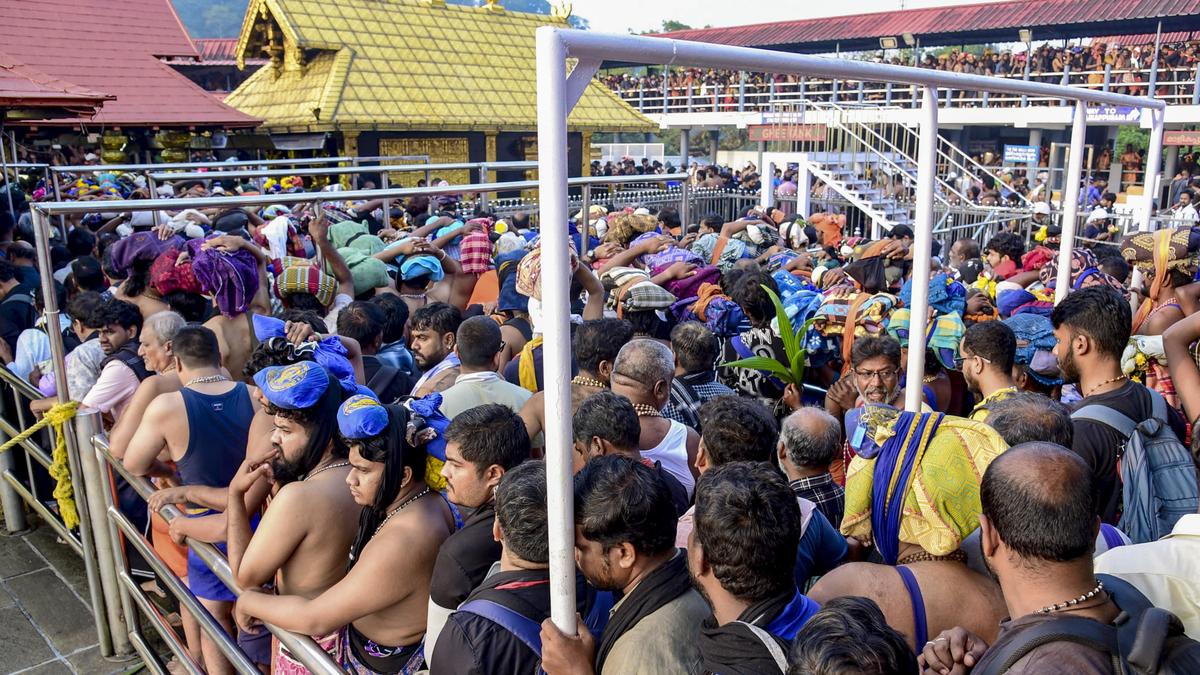
On November 20, 2025, The Hindu reported that the Sabarimala temple in Kerala is grappling with a slower-than-expected start to its annual pilgrimage season. Official data indicates that the daily average pilgrim count during the first week remains above 60,000, a figure that, while substantial, falls short of the temple's historical averages for the same period. The season, which began on November 16, 2025, with the Mandala Puja, typically sees a surge in devotees during the Vrischikam 12 festival, a key date that officials hope will reverse the current trend.
The slow start has raised concerns among stakeholders, including the Travancore Devaswom Board (TDB), which administers the temple, and local businesses that rely heavily on pilgrim traffic. In response, the TDB has emphasized that the daily average is still robust and that the Vrischikam 12 rush, expected around November 27, 2025, will significantly boost numbers. The temple's virtual queue system, introduced in 2020, has been pivotal in managing crowds, but the current dip has prompted a review of its effectiveness and capacity.
Market reaction has been muted but watchful. The temple's revenue, derived from offerings and donations, is a critical component of the TDB's finances, which in turn supports various social welfare programs. A prolonged slump could strain the board's budget, though officials remain optimistic. Local tourism and hospitality sectors, which contribute an estimated ₹1,200 crore annually to the Kerala economy, are closely monitoring the situation. The state government has not issued any official statement, but sources indicate that contingency plans are in place to handle the anticipated rush.
The timeline of events is as follows: November 16, 2025 – season begins with Mandala Puja; November 20, 2025 – The Hindu reports slow start; November 27, 2025 – Vrischikam 12 festival expected to draw large crowds; December 26, 2025 – Mandala Puja concludes; January 14, 2026 – Makaravilakku festival marks the season's end. Each milestone will be scrutinized for pilgrim turnout and its impact on the temple's financial health.
Deep Technical & Financial Architecture
The Sabarimala pilgrimage economy is underpinned by a sophisticated technology stack designed to manage millions of devotees. The virtual queue system, accessible via the Sabarimala app and website, allows pilgrims to book slots in advance, reducing physical crowding. The system integrates with the Kerala Police's crowd management tools and uses real-time data analytics to predict arrival patterns. However, the slow start has exposed potential gaps in the system's ability to stimulate demand during off-peak periods. The TDB is now considering dynamic pricing models for offerings and enhanced digital marketing to attract devotees.
Financially, the temple's balance sheet is heavily reliant on pilgrim contributions. In the 2024-25 season, the TDB reported revenues of approximately ₹350 crore, with a significant portion coming from the Vrischikam 12 and Makaravilakku periods. The current slow start could lead to a 10-15% shortfall if the trend continues, according to estimates by financial analysts. The TDB's budget allocates funds for temple maintenance, staff salaries, and welfare schemes, leaving little room for revenue shocks. The board has contingency reserves, but a prolonged dip could force cuts to non-essential spending.
The unit economics of the pilgrimage are equally critical. Each pilgrim spends an average of ₹2,500 on travel, accommodation, and offerings, contributing to the local economy. The temple's own revenue per pilgrim is estimated at ₹500, derived from offerings, prasadam sales, and parking fees. With 60,000 pilgrims per day, the daily revenue is around ₹3 crore, which is below the peak-season average of ₹5 crore. The Vrischikam 12 rush is expected to push daily numbers to over 100,000, potentially generating ₹5-6 crore per day. The TDB is leveraging data from the virtual queue to forecast these peaks and allocate resources accordingly.
Technology also plays a role in crowd safety and logistics. The Kerala Police use drone surveillance and AI-powered video analytics to monitor crowd density and prevent stampedes. The temple's IT infrastructure includes RFID-enabled wristbands for children and elderly pilgrims, and a centralized command center that coordinates with local hospitals and transport authorities. These systems are stress-tested during peak periods, and the current slow start provides an opportunity to fine-tune them before the Vrischikam 12 surge.
From a financial architecture perspective, the TDB's revenue model is vulnerable to external shocks such as weather, travel restrictions, or pandemics. The board has been exploring diversification, including eco-tourism initiatives and digital donation platforms, but these are still in nascent stages. The current season's performance will be a key indicator of the effectiveness of these strategies and the resilience of the temple's financial model.
Industry & Global Market Ripple Effects
The Sabarimala pilgrimage is not just a local event; it has significant ripple effects on the broader Indian tourism and hospitality industry. Kerala's tourism sector, which contributes about 10% to the state's GDP, relies on pilgrim traffic during the November-January season. A shortfall in pilgrim numbers could impact hotel occupancy rates, transport operators, and small businesses along the pilgrimage route. Industry bodies such as the Kerala Travel Mart have reported a 5-10% dip in bookings compared to the previous year, though they remain hopeful for a last-minute surge.
On a global scale, the temple's digital initiatives have attracted attention from other religious destinations looking to manage crowds. The virtual queue system has been cited as a model by international organizations, and the TDB has received inquiries from temples in Southeast Asia and Europe. However, the current slow start may temper enthusiasm, as it highlights the challenges of predicting pilgrim behavior. Competitors in the religious tourism space, such as Tirupati and Vaishno Devi, are watching closely to see if Sabarimala's tech-driven approach yields results.
Investors in Kerala's tourism and infrastructure sectors are also monitoring the situation. The state government has invested heavily in road and rail connectivity to Sabarimala, including the upcoming Sabari Rail project, which is expected to boost pilgrim numbers in the long term. A weak season could delay private investment in hotels and resorts, though analysts believe the fundamental demand remains strong. The TDB's financial health is a key factor, as it often partners with private entities for infrastructure development.
Supply chains, particularly those for food and essential commodities, are directly affected. Local farmers and suppliers provide provisions to the temple and its surrounding areas, and a dip in pilgrim numbers can lead to surplus and price fluctuations. The Vrischikam 12 rush is expected to stabilize demand, but the slow start has already caused some disruption. The TDB is working with suppliers to ensure adequate stock for the peak period.
Critical Perspectives, Analyst Debates & Risk Factors
While officials remain optimistic, analysts are divided on the reasons behind the slow start. Some attribute it to changing devotee preferences, with younger pilgrims opting for other destinations or virtual participation. Others point to economic factors, such as inflation reducing disposable income for travel. The TDB's assertion that the daily average is above 60,000 is technically true, but critics argue that it masks a declining trend compared to previous years. In the 2023-24 season, the first-week average was around 75,000, indicating a 20% drop.
Risk factors include logistical bottlenecks and safety concerns. The Vrischikam 12 rush could overwhelm the temple's infrastructure if the surge is larger than expected. The virtual queue system has a cap on daily bookings, but walk-in pilgrims may still cause crowding. The Kerala High Court has previously intervened to enforce safety measures, and any incident could lead to regulatory scrutiny. The TDB is also facing pressure from environmental groups over the ecological impact of the pilgrimage, which could lead to stricter regulations.
Another debate centers on the temple's financial management. The TDB has been criticized for opaque accounting and inefficiencies. A slow season could exacerbate these issues, leading to calls for greater transparency and diversification. Some analysts suggest that the temple should invest more in digital infrastructure to attract tech-savvy pilgrims, while others argue for traditional outreach methods.
Regulatory friction is another risk. The temple is subject to various state and central regulations, including those related to religious endowments and crowd management. Any perceived mismanagement could invite legal challenges. The TDB is working with the state government to streamline approvals for temporary infrastructure during the season, but bureaucratic delays remain a concern.
Strategic Forecast & Road Ahead
Looking ahead, the next 12-24 months will be critical for Sabarimala's pilgrimage economy. The immediate focus is on the Vrischikam 12 rush, which officials hope will lift the season's overall numbers. If successful, the TDB may consider extending the virtual queue system to other temples under its administration. In the medium term, the completion of the Sabari Rail project and improved road connectivity could significantly boost pilgrim capacity and numbers.
Upcoming milestones include the Mandala Puja conclusion on December 26, 2025, and the Makaravilakku festival on January 14, 2026. These events will provide data on pilgrim behavior and the effectiveness of crowd management strategies. The TDB is also planning to launch a new mobile app with enhanced features, such as real-time darshan updates and personalized recommendations, to improve the pilgrim experience.
What to watch: the daily pilgrim counts during Vrischikam 12, the TDB's revenue figures for the season, and any regulatory developments. The temple's ability to adapt to changing devotee preferences and technological advancements will determine its long-term viability. Analysts will also monitor the impact on Kerala's tourism sector and the broader economy.
looking ahead, Sabarimala's slow start is a test of its resilience and innovation. The Vrischikam 12 rush is not just a religious event but a financial and technological milestone. How the temple manages this period will set the tone for future seasons and potentially reshape the pilgrimage economy.

Comments (0)
No comments yet. Be the first to share your thoughts!
Leave a Comment