Hong Kong Inferno: 168 Dead, Families Still Waiting for Justice
A year after a renovation fire killed 168 in Hong Kong, families await justice. The tragedy highlights gaps in fire safety technology and building regulations, with financial and industry-wide implications.
Executive Takeaways
- Deadly Renovation Fire: A year after a fire during renovations killed 168 in Hong Kong, families are still seeking justice and answers.
- Regulatory Gaps: The tragedy exposed weaknesses in fire safety regulations and enforcement for aging buildings.
- Technology Adoption: Experts call for greater use of fire-resistant materials, smart sensors, and real-time monitoring systems.
- Financial Impact: The incident has prompted insurers to reassess risks, potentially raising premiums for older buildings.
- Industry Shift: Construction and real estate sectors face pressure to upgrade safety standards, driving demand for innovative solutions.
Section 1: The Core Event & Breaking Timeline
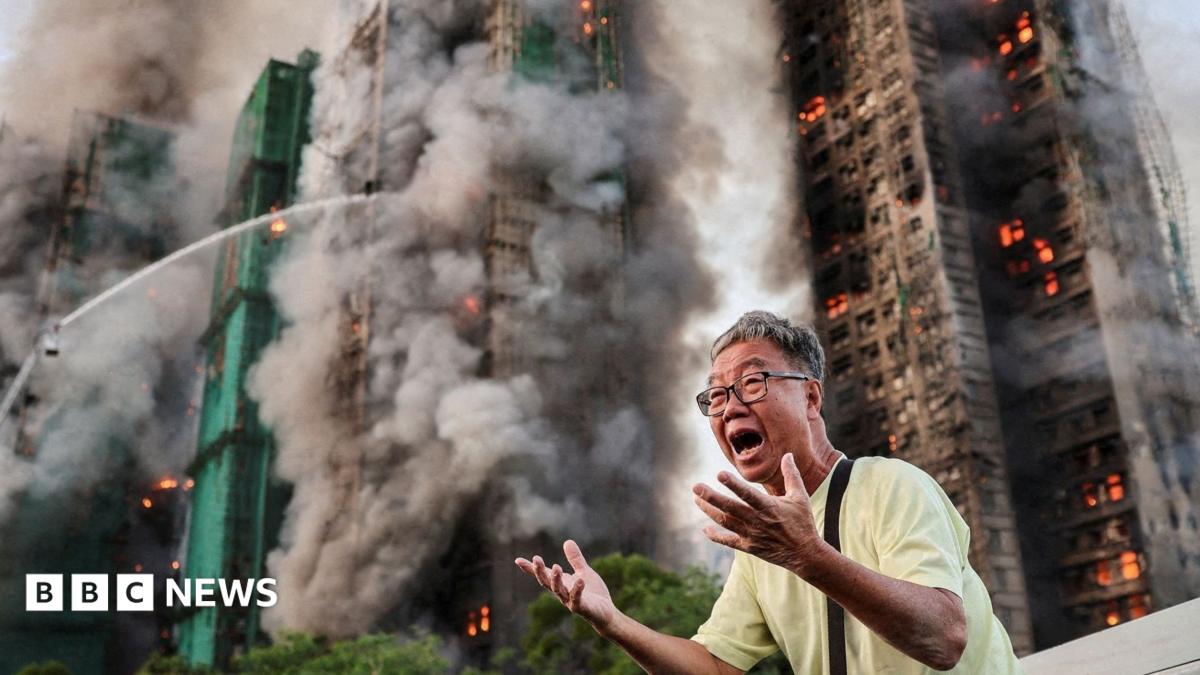
On a humid September night in 2024, a fire broke out in a 16-story residential building in Hong Kong's Kowloon district, quickly engulfing the structure and claiming 168 lives. The building was undergoing a government-subsidized renovation program aimed at upgrading fire safety systems in older buildings. According to the Fire Services Department, the blaze started in a storage area filled with construction materials and spread rapidly through inadequate fire escapes and missing fire doors. Initial investigations revealed that the renovation work had been stalled for months due to funding disputes, leaving the building in a vulnerable state.
The timeline of the tragedy unfolded over just a few hours: at 9:15 PM, a neighbor reported smoke; by 9:30 PM, the fire had escalated to a three-alarm status; and by 10:00 PM, the building was fully engulfed. Firefighters faced challenges accessing the building due to narrow streets and parked vehicles, a common issue in densely populated Kowloon. The last flames were extinguished only after 12 hours, leaving a charred shell and a community in mourning. In the immediate aftermath, the Hong Kong government declared a day of mourning, and flags flew at half-mast.
Market reaction was swift but localized. Shares of construction and renovation companies involved in the project plummeted, with one contractor losing 15% of its value in a single day. The Hang Seng Index dipped 0.5% as investors weighed potential regulatory crackdowns on building safety. Insurance stocks also saw volatility, with analysts predicting a surge in claims and stricter underwriting standards. The government announced an emergency review of all ongoing renovation projects, halting work on over 200 sites for safety inspections.
A year later, the affected families remain in temporary housing, their lives upended. Many have yet to receive compensation, as legal battles over liability drag on. The government has pledged a thorough investigation, but no charges have been filed against contractors or officials. The slow pace of justice has fueled public anger, with protests demanding accountability. Meanwhile, the building's remains stand as a grim reminder of the cost of neglect, and the community struggles to rebuild trust.
Section 2: Deep Technical & Financial Architecture
The fire's rapid spread was exacerbated by a combination of outdated building design and inadequate safety measures. The building, constructed in the 1970s, lacked modern fire suppression systems such as sprinklers and had only one narrow staircase serving as an escape route. During the renovation, fire doors were removed and not replaced, and flammable materials like polyurethane foam were stored in common areas. According to fire safety engineer Dr. Alan Lee, "The building was a tinderbox waiting to ignite. The renovation should have addressed these issues, but cost-cutting and delays left it more vulnerable than before."
From a financial perspective, the renovation project was funded through a mix of government subsidies and owner contributions. The total budget was HK$50 million, but only HK$20 million had been disbursed when the fire occurred. Contractors cited rising material costs and labor shortages for the delays. The project's financial structure was complex, involving multiple subcontractors and a lack of clear oversight. Auditors later found that funds were mismanaged, with some payments made for work not completed. This financial disarray directly contributed to the safety lapses, as corners were cut to save money.
The unit economics of building safety upgrades are challenging. For older buildings, the cost of retrofitting sprinklers, fire doors, and alarms can run into millions per building, often exceeding the financial capacity of residents, many of whom are elderly or low-income. Government subsidies cover only a portion, leaving owners to bear the rest. This creates a vicious cycle: buildings remain unsafe because upgrades are unaffordable, and when disasters strike, the costs—both human and financial—are far greater. Insurers are now reevaluating premiums for such buildings, potentially making insurance prohibitively expensive for those who need it most.
Technology could play a crucial role in mitigating risks. Smart fire detection systems using IoT sensors can provide early warnings and automatically alert authorities. Fire-resistant materials, such as intumescent paints and fire-rated doors, are available but underutilized due to cost. Building information modeling (BIM) can help plan renovations more efficiently and ensure compliance. However, adoption in Hong Kong's fragmented construction industry is slow. The government's proposed Building Safety Technology Fund aims to subsidize these upgrades, but uptake has been limited. Experts argue that mandatory standards and stricter enforcement are needed to drive change.
Section 3: Industry & Global Market Ripple Effects
The Hong Kong fire has sent shockwaves through the global construction and real estate industries, highlighting the risks of aging urban infrastructure. In cities like New York, London, and Tokyo, where many buildings date back decades, regulators are reviewing fire safety codes. The incident has also drawn attention to the growing market for fire safety technologies, projected to reach $100 billion by 2030. Companies specializing in fire-resistant materials, smart sensors, and emergency lighting have seen increased interest from investors and builders.
In Hong Kong, the construction sector is facing a reckoning. The government has announced a HK$1 billion fund to accelerate safety upgrades in old buildings, but contractors are wary of new liabilities. Insurance companies are tightening requirements, demanding proof of compliance before issuing policies. This has led to a surge in demand for fire safety consultants and auditors, creating a new niche market. However, smaller contractors struggle to afford the necessary certifications, leading to consolidation in the industry.
Globally, the fire has prompted a reevaluation of renovation practices. In the UK, following the Grenfell Tower tragedy, similar issues were exposed, and the Hong Kong incident reinforces the need for stringent oversight. Multinational corporations with properties in Hong Kong are reassessing their portfolios, with some considering divestment from older assets. The ripple effects extend to supply chains: manufacturers of fire safety equipment are ramping up production, while those of flammable materials face stricter regulations.
Investors are increasingly factoring building safety into their risk models. ESG (Environmental, Social, and Governance) criteria now include fire safety as a key metric, influencing investment decisions. Real estate investment trusts (REITs) with exposure to older buildings may see valuation adjustments. The tragedy has also spurred innovation: startups are developing AI-powered fire prediction systems and drone-based firefighting solutions, attracting venture capital. The market is responding, but the pace of change remains uncertain.
Section 4: Critical Perspectives, Analyst Debates & Risk Factors
While the government has pledged reforms, critics argue that the response has been inadequate. Opposition lawmakers and community groups accuse officials of prioritizing development over safety, pointing to lax enforcement and corruption. They demand an independent inquiry with powers to compel testimony and prosecute negligence. The government maintains that it is committed to justice but faces challenges in gathering evidence and navigating legal complexities. The debate has become highly politicized, with some framing it as a test of the government's accountability.
Analysts are divided on the financial implications. Some believe the fire will catalyze a much-needed upgrade cycle, benefiting construction and technology firms. Others warn that the costs could overwhelm small property owners, leading to defaults and further deterioration of buildings. Insurers are caught in the middle, trying to balance risk with affordability. There is also concern that the focus on technology may overshadow the need for better regulation and enforcement. As one industry expert noted, "Technology is a tool, not a panacea. Without proper oversight, it can create a false sense of security."
Risk factors abound. The slow legal process means that families may wait years for compensation, eroding trust in the system. The government's proposed reforms may face resistance from vested interests in the construction industry. Moreover, the economic downturn has reduced funding for safety upgrades, making buildings more vulnerable. Climate change adds another layer: extreme weather events can exacerbate fire risks, and aging infrastructure is ill-equipped to cope.
From a global perspective, the Hong Kong fire serves as a cautionary tale for rapidly urbanizing cities. As populations age and buildings deteriorate, the risk of similar tragedies grows. The World Bank estimates that over 60% of the world's building stock will be in developing countries by 2030, many with inadequate safety standards. The incident underscores the need for international cooperation and knowledge sharing to prevent future disasters.
Section 5: Strategic Forecast & Road Ahead
In the next 12 to 24 months, Hong Kong is expected to implement significant regulatory changes. A comprehensive fire safety audit of all buildings over 30 years old will be completed, with mandatory upgrades enforced. The government will likely introduce a licensing system for contractors, requiring proof of safety training and compliance. Funding for the Building Safety Technology Fund will be increased, with a focus on smart sensors and fire-resistant materials. However, implementation may be delayed by bureaucratic hurdles and industry pushback.
Legal proceedings will move forward, with the first lawsuits against contractors and officials expected to be filed within the year. The outcome of these cases will set precedents for liability and compensation. Families of victims are demanding criminal charges, and public pressure may lead to a special commission of inquiry. The government's response will be closely watched as a test of its commitment to transparency and accountability.
Technologically, we can expect a surge in adoption of fire safety innovations. IoT-enabled smoke detectors, automated sprinkler systems, and AI-driven risk assessment tools will become more common in both new and old buildings. Startups in this space will attract investment, and partnerships between tech firms and construction companies will flourish. However, the cost of these technologies remains a barrier, and government subsidies will be crucial to ensure widespread adoption.
For investors, the key will be to monitor regulatory developments and their impact on real estate and insurance sectors. Companies that proactively upgrade safety standards may gain a competitive edge, while those that lag could face liabilities. The tragedy has also highlighted the importance of ESG factors, and investors will increasingly demand transparency on building safety. Ultimately, the road ahead requires a collective effort from government, industry, and communities to ensure that such a disaster never happens again.



Comments (0)
No comments yet. Be the first to share your thoughts!
Leave a Comment