Vandalism Exposes Security Gaps in Public Heritage Tech
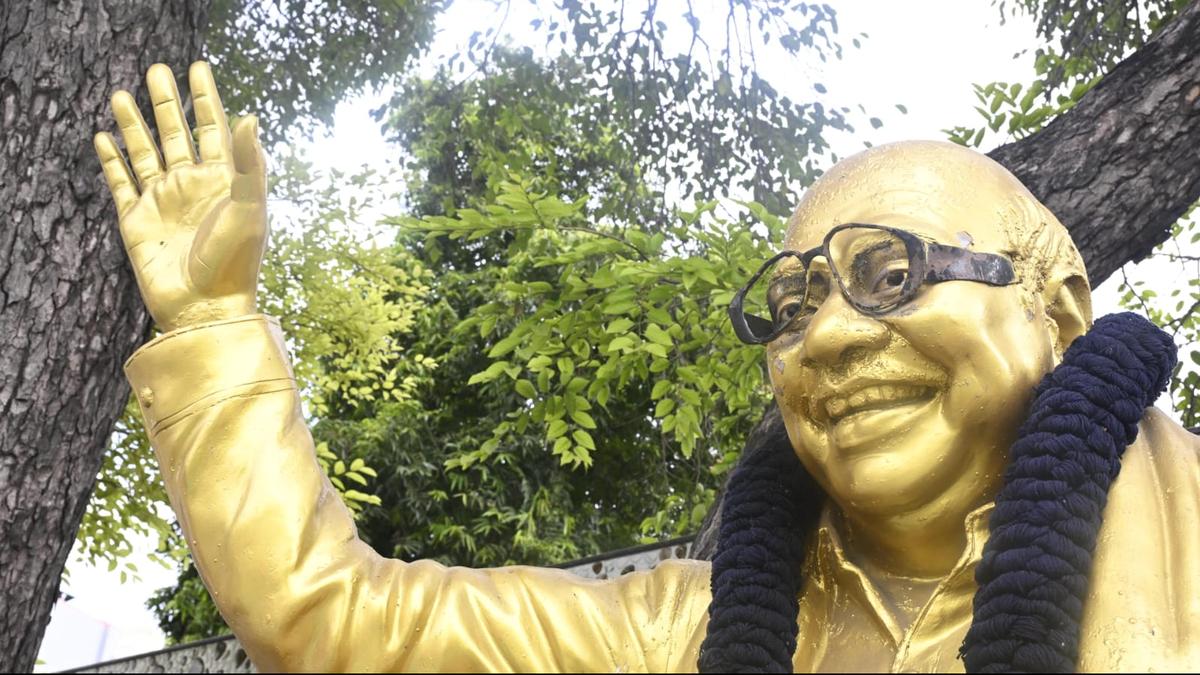
A man was detained for vandalizing a Karunanidhi statue, damaging a library and party office in Erode. The incident highlights vulnerabilities in protecting public heritage assets and raises questions about security technology deployment.
Executive Takeaways
- Security Vulnerability: The vandalism of a high-profile statue and adjacent facilities underscores critical gaps in public asset protection, prompting calls for advanced surveillance and monitoring technologies.
- Technological Imperative: Experts argue that integrating AI-driven anomaly detection, IoT sensors, and real-time alert systems could prevent such incidents, but funding and privacy concerns remain barriers.
- Financial Implications: The damage, though localized, signals potential costs for municipalities to upgrade security infrastructure, with estimates running into millions for comprehensive city-wide deployments.
- Market Opportunity: The incident could accelerate adoption of smart city security solutions, benefiting tech firms specializing in surveillance, analytics, and rapid response systems.
- Regulatory and Ethical Debates: Balancing public safety with civil liberties will be crucial as authorities consider expanding surveillance networks.
The Core Event & Breaking Timeline
On Tuesday morning, a man arrived on a two-wheeler at Panneerselvam Park in Erode, Tamil Nadu, and vandalized the life-size bronze statue of former Chief Minister M. Karunanidhi, specifically damaging its iconic black spectacles. The assailant then proceeded to damage a nearby library and a party office, according to local police reports. The incident occurred around 10:30 AM, when the park was relatively empty, allowing the perpetrator to act swiftly before being apprehended by security personnel and bystanders. The police have detained the individual, whose identity has not been disclosed, and are investigating the motive behind the attack.
The vandalism is not an isolated event; it follows a series of similar incidents targeting political statues across Tamil Nadu in recent years, raising concerns about the security of public monuments. Initial market reaction was muted, as the event is localized and politically sensitive, but it has sparked discussions among technology providers and municipal authorities about the need for smarter surveillance systems. The stock prices of companies specializing in security hardware and software showed negligible movement, but analysts note that such incidents could drive future demand for integrated security solutions.
The timing of the incident coincides with a broader push by the Indian government to modernize urban infrastructure under the Smart Cities Mission, which includes provisions for enhanced public safety technologies. However, the implementation has been uneven, with many cities still relying on basic CCTV networks. The Erode incident highlights the gap between policy intentions and on-ground reality, as the park lacked advanced monitoring systems that could have prevented the damage.
Local authorities have launched a probe and are reviewing footage from nearby cameras, but early reports suggest that the coverage was insufficient to capture the act in detail. This has prompted calls from community leaders for immediate upgrades to surveillance infrastructure around heritage sites. The police have increased patrols in the area, but experts argue that technology-driven solutions are essential for long-term prevention.
Deep Technical & Financial Architecture
The technical architecture for protecting public assets like statues and libraries involves a multi-layered approach. At the core, video surveillance systems with high-resolution cameras and analytics can detect unusual behavior, such as someone approaching a statue with tools. AI-powered video analytics can flag anomalies in real-time, triggering alerts to security personnel. However, such systems require robust connectivity, edge computing capabilities, and integration with command centers. In Erode, the existing infrastructure is believed to be minimal, with only basic CCTV cameras that are not actively monitored.
Financial implications for municipalities are significant. A comprehensive smart security deployment for a city like Erode could cost upwards of ₹50 crore (approximately $6 million), covering cameras, sensors, software, and training. The return on investment is indirect, measured in reduced vandalism and improved public safety, but municipalities often struggle to justify such expenditure amid competing priorities. The state government allocates funds for heritage conservation, but security technology is frequently overlooked.
From a unit economics perspective, the cost per camera has decreased over the years, but the total cost of ownership includes maintenance, data storage, and personnel. Cloud-based solutions offer scalability but incur recurring subscription fees. For a park like Panneerselvam, a localized system with 10-15 cameras and AI analytics might cost ₹10-15 lakh initially and ₹2-3 lakh annually. However, without integration into a larger network, its effectiveness is limited.
The technology stack for such systems typically includes IP cameras, network video recorders, video management software, and AI algorithms for object detection and behavior analysis. Companies like Hikvision, Dahua, and local players like CP Plus dominate the Indian market. The use of IoT sensors for detecting vibrations or tampering is also emerging. However, privacy regulations and data protection laws are yet to catch up, creating uncertainty for vendors.
In the aftermath of the Erode incident, the local administration is reportedly considering a pilot project to install smart cameras around key monuments. This could serve as a test case for other cities. The financial burden may be partially offset by corporate social responsibility (CSR) funds, as companies seek to contribute to heritage preservation. However, sustainable funding models are needed to ensure long-term maintenance.
Industry & Global Market Ripple Effects
The global market for public safety and security technologies is projected to grow from $400 billion in 2023 to over $600 billion by 2030, driven by urbanization and increasing security concerns. The Erode incident, while small-scale, adds to the narrative that public spaces need smarter protection. Companies in the video surveillance sector, such as Axis Communications, Bosch, and Honeywell, could see increased demand from Indian municipalities. The incident may also accelerate the adoption of drone-based surveillance for large public areas, a trend already seen in some smart cities.
In India, the Smart Cities Mission has allocated over ₹2,000 crore for safe city projects, but progress has been slow. The Erode case could be a catalyst for faster implementation, as citizens demand accountability. Technology providers are likely to ramp up marketing efforts, showcasing success stories from other cities like Hyderabad and Pune, where integrated command and control centers have reduced crime rates. However, the fragmented nature of municipal governance means that adoption will vary widely.
Supply chain implications are moderate. The demand for surveillance equipment is already high, and a surge from India could strain global supply chains, particularly for AI chips used in edge devices. However, the scale of the Erode incident is unlikely to cause significant disruptions. Investors in security tech stocks may take note, but the impact will be gradual. Venture capital funding for security startups in India has been growing, with firms like Staqu and Vehant Technologies attracting investment for AI-based solutions.
Globally, the incident resonates with similar challenges faced by cities worldwide in protecting public monuments. From the vandalism of statues in the US to the defacement of historical sites in Europe, the need for technology-driven security is universal. The Erode case could be cited in industry reports as an example of the risks and opportunities in emerging markets. It also highlights the potential for public-private partnerships, where tech companies provide solutions in exchange for data or advertising rights.
Critical Perspectives, Analyst Debates & Risk Factors
While the push for more surveillance is gaining momentum, critics argue that it may lead to a surveillance state with erosion of civil liberties. Privacy advocates point out that constant monitoring of public spaces can have a chilling effect on free assembly and expression. In India, the lack of a comprehensive data protection law exacerbates these concerns. The Erode incident, though a criminal act, should not be used to justify blanket surveillance without safeguards.
Analysts debate the effectiveness of technology in preventing vandalism. Some argue that human presence and community engagement are more effective than cameras, as vandals can evade surveillance or wear masks. They cite studies showing that improved lighting and environmental design (CPTED principles) can reduce crime more cost-effectively. Others counter that AI can predict and prevent incidents by analyzing patterns, but the technology is still evolving and prone to false positives.
Risk factors include the high cost of deployment and maintenance, which may divert funds from other essential services. There is also the risk of technological obsolescence, as systems need regular upgrades. Cybersecurity is another concern; hacked cameras could be used for malicious purposes. The Erode incident has prompted a review of existing security protocols, but without a coordinated national strategy, efforts may be piecemeal.
Regulatory friction is evident in the absence of clear guidelines on data retention and usage. The Personal Data Protection Bill, still pending, could impose strict requirements that increase compliance costs for vendors. Municipalities may be hesitant to invest until the legal framework is clear. Additionally, public acceptance of surveillance varies; while some welcome it for safety, others resent it as intrusive.
Strategic Forecast & Road Ahead
In the next 12-24 months, expect increased activity in the smart security space, with pilot projects in cities like Erode. The Tamil Nadu government may announce a dedicated fund for heritage site protection, incorporating technology upgrades. Companies will likely offer bundled solutions combining hardware, software, and analytics, targeting municipalities with limited technical expertise. The incident may also spur the development of low-cost, solar-powered surveillance units for remote areas.
Upcoming milestones include the rollout of 5G networks, which will enable real-time video transmission and edge AI processing, making surveillance more efficient. The government's push for indigenously manufactured security equipment under the Make in India initiative could reduce costs and dependence on imports. However, timelines are uncertain, and bureaucratic hurdles may delay implementation.
What to watch: the outcome of the police investigation, which may reveal the motive and any security lapses. Also, monitor budget allocations in the upcoming municipal budgets for security technology. The private sector's response, in terms of CSR initiatives and partnerships, will be crucial. Finally, public discourse on privacy vs. security will shape the regulatory landscape, influencing how technology is deployed.
looking ahead, the Erode vandalism is a wake-up call for authorities to adopt a balanced approach, leveraging technology while respecting civil liberties. The incident, though unfortunate, presents an opportunity to modernize public asset protection and stimulate innovation in the security tech sector. As cities grapple with such challenges, the lessons from Erode will inform strategies nationwide.


Comments (0)
No comments yet. Be the first to share your thoughts!
Leave a Comment