Supreme Court Slams Delhi Police Over Illegal Detentions Amid CEC Protest Crackdown
The Supreme Court has directed the Union government and Delhi Police to immediately stop illegal detentions and ensure free movement of people, traffic, and Metro/rail services during protests against the Chief Election Commissioner. The order, however, is subject to law and public order, highlighting the ongoing tension between preventive detention powers and civil liberties.
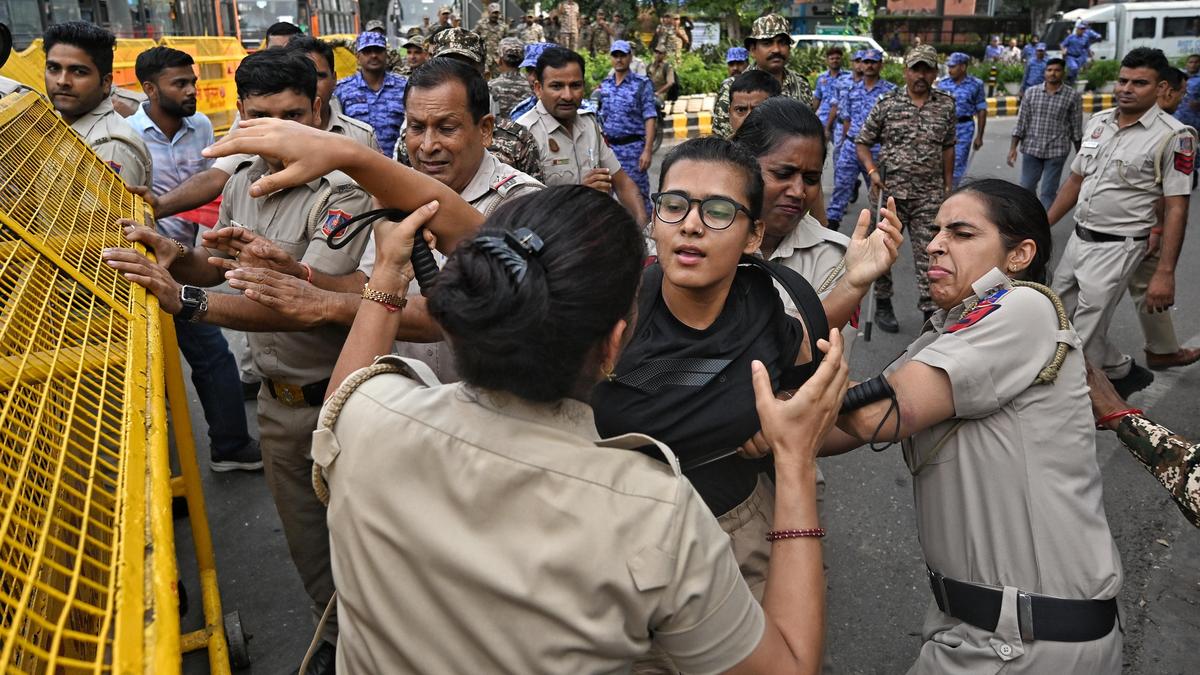
The Supreme Court on Tuesday directed the Union government and the Delhi Police to stop illegal detentions and allow free and smooth movement of people, traffic, as well as the operations of Metro and rail services, in response to protests against the Chief Election Commissioner (CEC) in the national capital. The order, issued amid escalating tensions, is explicitly “subject to law and public order,” leaving room for police discretion.
The protests, which erupted over demands related to the CEC’s conduct, have seen multiple detentions under preventive detention laws. The Supreme Court’s intervention follows petitions highlighting the misuse of such laws to curb dissent. While the court acknowledged the need to maintain public order, it stressed that detentions must not be arbitrary and that essential services must remain uninterrupted. Legal experts note that preventive detention laws, such as the National Security Act and Section 151 of the CrPC, allow detention without charge for up to three months, but require strict adherence to procedural safeguards.
The ruling has significant implications for the balance between state security and civil liberties in India. While the government has defended its actions as necessary to prevent unrest, rights groups have welcomed the court’s directive as a check on executive overreach. The Delhi Police has yet to issue a formal response, but compliance will be closely monitored. The next hearing on the matter is expected to address the broader legality of the detentions and the scope of the protests.



Comments (0)
No comments yet. Be the first to share your thoughts!
Leave a Comment