Spain Transport Minister Refuses to Resign After High-Speed Rail Crash Kills at Least 69
Spanish Transport Minister Óscar Puente has rejected calls for his resignation following a high-speed train collision earlier this week that killed at least 69 people. The crash, one of Spain's deadliest rail disasters in decades, has intensified scrutiny of rail safety oversight and political accountability. Puente's decision to remain in office sets up a confrontation with opposition parties and victims' groups demanding answers.
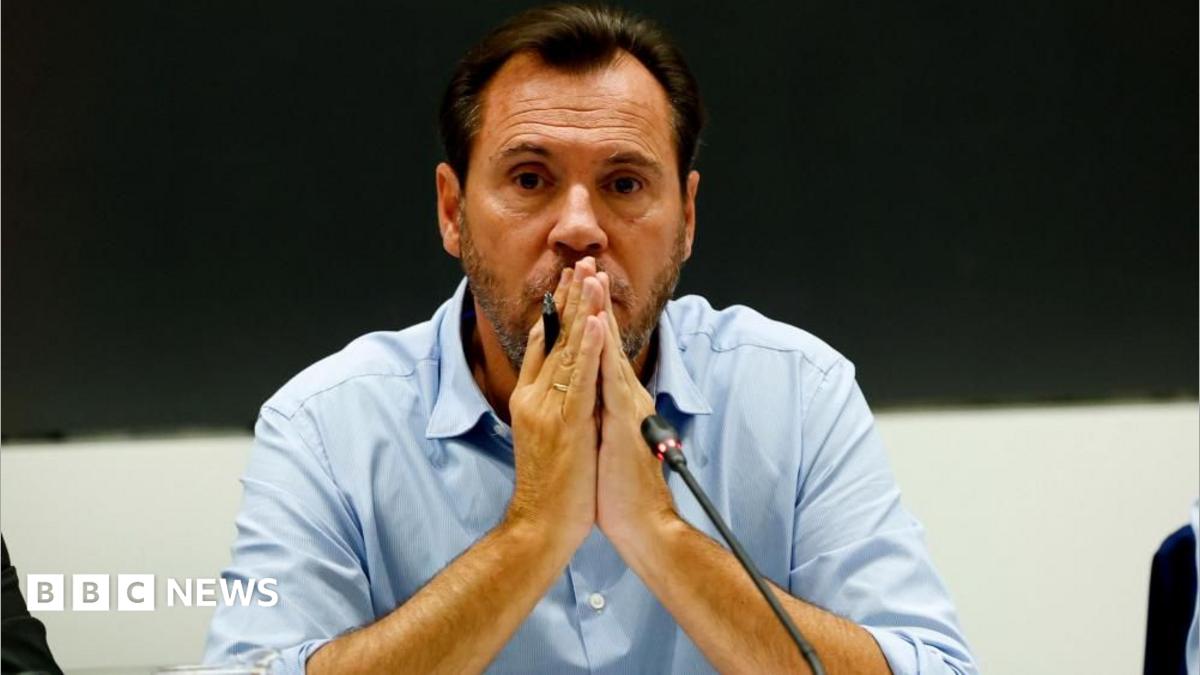
Spanish Transport Minister Óscar Puente said he will not resign despite mounting pressure over a high-speed rail collision earlier this week that killed at least 69 people, making it one of the country's deadliest train disasters in decades. Puente has faced calls to step down since the crash, which involved two high-speed trains, as opposition parties and victims' representatives demanded accountability for the failure.
The minister's refusal to leave office comes amid growing scrutiny of Spain's rail safety record and the government's oversight of the network. The collision, which occurred earlier in the week, has left dozens dead and raised urgent questions about signaling, infrastructure maintenance, and emergency response protocols. Puente has not indicated any intention to reverse his position, insisting he will remain in his post to oversee the investigation and response.
The standoff is likely to intensify political pressure on Spain's government, with opposition lawmakers expected to push for parliamentary hearings and possibly a no-confidence motion. Victims' families and rail unions are calling for an independent inquiry, while the government faces the challenge of restoring public confidence in a high-speed network that is among the most extensive in Europe. Next steps will hinge on the official investigation's findings and whether Puente can withstand sustained political pressure in the coming weeks.
Jaison M K is the Founder and Senior Tech Analyst at Incisor News. With an extensive background in digital media architecture, cloud computing, and semiconductor supply chains, he oversees editorial standards and directs technical reporting on sovereign silicon, artificial intelligence infrastructure, and the digital economy. Direct inquiries: jaison@incisornews.tech


Comments (0)
No comments yet. Be the first to share your thoughts!
Leave a Comment