Senate Democrats Sink Congressional Stock Trading Ban in 53-47 Cloture Vote
The Senate on Tuesday blocked a procedural motion to advance the Stop Insider Trading Act (H.R. 7008) by a vote of 53-47, falling short of the 60 votes needed to begin debate. The bill would have barred members of Congress, their spouses, and dependent children from making new purchases of publicly traded stocks, but Republicans attached a national photo voter ID mandate that Democrats rejected. The vote was widely seen as a midterm messaging exercise rather than a serious attempt to enact reform.
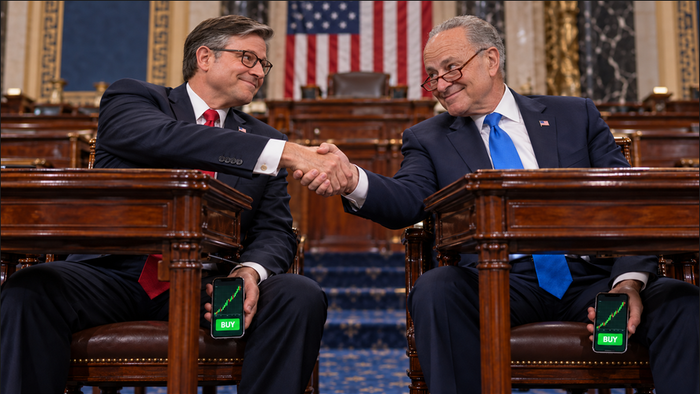
The U.S. Senate on Tuesday blocked a procedural motion to advance the Stop Insider Trading Act (H.R. 7008), a bill that would have prohibited members of Congress, their spouses, and dependent children from purchasing new publicly traded stocks. The cloture vote failed 53-47, short of the 60-vote threshold required to begin debate. Every Democrat opposed the measure, while Republicans unanimously supported it. The bill had previously passed the House on July 22 by a vote of 232-198, with 13 Democrats crossing party lines.
The legislation would have banned new stock purchases by lawmakers and their immediate families, required 7-to-14-day public notice before any sale, and imposed penalties of the greater of $2,000 or 10% of the trade value, plus forfeiture of profits. However, it did not mandate divestiture of existing holdings and excluded the president and vice president. Senate Republicans added a national photo voter ID provision—language lifted from the SAVE America Act—which Democrats condemned as a poison pill designed to force them into a politically difficult vote. Senate Minority Leader Chuck Schumer accused Republicans of 'skullduggery,' arguing the bill 'has no reform, no accountability, and no substance, and STILL allows members to own and sell stocks.'
The vote was widely viewed as a midterm messaging exercise ahead of the election recess. Senate Majority Leader John Thune scheduled it alongside a data-center ratepayer bill to provide political cover for vulnerable incumbents such as Nebraska Republican Pete Ricketts, who faces independent Dan Osborn. Osborn has criticized Ricketts over an estimated $10 million stock-market gain around last year's tariff turmoil. A stricter bipartisan proposal that would have mandated full divestiture remains stalled in committee, as the two parties remain divided over whether to include the executive branch. The STOCK Act's 30-to-45-day disclosure lag remains the law of the land, leaving the core conflict intact: lawmakers can still hold, vote on, and sell the stocks they regulate.


Comments (0)
No comments yet. Be the first to share your thoughts!
Leave a Comment