Delhi's Forgotten Villages: The Hidden Cost of Urban Expansion
Delhi's historic villages, integral to the city's urban fabric, have been transformed by colonial surveys, land acquisition, and rapid urbanisation. As the capital expands, preserving the heritage and living traditions of Delhi Dehat remains a pressing challenge.
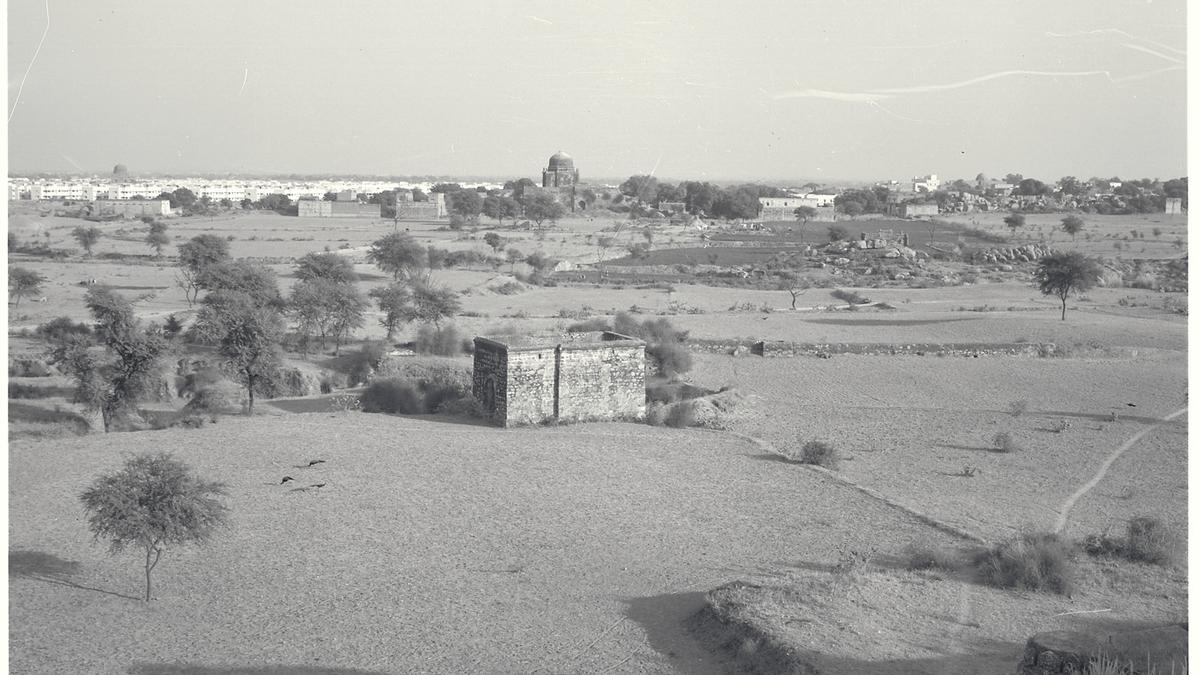
Delhi's forgotten villages, once the backbone of the city's urban history, are facing an existential threat as urbanisation continues to swallow their land and heritage. Colonial-era surveys, land acquisition policies, and relentless urban expansion have transformed these communities, erasing their traditional ways of life and leaving them marginalized in the modern capital.
The villages of Delhi Dehat, which predate the British Raj and even the Mughal era, were historically integral to the city's economy and culture. However, post-independence land reforms and subsequent development projects have systematically dispossessed villagers of their ancestral lands. According to historians, over 300 villages have been affected, with many residents forced to relocate or adapt to a rapidly changing urban landscape. 'These villages are living museums of Delhi's history, but they are being erased without a thought for their cultural value,' said a local heritage activist.
As Delhi expands further, the challenge of preserving these villages' heritage while accommodating modern infrastructure grows more urgent. Urban planners and heritage experts are calling for integrated conservation efforts that protect both the physical structures and the intangible traditions of Delhi Dehat. Without such measures, a vital part of Delhi's identity may be lost forever, with implications for how the city understands its own history and plans its future.





Comments (0)
No comments yet. Be the first to share your thoughts!
Leave a Comment