Karnataka Shakes Up Cauvery: Invokes Indus Treaty to Demand Water Reallocation
Karnataka has signaled its intent to revisit the Cauvery water allocation, referencing the Indus Water Treaty and the international legal principle of rebus sic stantibus. The state argues that changed circumstances warrant a renegotiation or adjudication of the inter-state water sharing agreement. This move could escalate tensions with Tamil Nadu and set a precedent for other water disputes in India.
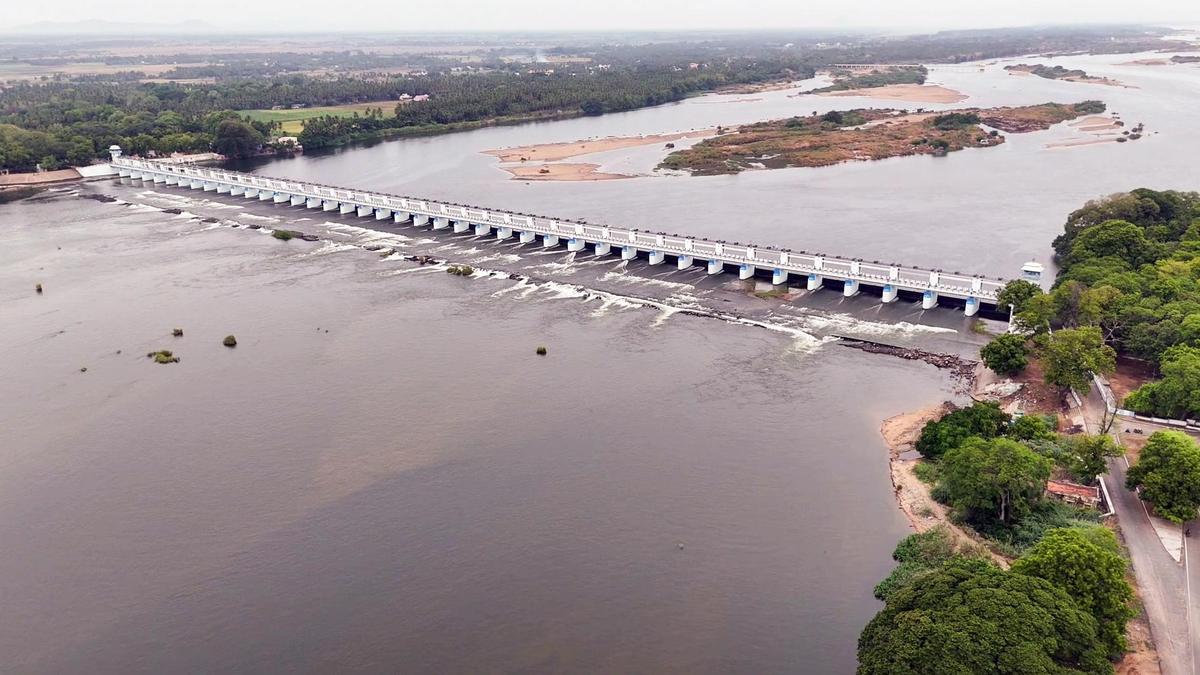
In a significant development, the Karnataka government has signaled its intention to revisit the Cauvery water allocation, pointing to the Indus Water Treaty as a precedent. The state's response invokes the international legal doctrine of rebus sic stantibus, which allows for the revision of treaties due to fundamentally changed circumstances. This move comes amid ongoing tensions with Tamil Nadu over the sharing of Cauvery river waters.
The Cauvery water dispute has been a long-standing issue between Karnataka and Tamil Nadu, with the Supreme Court in 2018 modifying the allocation to provide more water to Karnataka. However, Karnataka now argues that changed circumstances, including reduced rainfall and increased water demands, necessitate a fresh look at the allocation. By referencing the Indus Water Treaty, which governs water sharing between India and Pakistan, Karnataka is drawing a parallel to international practices for revisiting water-sharing agreements. The principle of rebus sic stantibus is not explicitly recognized in Indian domestic law, but Karnataka's invocation suggests a novel legal strategy.
This development could have far-reaching implications. If Karnataka pursues this path, it may lead to renewed legal battles with Tamil Nadu and potentially involve the central government. It could also set a precedent for other inter-state water disputes in India, encouraging states to seek renegotiation based on changed circumstances. The move is likely to be met with resistance from Tamil Nadu, which has consistently opposed any reduction in its allocated share. The next steps may involve Karnataka formally approaching the Cauvery Water Management Authority or the Supreme Court, while Tamil Nadu may challenge the invocation of international principles in a domestic dispute.



Comments (0)
No comments yet. Be the first to share your thoughts!
Leave a Comment