WHO Controls Prediction Markets? Federal and State Powers Collide
Kalshi, Polymarket and the Coalition for Prediction Markets spent at least $3 million on lobbying and political contributions in 2026, as the companies and state officials fight over who can regulate prediction markets. The platforms say their contra...
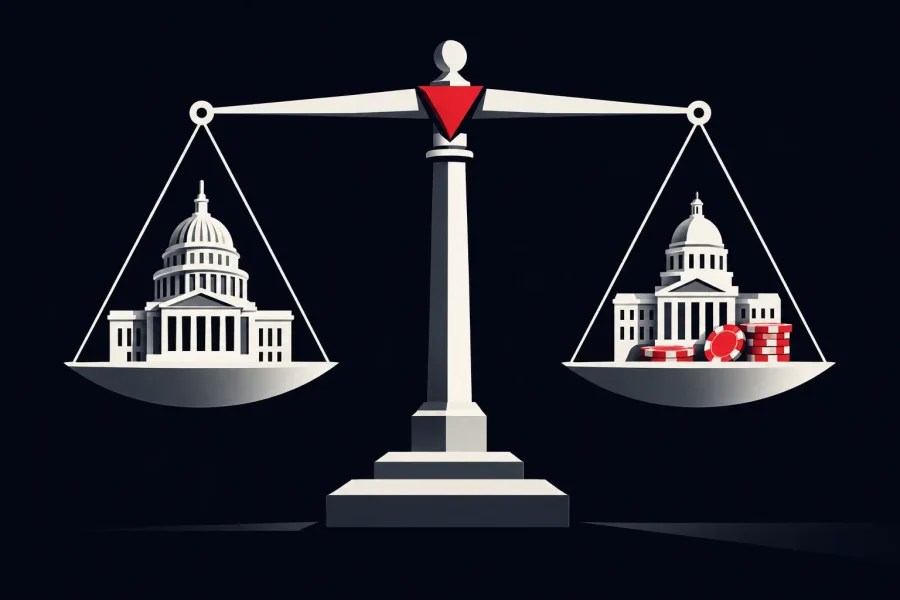
In a fast-moving development shaping the Technology landscape, Kalshi, Polymarket and the Coalition for Prediction Markets spent at least $3 million on lobbying and political contributions in 2026, as the companies and state officials fight over who can regulate prediction markets. Fresh reporting, according to dispatches from ReadWrite (Emerging Tech & Startups), underscores emerging structural shifts that are drawing scrutiny across industry circles.
Executive Key Takeaways
- Primary Signal: Kalshi, Polymarket and the Coalition for Prediction Markets spent at least $3 million on lobbying and political contributions in 2026, as the companies and state officials fight over who can regulate prediction markets.
- Contextual Driver: The platforms say their contracts fall under federal oversight, while states argue they are gambling products governed by state law.
- Strategic Outlook: The CFTC has sued states seeking to enforce gambling laws against prediction-market platforms, adding a federal dimension to the dispute.
Kalshi, Polymarket and the Coalition for Prediction Markets spent at least $3 million on lobbying and political contributions in 2026, as the companies and state officials fight over who can regulate prediction markets. The platforms say their contracts fall under federal oversight, while states argue they are gambling products governed by state law. The CFTC has sued states seeking to enforce gambling laws against prediction-market platforms, adding a federal dimension to the dispute. State officials have also organized to preserve their authority, including through a push for state control of prediction markets. Kalshi builds its lobbying footprint OpenSecrets’ review of filings found that Kalshi gave $147,500 to the Republican Attorneys General Association and $170,000 to the Democratic Attorneys General Association in the first half of 2026. It also contributed $100,000 to the Republican Governors Association and $150,000 to the Democratic Governors Association during that period. Kalshi had at least one registered lobbyist in 41 states as of September, with nearly all hired since April. Its disclosed California lobbying spending reached $62,000 in the first half of the year; in New York, payments to two outside lobbying groups and in-house lobbyist Blake Bee were projected to top $400,000 through July 2027. The company also spent nearly $1 million on federal lobbying through June 30. That included $240,000 paid to Miller Strategies and $120,000 to Lincoln Policy Group, while Polymarket spent $180,000 on federal lobbying in 2026. Kalshi co-founders Tarek Mansour and Luana Lopes Lara collectively contributed about $1 million to Democratic and Republican recipients during the election cycle, according to federal filings cited by OpenSecrets. Kalshi has disclosed lobbying on the Prediction Market Act, the Protect College Sports Act and the National Defense Authorization Act. The disclosure does not specify the company’s position on those bills; the NDAA provisions described in OpenSecrets’ reporting would address certain prediction-market transactions, trading by Defense Department personnel and bets on military operations. Federal and state authority remain contested The legal conflict has grown alongside prediction markets’ rapid expansion over the past two years. The platforms characterize their event contracts as swaps regulated by the CFTC, while states argue they operate like sportsbooks or casinos, which fall under state gambling laws. In July, 44 state attorneys general signed a letter to the CFTC opposing federal preemption of state gambling rules and describing prediction markets as a new kind of casino. Several lawsuits over the reach of state law have reached federal courts, and judges have split, leaving the question unresolved in the available reporting. Kalshi’s bipartisan contributions have drawn attention because state attorneys general are among the officials challenging the industry’s regulatory position. A company spokesperson told OpenSecrets that Kalshi supports candidates from both parties. Oregon Attorney General Dan Rayfield and Vermont Attorney General Charity Clark told local outlets that political donations had not influenced them. The wider federal scrutiny of prediction markets also includes an industry coalition. Kalshi joined Robinhood, Coinbase, Crypto.com and Underdog to launch the Coalition for Prediction Markets in December 2025; Polymarket is not a member. The coalition had paid $100,000 to federal lobbyists and spent $50,000 lobbying in California through June 30, according to the reporting. The central legal question remains open Kalshi’s state lobbying is concentrated in part on California and New York, where its disclosures cover legislation and work involving executive offices. OpenSecrets’ analysis said the broader state presence could help the company respond if courts ultimately allow states to regulate prediction markets as gambling; Polymarket had not registered state lobbyists at the time of the report. The dispute is moving through federal courts, but the reporting does not identify a filed Supreme Court petition or scheduled hearing. For now, the core question remains whether federal regulation displaces state gambling laws, while the companies continue lobbying at both levels and state officials press their case in court and in policy discussions. The post Who Controls Prediction Markets? Federal and State Powers Collide appeared first on ReadWrite.
Market & Strategic Implications
Beyond immediate headlines, market participants are weighing secondary effects. The intersection of capital allocations, regulatory scrutiny, and shifting macroeconomic postures continues to elevate risk sensitivity across comparable assets and jurisdictions.
As further clarity emerges in upcoming briefings, institutional observers emphasize unit economics, policy enforcement, and counterparty exposure as primary barometers for long-term trajectory.




Comments (0)
No comments yet. Be the first to share your thoughts!
Leave a Comment