Tokyo Imperial Palace East Gardens Open to Public: A Rare Glimpse Inside Japan's Royal Heart
Tokyo's Imperial Palace and its East Gardens remain a top cultural destination, offering visitors a rare window into Japan's imperial history and traditional landscapes. The site combines the current imperial residence with preserved Edo Castle ruins and meticulously maintained gardens. As tourism rebounds, the palace continues to symbolize Japan's blend of modern governance and ancient heritage.
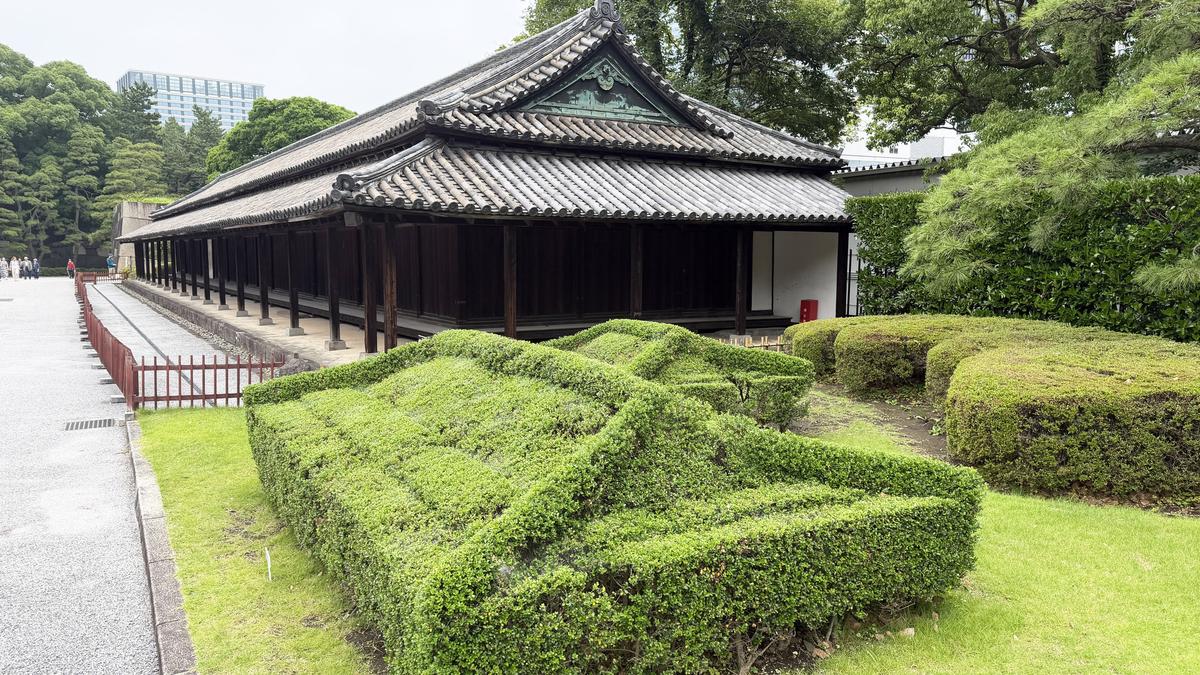
Tokyo's Imperial Palace and its East Gardens, located in the heart of the Japanese capital, remain a premier cultural and historical destination. The site, which includes the current residence of Japan's imperial family and the ruins of Edo Castle, draws millions of visitors annually. The East Gardens, in particular, offer public access to traditional Japanese landscapes and historical artifacts.
The Imperial Palace sits on the former site of Edo Castle, which was the seat of the Tokugawa shogunate until 1868. The East Gardens opened to the public in 1968 and feature the remains of the castle's central keep, stone walls, and moats, alongside seasonal flora. Managed by the Imperial Household Agency, the gardens are free to enter, though the inner palace grounds require guided tours. In 2019, the palace saw over 2 million visitors, with numbers rebounding post-pandemic.
The palace and gardens serve as a symbol of Japan's imperial heritage and its enduring cultural traditions. As international tourism continues to recover, the site's accessibility and historical significance make it a key attraction. Ongoing preservation efforts aim to balance public enjoyment with the protection of this national treasure, ensuring its legacy for future generations.




Comments (0)
No comments yet. Be the first to share your thoughts!
Leave a Comment