Thai Supreme Court Declares Bitcoin Property, Upholds 10-Year Sentence for Thief
Thailand's Supreme Court has ruled that bitcoin qualifies as property, citing its market price, cash-out capability and public holding, and upheld a 10-year prison sentence for a man who assisted robbers in the case. The decision establishes a legal precedent for treating cryptocurrency as a protected asset under Thai law.

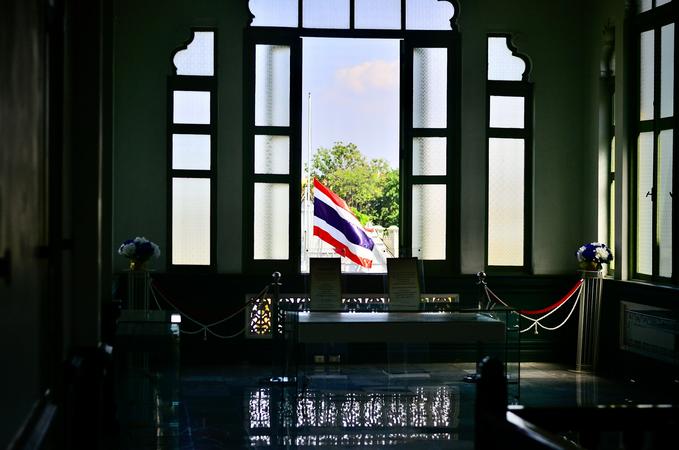
Thailand's Supreme Court has ruled that bitcoin constitutes property under Thai law, rejecting a challenge brought by a thief convicted in connection with a bitcoin robbery, and upheld a 10-year prison sentence for a man who helped carry out the theft. The court found that bitcoin has a market price, can be cashed out and can be held by members of the public, giving it the characteristics of a legally protected asset.
The ruling marks a significant moment for cryptocurrency jurisprudence in Thailand, where digital assets have increasingly been recognized by regulators but had not been definitively classified as property by the country's highest court. By affirming the conviction and sentence, the court signaled that crypto holdings will receive the same criminal-law protections as conventional assets, and that those who steal or facilitate the theft of bitcoin can face serious penalties.
The decision could influence how Thai courts and prosecutors handle future crypto-related disputes, including theft, fraud and inheritance cases, and may inform regulatory thinking as the country continues to develop its digital-asset framework. It also adds Thailand to a growing list of jurisdictions that have moved to formally recognize cryptocurrency as property, a classification with implications for taxation, bankruptcy and consumer protection.
Jaison M K is the Founder and Senior Tech Analyst at Incisor News. With an extensive background in digital media architecture, cloud computing, and semiconductor supply chains, he oversees editorial standards and directs technical reporting on sovereign silicon, artificial intelligence infrastructure, and the digital economy. Direct inquiries: jaison@incisornews.tech


Comments (0)
No comments yet. Be the first to share your thoughts!
Leave a Comment