Supreme Court: State Can Set National Song, But Cannot Prosecute Conscientious Objectors
The Supreme Court of India has ruled that while the state can designate a National Song, it cannot impose penal action on conscientious objectors. The court sought the Union government's response to a petition by Carnatic vocalist T.M. Krishna challenging the Prevention of Insults to National Honour (Amendment) Act, 2026.
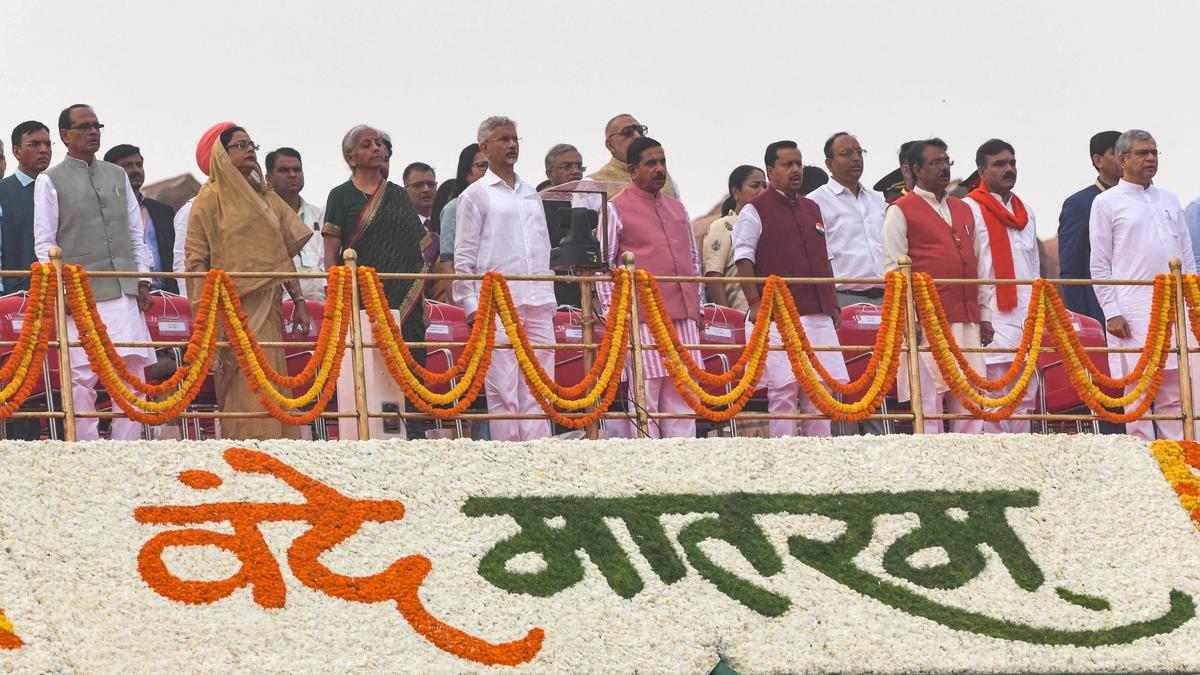
The Supreme Court of India on Tuesday observed that while the state has the authority to designate a National Song, it cannot impose penal consequences on conscientious objectors. The bench sought a response from the Union government on a petition filed by renowned Carnatic vocalist and author T.M. Krishna, who is challenging the constitutional validity of the Prevention of Insults to National Honour (Amendment) Act, 2026. The Act reportedly mandates the singing of the National Song in certain public settings and penalizes non-compliance.
The petition argues that the amendment violates fundamental rights, including the freedom of speech and expression and the right to conscience. T.M. Krishna, a prominent cultural figure and activist, has been a vocal critic of majoritarian cultural policies. The court's preliminary observation underscores the delicate balance between national symbols and individual liberties. The government now has the opportunity to justify the law's provisions, which it claims are necessary to uphold national honour.
The case is being closely watched as it could set a significant precedent for conscientious objection and free speech in India. Civil liberties groups have welcomed the court's stance, while supporters of the law argue it is essential for national unity. The next hearing is expected to address the government's response and potentially examine the Act's constitutional validity. The outcome may influence similar debates in other democracies grappling with the limits of patriotic expression.

Comments (0)
No comments yet. Be the first to share your thoughts!
Leave a Comment