River Interlinking Sparks Invasive Species Crisis in India
India's river interlinking project could facilitate the spread of invasive alien species and aquatic pathogens from the Lower Ganga basin to other river systems like the Mahanadi, endangering native biodiversity. The Lower Ganga hosts 13-15 invasive species, and the Mahanadi is home to 69 threatened species, raising concerns about ecological homogenization and species loss.
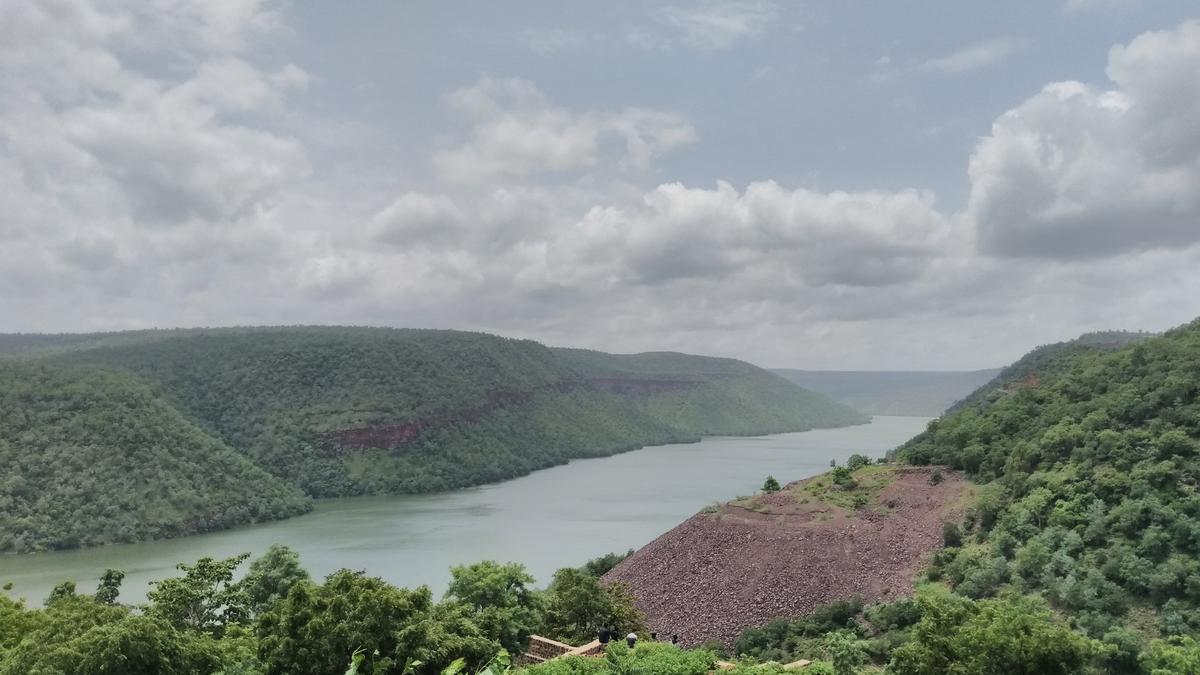
India's ambitious river interlinking project, designed to address water scarcity by connecting major rivers, may inadvertently accelerate the spread of invasive alien species and aquatic pathogens, according to recent findings. The Lower Ganga basin, which hosts 13-15 invasive species, could become a primary source of these invasives for the Mahanadi river system, home to 69 threatened species.
The river interlinking project aims to transfer water from surplus to deficit basins through a network of canals and reservoirs. However, scientists warn that these water connections could also serve as conduits for invasive species and pathogens, flattening the unique biota that individual river basins currently boast. The Lower Ganga's invasive species, if introduced to the Mahanadi, could outcompete native species, leading to biodiversity loss and ecosystem disruption.
The implications extend beyond ecology, potentially affecting fisheries, agriculture, and local livelihoods. While the government has not yet responded to these concerns, experts urge comprehensive environmental impact assessments and mitigation measures before further implementation. Global conservationists are watching closely, as similar inter-basin water transfer projects worldwide have had mixed ecological outcomes.



Comments (0)
No comments yet. Be the first to share your thoughts!
Leave a Comment