Rare 1,200-Year-Old Gajalakshmi Sculpture Left to Rot in Telangana Field
A rare Gajalakshmi sculpture from the Rashtrakuta period has been found in a state of neglect in Telangana's Medak district. The idol, estimated to be over 1,200 years old, was discovered in an open field, raising concerns about the protection of India's ancient heritage. Local historians and activists are demanding immediate action to preserve the artifact.
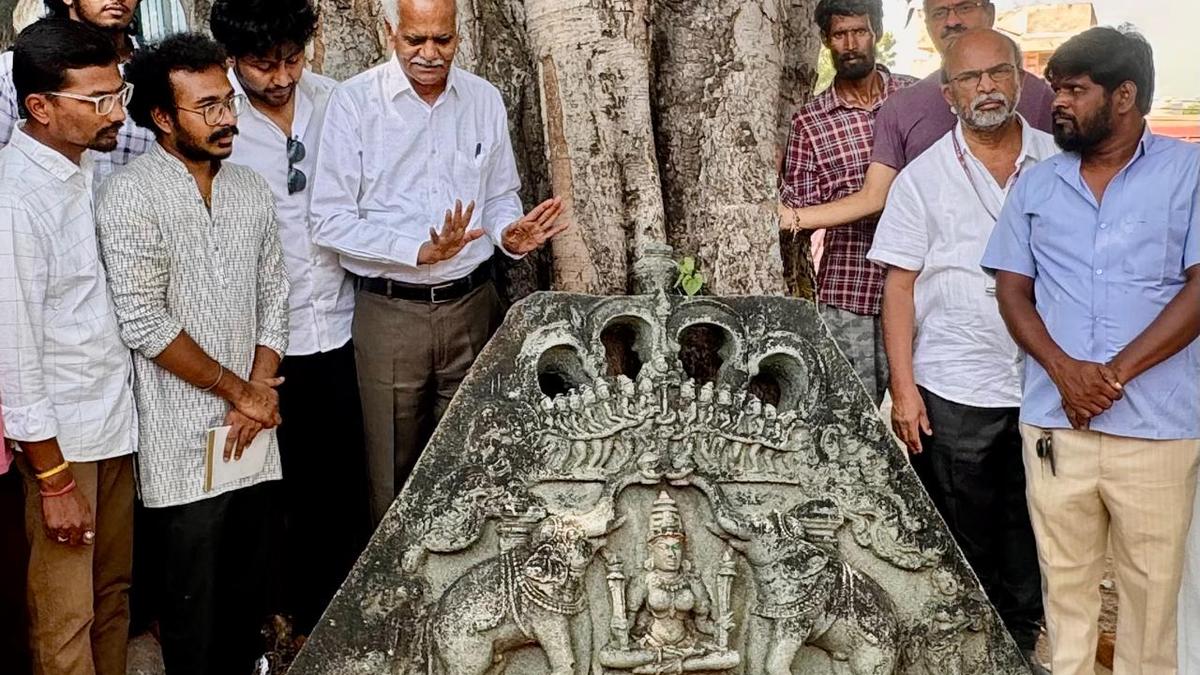
A rare sculpture of Gajalakshmi, dating back to the Rashtrakuta period (8th-10th century CE), has been discovered in a state of severe neglect in Telangana's Medak district. The idol, which depicts the goddess Lakshmi flanked by elephants, was found lying in an open field, exposed to the elements and vulnerable to theft or further damage. Local residents and heritage enthusiasts have expressed shock and dismay over the condition of the ancient artifact.
The Rashtrakuta dynasty, known for its patronage of art and architecture, ruled large parts of the Deccan and central India between the 8th and 10th centuries. The Gajalakshmi motif is a common theme in Hindu iconography, symbolizing prosperity and abundance. According to local historians, the sculpture is a significant find that could shed light on the region's rich cultural past. However, its neglect highlights the broader issue of inadequate protection for India's vast and often undocumented heritage. "This is a priceless artifact that should be in a museum or a protected site, not abandoned in a field," said a local archaeologist, requesting anonymity.
The discovery has sparked calls for immediate intervention by the Archaeological Survey of India (ASI) and the Telangana Department of Archaeology. Activists are urging authorities to retrieve the sculpture, conduct a proper archaeological survey of the area, and ensure its preservation. The incident also raises questions about the effectiveness of heritage conservation policies in India, where many ancient sites and artifacts remain unprotected. As pressure mounts, officials are expected to inspect the site and decide on the next steps, which may include moving the idol to a museum or installing security measures.

Comments (0)
No comments yet. Be the first to share your thoughts!
Leave a Comment