Nobel-Winning Optogenetics Sparks New Frontier in Hyderabad Parasite Research
Nishith Gupta, professor of Biological Sciences at BITS Pilani, highlighted the transformative role of optogenetics—a Nobel Prize-winning technique—in advancing parasite research at a Hyderabad laboratory. The connection from Berlin to BITS Pilani underscores how light-based intervention is enabling precise cause-and-effect studies in parasitology, potentially leading to new treatments for parasitic diseases.
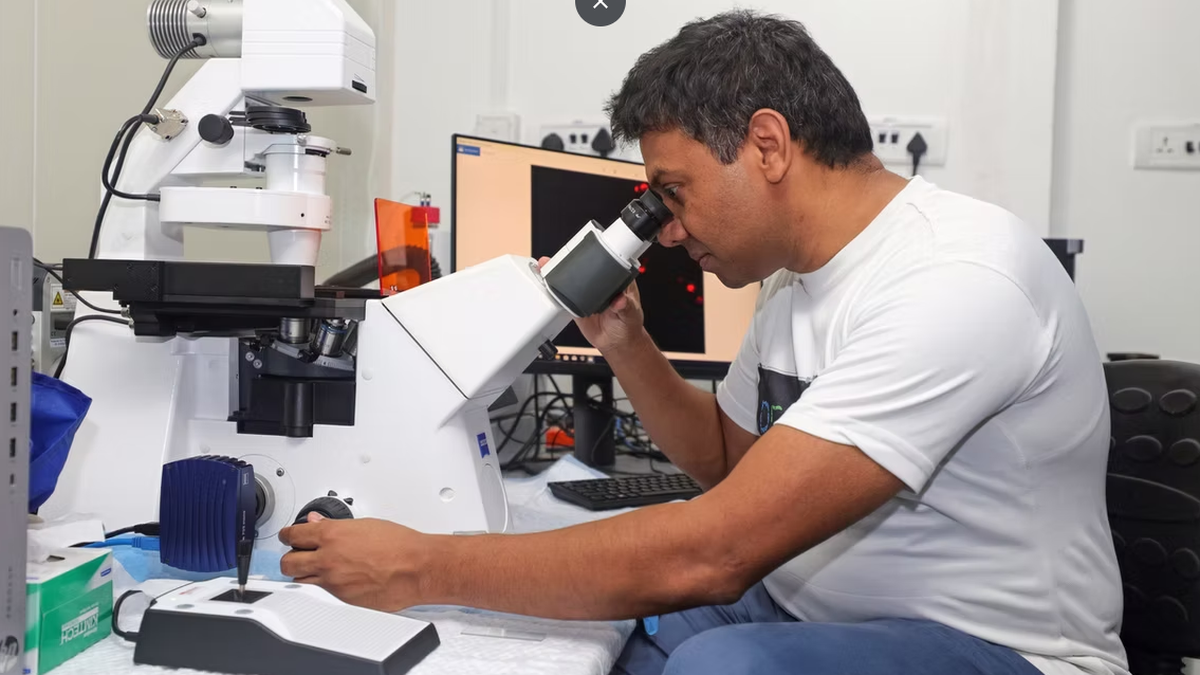
In a significant development bridging Nobel Prize-winning technology and infectious disease research, Professor Nishith Gupta of BITS Pilani has underscored how optogenetics—a technique that uses light to control cells—is being applied to parasite research in Hyderabad. The connection from Berlin, where optogenetics was pioneered, to BITS Pilani highlights India's growing role in advanced biological interventions.
Optogenetics, which earned the 2010 Nobel Prize in Chemistry, allows scientists to manipulate specific biological processes with light, moving beyond observation to active intervention. Professor Gupta, a professor of Biological Sciences, noted that this approach enables precise testing of cause-and-effect relationships in parasites, potentially unlocking new ways to combat diseases that affect millions globally. The research in Hyderabad represents a direct application of this revolutionary method to parasitology, a field where traditional methods have struggled to isolate gene function.
The implications are profound: optogenetics could accelerate drug discovery and vaccine development for parasitic infections such as malaria and leishmaniasis. As India invests in biotechnology infrastructure, this collaboration between global scientific breakthroughs and local research exemplifies the country's rising stature in life sciences. Next steps likely involve expanding the use of optogenetic tools in Indian laboratories and fostering international partnerships to translate findings into clinical solutions.



Comments (0)
No comments yet. Be the first to share your thoughts!
Leave a Comment