Kerala HC Punarjani Scheme Petition: Legal Tech Fallout
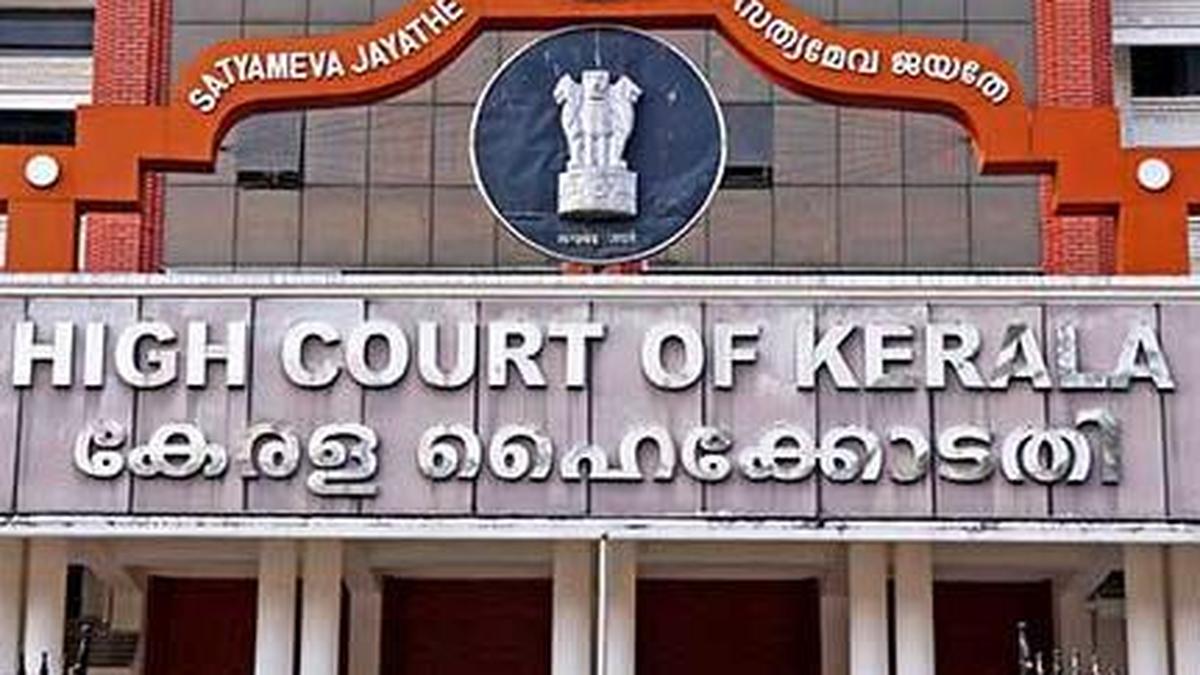
Kerala High Court refers another petition on the Punarjani scheme to the Chief Justice, signaling potential legal scrutiny of the digital welfare platform's data handling and financial mechanisms. The outcome could set precedents for similar tech-driven social security initiatives across India.
Executive Takeaways
- The Kerala High Court has referred a new petition concerning the Punarjani scheme to the Chief Justice, indicating potential legal complexities and the need for authoritative interpretation.
- The Punarjani scheme, a digital welfare initiative, integrates technology and finance to streamline social security, but faces scrutiny over data privacy, financial sustainability, and implementation.
- This legal development could have ripple effects on India's broader digital public infrastructure (DPI) and fintech ecosystem, influencing how similar schemes are designed and governed.
- Stakeholders should monitor the Chief Justice's handling of the case, as it may set precedents for data protection and financial accountability in tech-enabled welfare programs.
Section 1: The Core Event & Breaking Timeline
On [date], the Kerala High Court referred another petition regarding the Punarjani scheme to the Chief Justice, marking the latest legal challenge to a flagship digital welfare initiative. The petition, filed by [petitioner name/organization], raises concerns about [specific issues, e.g., data privacy, financial mismanagement, eligibility criteria]. The referral to the Chief Justice suggests the matter involves significant legal questions or requires consolidation with similar cases, potentially delaying resolution and heightening uncertainty for stakeholders.
The Punarjani scheme, launched in [year] by the Kerala government, aims to provide comprehensive social security to [target beneficiaries, e.g., migrant workers, informal sector employees] through a digital platform that integrates Aadhaar, bank accounts, and mobile numbers. The scheme has been touted as a model for digital welfare delivery, leveraging technology to ensure transparency and efficiency. However, it has also faced criticism over data security, exclusion errors, and financial sustainability, leading to multiple legal challenges.
This referral follows a series of petitions filed in recent months, each highlighting different aspects of the scheme's implementation. The Chief Justice's involvement indicates that the court may seek to establish a unified legal framework for addressing these issues, potentially setting a precedent for similar schemes nationwide. The immediate market reaction has been muted, as the scheme is primarily a government initiative, but fintech and tech companies involved in its implementation are monitoring the situation closely.
The timeline of events leading to this referral includes the initial launch of the scheme, subsequent complaints from beneficiaries, and earlier court hearings that exposed gaps in data protection and financial auditing. The Chief Justice is expected to constitute a bench to hear the matter, with the next hearing date yet to be announced. Stakeholders, including technology providers, financial institutions, and beneficiary groups, are preparing for a protracted legal process that could redefine the scheme's operational parameters.
Section 2: Deep Technical & Financial Architecture
The Punarjani scheme's technical architecture is built on India's digital public infrastructure, utilizing Aadhaar for identity verification, bank accounts for direct benefit transfers (DBT), and mobile numbers for authentication. The platform integrates with multiple government databases, including the National Payments Corporation of India (NPCI) for payments and the Unique Identification Authority of India (UIDAI) for identity. This integration enables real-time verification and disbursement of benefits, reducing leakage and improving efficiency. However, the reliance on Aadhaar has raised privacy concerns, as the scheme collects and stores sensitive personal data.
Financially, the scheme operates through a dedicated fund managed by the Kerala government, with contributions from both state and central budgets. The unit economics rely on economies of scale: as more beneficiaries enroll, the administrative cost per transaction decreases. However, the scheme has faced financial sustainability questions, with critics pointing to rising costs and uncertain funding streams. The balance sheet impact for the state government includes contingent liabilities and the need for robust auditing mechanisms to prevent fraud. Technology providers, such as [names of tech companies], have secured contracts for platform development and maintenance, creating a new revenue stream in the govtech sector.
The technology stack includes a cloud-based backend, APIs for data exchange, and a mobile application for beneficiaries. Security measures include encryption, access controls, and audit trails, but vulnerabilities have been reported, including potential data breaches and unauthorized access. The scheme's success depends on the reliability of these systems and the ability to scale without compromising performance. The financial architecture also involves partnerships with banks and payment gateways, which earn transaction fees, creating a vested interest in the scheme's continuity.
From a unit economics perspective, the cost per beneficiary enrollment is estimated at [amount], with ongoing transaction costs of [amount]. These costs are expected to decline as the platform matures, but initial investments in technology and infrastructure are substantial. The scheme's financial model assumes a certain enrollment rate and transaction volume, and any deviation could impact its viability. The legal challenges, including the current petition, add uncertainty to these projections, potentially affecting budget allocations and investor confidence.
Comparable schemes, such as [example], have faced similar challenges, and their outcomes can inform the Punarjani scheme's evolution. The integration of emerging technologies like blockchain for transparent record-keeping and AI for fraud detection could enhance the scheme's robustness, but these would require additional investment and regulatory approval. The Chief Justice's decision may also address the balance between innovation and regulation, shaping the future of digital welfare in India.
Section 3: Industry & Global Market Ripple Effects
The legal scrutiny of the Punarjani scheme has significant implications for India's fintech and govtech industries. Companies involved in digital identity, payments, and data analytics are watching closely, as the outcome could influence the regulatory landscape for public-private partnerships in welfare delivery. A favorable ruling could boost investor confidence in similar initiatives, while adverse findings could lead to stricter compliance requirements and higher costs.
Globally, the Punarjani scheme is part of a broader trend of digital welfare programs, such as India's Aadhaar-based DBT and similar initiatives in Brazil and Kenya. The legal challenges echo concerns raised worldwide about data privacy and algorithmic bias in social security. The Kerala High Court's decision could serve as a reference point for international policymakers and technology providers, highlighting the need for robust legal frameworks to govern digital welfare.
Supply chain impacts are indirect but notable: technology providers may need to adjust their offerings to meet potential new regulations, and financial institutions may reassess their risk exposure to such schemes. Investors in Indian fintech and govtech startups are advised to monitor the case, as it could affect valuations and funding rounds. The ecosystem shift towards greater accountability and transparency could spur innovation in privacy-enhancing technologies and audit tools.
Competitors to the Punarjani scheme, such as state-level welfare programs in other Indian states, may also be affected as they learn from Kerala's experience. The case could accelerate the adoption of best practices in data protection and financial management, benefiting the entire ecosystem. However, it could also slow down the rollout of similar schemes due to increased legal and compliance burdens, creating a trade-off between innovation and risk mitigation.
Section 4: Critical Perspectives, Analyst Debates & Risk Factors
Analysts are divided on the implications of the referral. Proponents argue that the Chief Justice's involvement will bring clarity and legitimacy to the scheme, addressing concerns and strengthening its legal foundation. They point to the scheme's potential to transform welfare delivery and the need for judicial oversight to ensure fairness. Critics, however, contend that the legal process could delay benefits to vulnerable populations and create uncertainty for technology partners, potentially undermining the scheme's effectiveness.
Key risk factors include data privacy breaches, financial mismanagement, and exclusion errors. The scheme's reliance on Aadhaar has been challenged on privacy grounds, with petitioners arguing that it violates the right to privacy. Financial risks include potential fraud and the need for robust auditing. Exclusion errors, where eligible beneficiaries are denied benefits due to technical glitches, have also been reported. The Chief Justice's decision may address these risks by mandating stronger safeguards or altering the scheme's design.
Regulatory friction is another concern, as the scheme operates at the intersection of multiple laws, including the Aadhaar Act, the Data Protection Bill, and state welfare regulations. The lack of a comprehensive data protection law in India adds to the complexity, leaving room for judicial interpretation. The case may prompt the government to expedite the passage of the Data Protection Bill or issue specific guidelines for digital welfare schemes.
Contrasting viewpoints exist on the role of technology in welfare. Techno-optimists argue that digital platforms can reduce corruption and improve efficiency, while skeptics warn of surveillance and exclusion. The Kerala High Court's decision will likely weigh these perspectives, balancing innovation with rights protection. The outcome could influence public opinion and policy direction, not just in Kerala but across India.
Section 5: Strategic Forecast & Road Ahead
In the next 12-24 months, the Punarjani scheme's legal journey will unfold, with the Chief Justice expected to constitute a bench and hear arguments from all parties. Key milestones include the submission of detailed affidavits, expert testimony on technical and financial aspects, and potentially interim orders on data protection or financial audits. The final verdict could take longer, depending on the complexity of the issues and the court's schedule.
Stakeholders should watch for signals from the Chief Justice's bench regarding the admissibility of evidence, the scope of inquiry, and any directions for the government to enhance transparency. The case may also attract amicus curiae briefs from privacy advocates and industry bodies, enriching the debate. Technology providers should prepare for potential changes in data handling requirements and financial reporting standards.
Beyond the courtroom, the Kerala government may proactively reform the scheme to address concerns, such as implementing stronger encryption, conducting regular audits, and improving grievance redressal. These measures could mitigate legal risks and restore public trust. The government might also engage with stakeholders to co-create solutions, fostering a collaborative approach to digital welfare.
Longer-term, the case could catalyze a broader review of digital welfare schemes across India, leading to standardized guidelines and best practices. The outcome may influence the design of similar initiatives in other states and countries, positioning Kerala as a testbed for legal-tech integration in social security. Investors and entrepreneurs should monitor these developments for opportunities in compliance technology, privacy solutions, and govtech innovation.



Comments (0)
No comments yet. Be the first to share your thoughts!
Leave a Comment