How advanced tech is reshaping property due diligence in New Zealand's housing market
New Zealand's building inspection industry is being transformed by drones, thermal imaging, and LiDAR, which can detect hidden defects in homes before purchase. This technology reduces post-settlement surprises for buyers and could lead to more transparent property transactions.

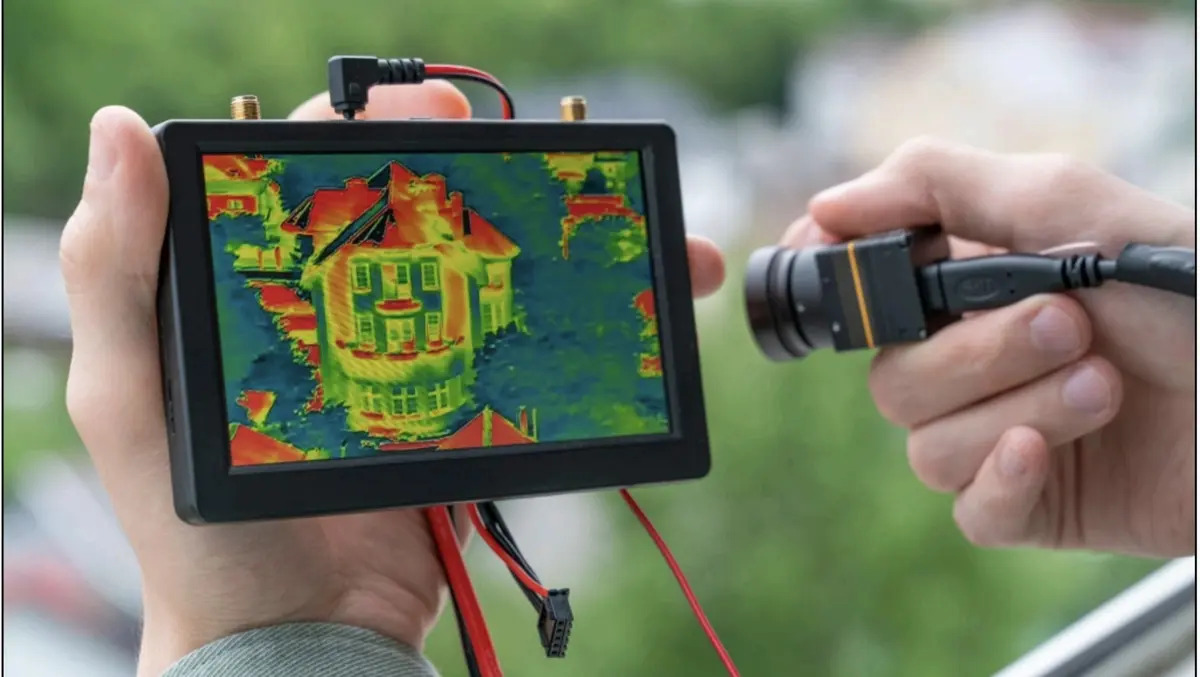
In New Zealand, a technological revolution is underway in the building inspection sector, with drones, thermal imaging cameras, and LiDAR scanners being deployed to uncover hidden defects in residential properties. These tools allow inspectors to detect issues such as moisture ingress, insulation gaps, and structural flaws that are often invisible to the naked eye, providing buyers with a more comprehensive understanding of a property's condition before settlement.
Traditionally, building inspections in New Zealand relied on visual assessments, which could miss problems behind walls or under floors. The adoption of drones enables aerial surveys of roofs and hard-to-reach areas, while thermal imaging reveals temperature anomalies indicative of leaks or poor insulation. LiDAR technology creates precise 3D models of a building's structure, identifying deviations and potential structural weaknesses. Industry experts note that these methods not only enhance accuracy but also reduce inspection time and cost. According to local inspectors, early adopters have reported a significant decrease in post-settlement disputes, as buyers are better informed about necessary repairs.
The implications for the New Zealand housing market are profound. As these technologies become more accessible, they could become standard practice, fostering greater transparency and trust between buyers and sellers. This shift may also influence property valuations and insurance premiums, as hidden defects are brought to light. While the initial investment in equipment may be high, the long-term benefits of avoiding costly surprises are likely to drive widespread adoption. Next steps include calls for industry standards and training to ensure consistent use of these tools, with potential regulatory oversight to protect consumers.
Vinod V is a senior reporter and analyst covering economics, markets and finance. He tracks stock markets, banking, budgets, inflation, trade and corporate developments, and explains what they mean for investors, businesses and households, he writes for Incisor News, where he turns complex numbers and policy decisions into clear, practical insight. His reporting is built on data, verification and independent analysis.




Comments (0)
No comments yet. Be the first to share your thoughts!
Leave a Comment