Gandhi's Political Re-Emergence Ignites India's Opposition: A Nationwide Churn for Accountability
Rahul Gandhi has re-emerged as a central figure in India's opposition politics, signaling a broader political churn driven by protests, citizen action, and demands for greater accountability. Despite attempts to diminish his legacy, his emphasis on bottom-up political change remains relevant, fueling new movements for systemic reform.
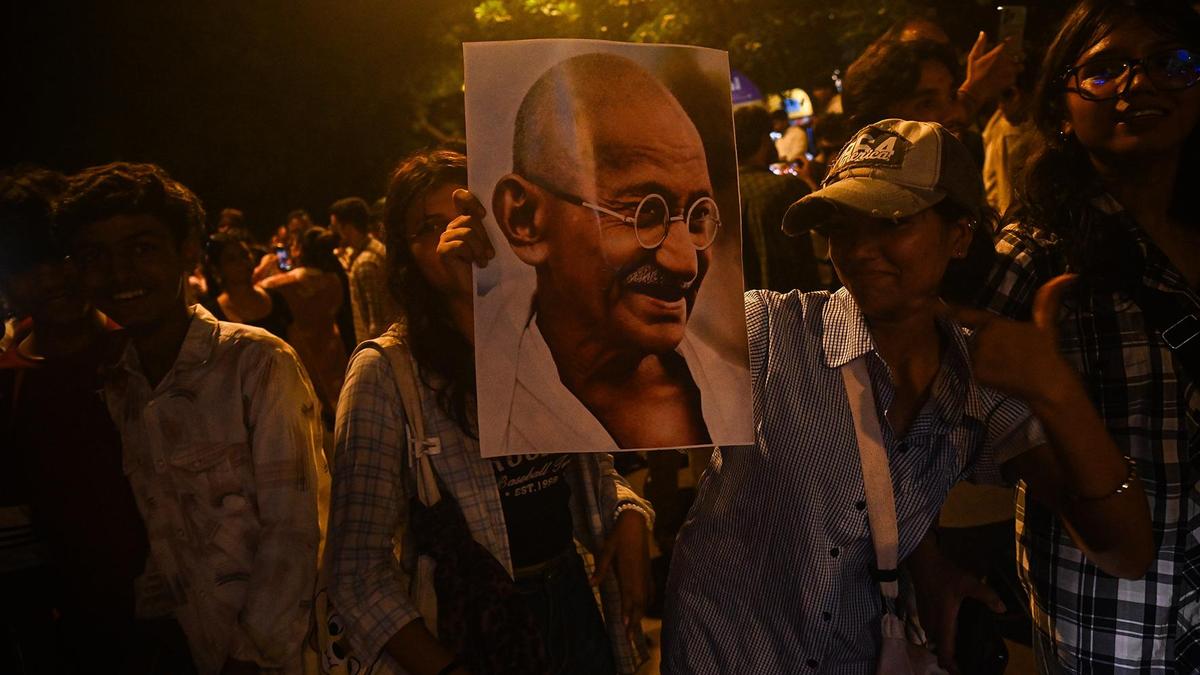
Rahul Gandhi has returned to the forefront of India's opposition politics, marking a significant shift in the country's political landscape. His re-emergence comes amid a wave of protests, citizen-led initiatives, and new political movements demanding greater accountability and systemic change across the nation.
Gandhi's renewed prominence reflects a wider churn in Indian politics, where grassroots activism is increasingly challenging established power structures. Despite sustained efforts by political rivals to diminish his legacy, his advocacy for bottom-up political change continues to resonate with large segments of the population, particularly among youth and marginalized communities. Recent protests and citizen actions have underscored a growing demand for transparency and reform, with Gandhi often positioned as a unifying figure for opposition forces.
The implications of Gandhi's resurgence extend beyond party lines, potentially reshaping the opposition's strategy ahead of upcoming elections. Global observers are closely watching India's political dynamics, as the push for accountability could influence policy debates and governance models. Next steps include intensified mobilization efforts and possible alliances among opposition parties, setting the stage for a more contested political environment in the world's largest democracy.


Comments (0)
No comments yet. Be the first to share your thoughts!
Leave a Comment