Europe's Hottest Summer on Record: 21.7°C Heat Fails to Melt Fossil Fuel Addiction
Western Europe experienced its hottest summer on record in 2026, with average temperatures reaching 21.7°C (71°F) and river flows dropping to their lowest levels in over thirty years, according to the European Copernicus service. Despite these alarming climate indicators, European Union member states have continued to invest in fossil fuels, prompting criticism that political action remains insufficient.
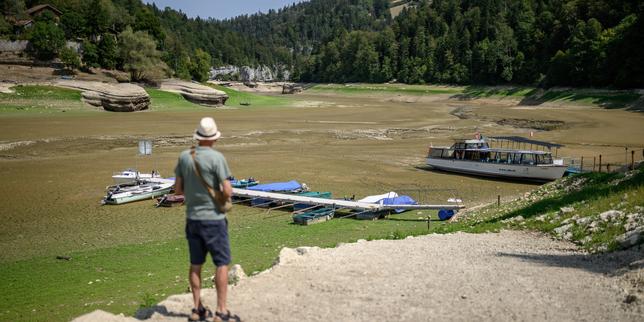
Western Europe has just endured its hottest summer on record, with average temperatures reaching 21.7°C (71°F), according to data released by the European Copernicus climate service. The unprecedented heat was accompanied by river flows dropping to their lowest levels in more than thirty years, exacerbating drought conditions across the region.
The Copernicus figures, which confirm a trend of escalating climate extremes, come amid mounting scientific consensus that human-induced global warming is intensifying. Yet despite these stark warnings, European Union member states have continued to pour investments into fossil fuels, undermining their own climate commitments. The disparity between the record-breaking heat and the lack of decisive political action has drawn sharp criticism from environmental groups and climate scientists.
The implications are profound: without a rapid shift away from fossil fuels, Europe faces increasingly severe heatwaves, water shortages, and ecological disruption. The coming months will test whether EU leaders can translate climate awareness into concrete policy measures, or whether the summer of 2026 will be remembered as another missed opportunity.





Comments (0)
No comments yet. Be the first to share your thoughts!
Leave a Comment