El Niño Alert: Mozambique Ranked Among Africa's Most Vulnerable as Southern Africa Braces for Drought and Heatwaves
Mozambique has been identified as one of the African countries most vulnerable to the impacts of El Niño, which is forecast to bring severe heatwaves, below-normal rainfall, and heightened drought risks across Southern Africa. The weather phenomenon threatens food security and livelihoods in a region already grappling with climate shocks.
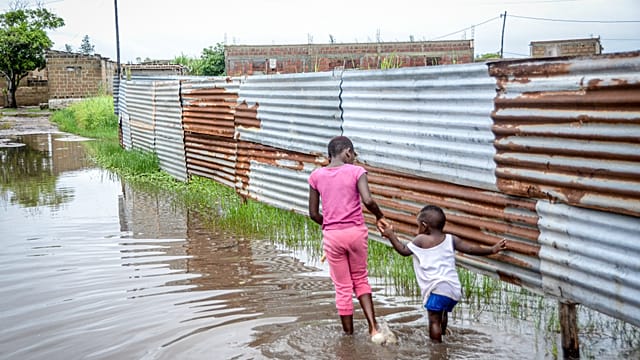
Mozambique has been ranked as one of the most vulnerable African countries to the impacts of El Niño, a powerful weather system projected to bring severe heatwaves, below-normal rainfall, and heightened drought risks across Southern Africa. The warning comes as the region prepares for the potentially devastating consequences of the climate pattern, which can disrupt agriculture, water supplies, and food security.
El Niño, characterized by warmer-than-average sea surface temperatures in the central and eastern Pacific Ocean, typically leads to drier conditions in Southern Africa. Mozambique, still recovering from recent cyclones and flooding, is particularly at risk due to its reliance on rain-fed agriculture and limited adaptive capacity. While specific figures were not provided in the initial report, past El Niño events have caused significant crop failures and livestock losses in the region.
The projected impacts underscore the urgent need for humanitarian preparedness and climate resilience measures. International organizations and local authorities are likely to ramp up monitoring and early warning systems, but funding gaps and infrastructure challenges remain. As global attention focuses on climate adaptation, Mozambique's plight highlights the disproportionate burden on developing nations facing extreme weather events.





Comments (0)
No comments yet. Be the first to share your thoughts!
Leave a Comment