Digital Trust Trap: UPI Power Users Most Likely to Be Cybercrime Victims, SPIR 2026 Finds
A new SPIR 2026 report reveals a paradox in India's digital payment ecosystem: individuals who trust online banking the most and use UPI most frequently are more likely to fall victim to cybercrime. Fraud networks exploit this trust through deceptive schemes, fake apps, and 'digital arrest' scams, leaving even the most digitally engaged Indians exposed.
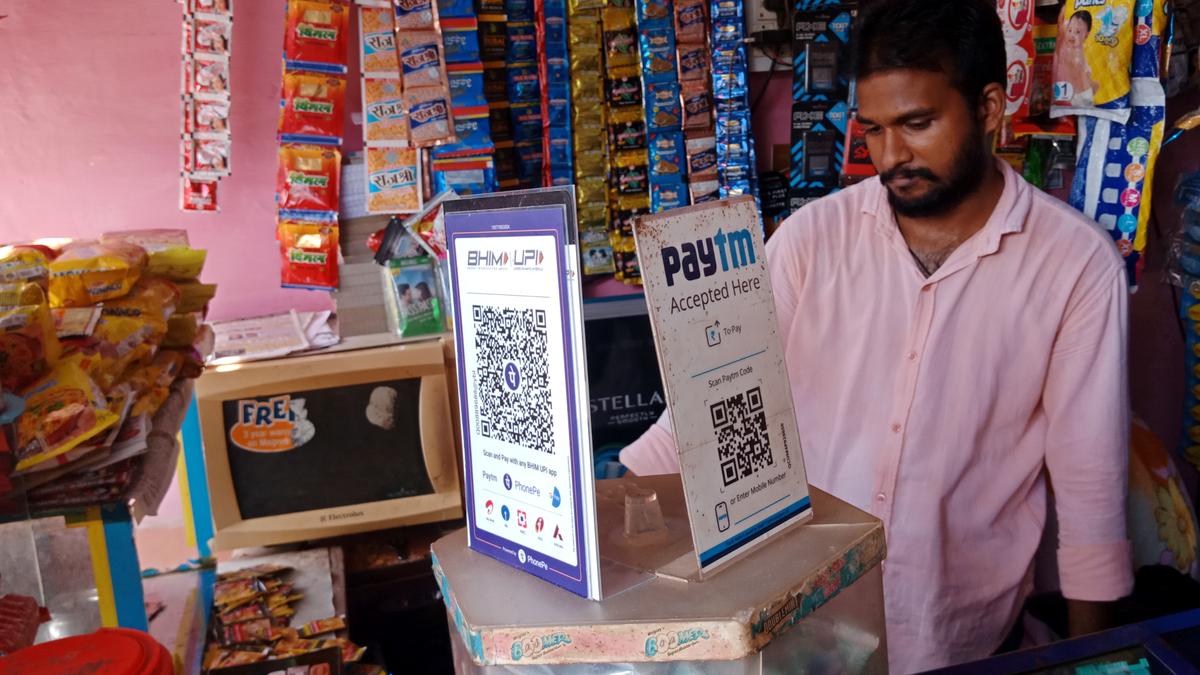
Indians who trust online banking the most and use Unified Payments Interface (UPI) most frequently are more likely to become victims of cybercrime, according to a new report from SPIR 2026 released on Tuesday. The study, which surveyed digital payment habits across India, identifies a troubling paradox: the very trust that drives UPI adoption is being weaponized by fraud networks through deceptive schemes, fake apps, and 'digital arrest' scams.
The report highlights that UPI has become a trusted and frequently used payment mode in India, but this trust has created a vulnerability. Fraudsters exploit users' confidence in digital transactions, using sophisticated tactics to extract money and personal information. The findings underscore the need for enhanced cybersecurity measures and user education as digital payments continue to surge.
The implications are significant for India's digital economy, which relies heavily on UPI. Experts call for stricter regulations, improved fraud detection, and public awareness campaigns to protect users. The report's release comes amid growing concerns over cybercrime, with authorities urged to take immediate action to safeguard millions of Indians who rely on digital payments daily.




Comments (0)
No comments yet. Be the first to share your thoughts!
Leave a Comment