Crypto Markets in Focus: North Dakota’s Roughrider Coin Goes Live on Fiserv and Solana Amid Shifting On-Chain Metrics
Milwaukee-based Fiserv announced on October 1 that its digital asset platform is live with financial institutional clients, and Bank of North Dakota’s Roughrider Coin is the first product running on it. The dollar-backed stablecoin settles on S...
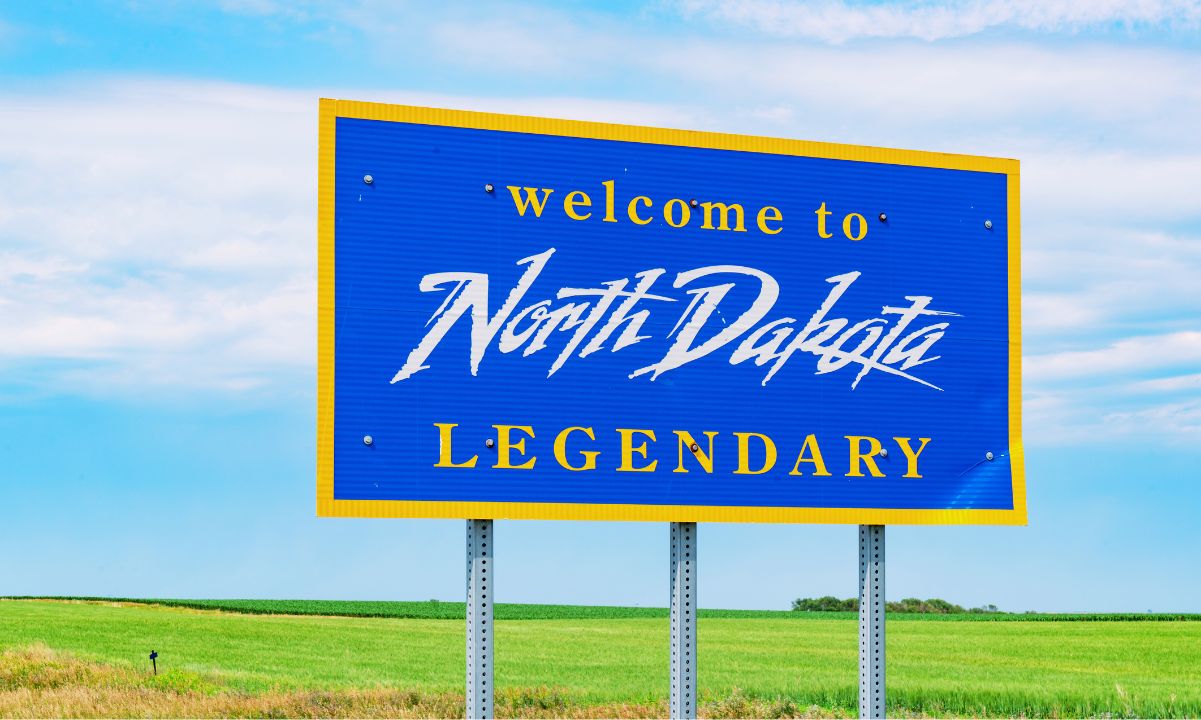
In an important development shaping the global Finance space, Milwaukee-based Fiserv announced on October 1 that its digital asset platform is live with financial institutional clients, and Bank of North Dakota’s Roughrider Coin is the first product running on it. Recent observations, according to dispatches from CryptoPotato (Crypto & Financial Markets), point to structural shifts with notable ramifications for industry participants and analysts alike.
Executive Key Takeaways
- Primary Signal: Milwaukee-based Fiserv announced on October 1 that its digital asset platform is live with financial institutional clients, and Bank of North Dakota’s Roughrider Coin is the first product running on it.
- Contextual Driver: The dollar-backed stablecoin settles on Solana and gives more than 90 banks and credit unions in the state a new way to move money between each other.
- Strategic Outlook: Roughrider Coin Runs on Solana Inside Fiserv’s Banking Platform Bank of North Dakota is using Fiserv’s issuance, reserve, custody, and settlement infrastructure to roll the coin out across the state’s banking and payments workflows.
Milwaukee-based Fiserv announced on October 1 that its digital asset platform is live with financial institutional clients, and Bank of North Dakota’s Roughrider Coin is the first product running on it. The dollar-backed stablecoin settles on Solana and gives more than 90 banks and credit unions in the state a new way to move money between each other. Roughrider Coin Runs on Solana Inside Fiserv’s Banking Platform Bank of North Dakota is using Fiserv’s issuance, reserve, custody, and settlement infrastructure to roll the coin out across the state’s banking and payments workflows. Participating institutions will reach it through Commercial Center, the commercial online banking system Fiserv’s clients already use for traditional interbank transfers. VersaBank will issue Roughrider Coin and handle custody, a job that includes minting, burning, and managing the reserve assets. Fireblocks supplies the digital asset infrastructure and tokenization services, while transactions are processed on the Solana blockchain. Sunil Sachdev, Firsev’s head of embedded finance and digital assets, stated that the company is “helping clients unlock new efficiencies in banking and payments” while keeping the security and regulatory standards they expect. Bank of North Dakota’s chief executive, Don Morgan, called the coin “a new tool to move money more efficiently across North Dakota’s interbank network.” VersaBank founder and president David Taylor described Fiserv’s scale paired with his firm’s regulated capabilities as a “trusted foundation to bring stablecoins into established banking and payments systems.” Roughrider Coin is only one use for Fiserv’s platform. It says it also supports stablecoin card issuance, cross-border payments, programmable commerce and treasury automation for financial institutions, corporates, marketplaces and fintechs. It also covers tokenized deposits and global currency account services, including US dollar accounts for financial institutions around the world. Stablecoin Regulations Taking Shape The launch comes as financial institutions face questions about how stablecoins should be backed, supervised, and presented to customers. As CryptoPotato reported last month, the Federal Reserve proposed two rules under the GENIUS Act: one requiring Fed-supervised issuers to fully back tokens with approved reserves, such as short-term Treasury bills, and another covering applications from supervised banks that want to issue payment stablecoins. The proposals were open to public comment, with the period set to run for 60 days after publication in the Federal Register. Consumer confidence is another hurdle. Visa’s Money Travels 2026 study found that 56% of surveyed Americans had never heard of stablecoins. However, the study also found that 45% would be willing to use them when offered by an existing financial provider, compared with 36% under a scenario without hypothetical bank-level fraud protection and deposit insurance. The post North Dakota’s Roughrider Coin Goes Live on Fiserv and Solana appeared first on CryptoPotato.
Market & Strategic Implications
Beyond immediate headlines, market participants are weighing secondary effects. The intersection of capital allocations, regulatory scrutiny, and shifting macroeconomic postures continues to elevate risk sensitivity across comparable assets and jurisdictions.
As further clarity emerges in upcoming briefings, institutional observers emphasize unit economics, policy enforcement, and counterparty exposure as primary barometers for long-term trajectory.




Comments (0)
No comments yet. Be the first to share your thoughts!
Leave a Comment