CJP Moves Supreme Court Over Missing Activists Dipke, Das, Ranka
The Citizens for Justice and Peace (CJP) has filed a habeas corpus petition in the Supreme Court of India seeking information on the whereabouts of three individuals—Dipke, Das, and Ranka—who are allegedly missing. CJP coverage coordinator Gaurav Bharti has requested an urgent hearing on October 11, escalating concerns over enforced disappearances and detention without legal process.
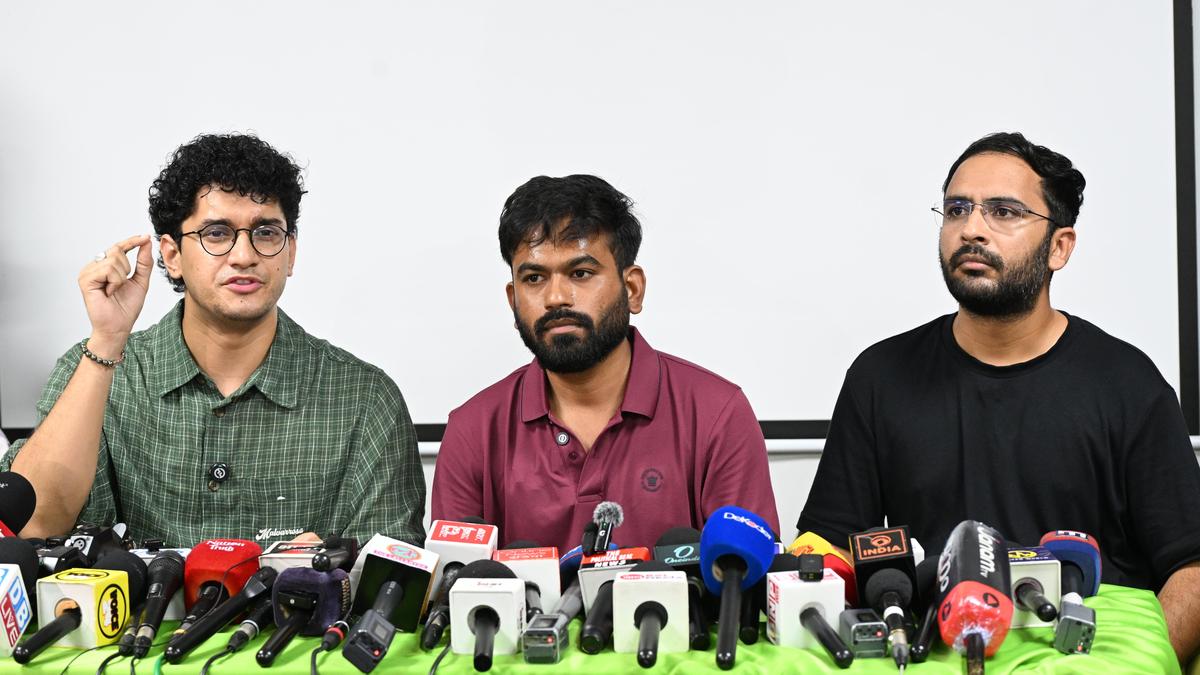
In a significant legal development, the Citizens for Justice and Peace (CJP) has approached the Supreme Court of India with a habeas corpus petition concerning the whereabouts of three individuals identified as Dipke, Das, and Ranka. The petition, filed by CJP coverage coordinator Gaurav Bharti, seeks an urgent hearing on October 11, underscoring the growing concern over the fate of the missing persons and the accountability of state authorities.
The habeas corpus petition demands that the court compel authorities to produce the three individuals and disclose the legal grounds for their detention, if any. The CJP, a prominent civil liberties organization, has been at the forefront of documenting alleged human rights violations and has previously intervened in cases of unlawful detention. The urgency of the request highlights fears that the individuals may be at risk and that their detention, if confirmed, could lack legal basis. The Supreme Court is yet to schedule the hearing, but the petition's filing signals a critical test of judicial oversight in matters of personal liberty.
The outcome of this case could have broader implications for the protection of fundamental rights in India, particularly regarding enforced disappearances and the right to life and liberty enshrined in the Constitution. International human rights bodies and domestic watchdogs are closely monitoring the proceedings, as the Supreme Court's response will set a precedent for how such cases are handled. If the court admits the petition, it may direct law enforcement agencies to reveal the individuals' locations and circumstances, potentially leading to further legal action and public scrutiny. The next steps hinge on the court's decision to grant an urgent hearing, which would mark a crucial moment for justice and transparency.




Comments (0)
No comments yet. Be the first to share your thoughts!
Leave a Comment