Child Marriage Persists in Telangana Despite Decline, Threatening Girls' Futures
Despite a steady decline in child marriages in Telangana, the practice continues due to poverty, social pressures, and family circumstances, placing girls at risk of early marriage with consequences for their education, health, and independence. An examination by Abhinay Deshpande highlights the persisting issue and its impact on young lives.
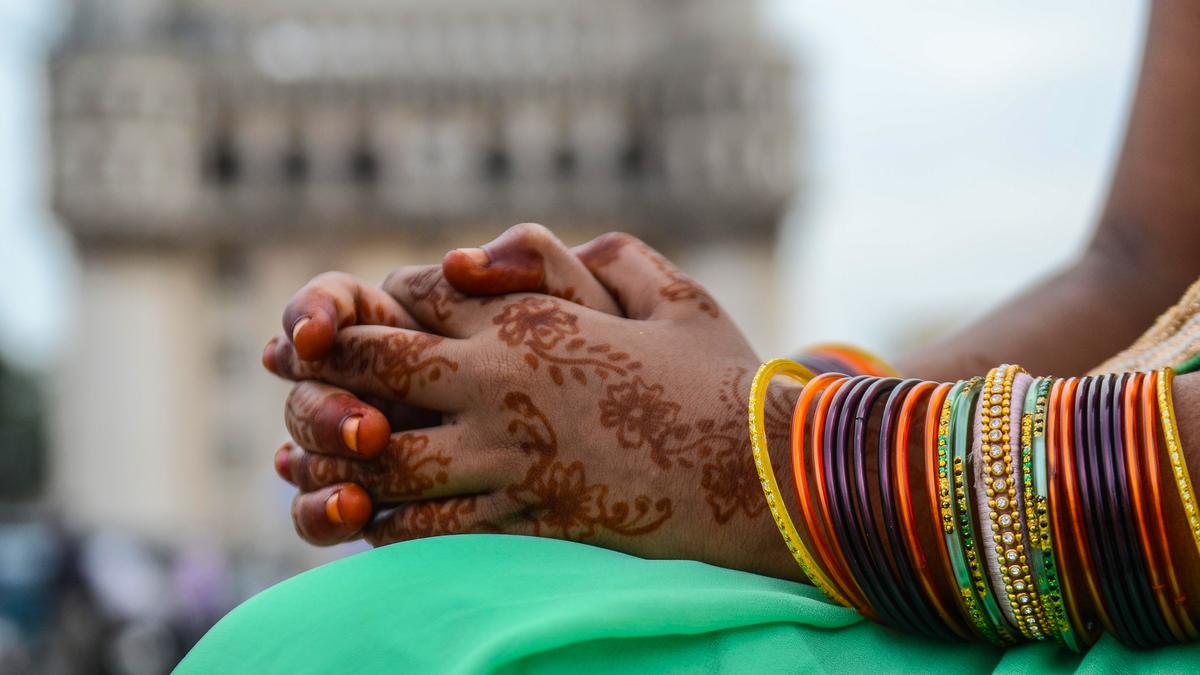
In Telangana, India, child marriage remains a persistent issue despite a steady decline in recent years. Poverty, social pressures, and family circumstances continue to place girls at risk of being married early, with severe consequences for their education, health, and independence. The practice persists as a hidden crisis, affecting countless young lives across the state.
According to an examination by Abhinay Deshpande, while official data shows a decline in child marriages, the practice continues unabated in many communities. Factors such as economic hardship, lack of education, and deep-rooted social norms contribute to the persistence of this harmful tradition. Girls married early are often forced to drop out of school, face health risks from early pregnancy, and are denied opportunities for personal and economic independence.
The implications of this issue are far-reaching, perpetuating cycles of poverty and gender inequality. While government programs and NGOs have made efforts to curb child marriage, more comprehensive measures are needed to address the root causes. The next steps must include stronger enforcement of laws, community education, and empowerment of girls through education and economic opportunities. Without such efforts, the fight to end child marriage in Telangana will remain an uphill battle.


Comments (0)
No comments yet. Be the first to share your thoughts!
Leave a Comment