Cheap Drones, Costly Defense: The Interceptor Crisis
The proliferation of low-cost drones has created an urgent need for interception systems that are both affordable and reliable enough to protect military bases, troops, and critical infrastructure. India's Jwala interceptor program faces significant cost challenges in achieving this balance, highlighting a global dilemma in modern air defense.

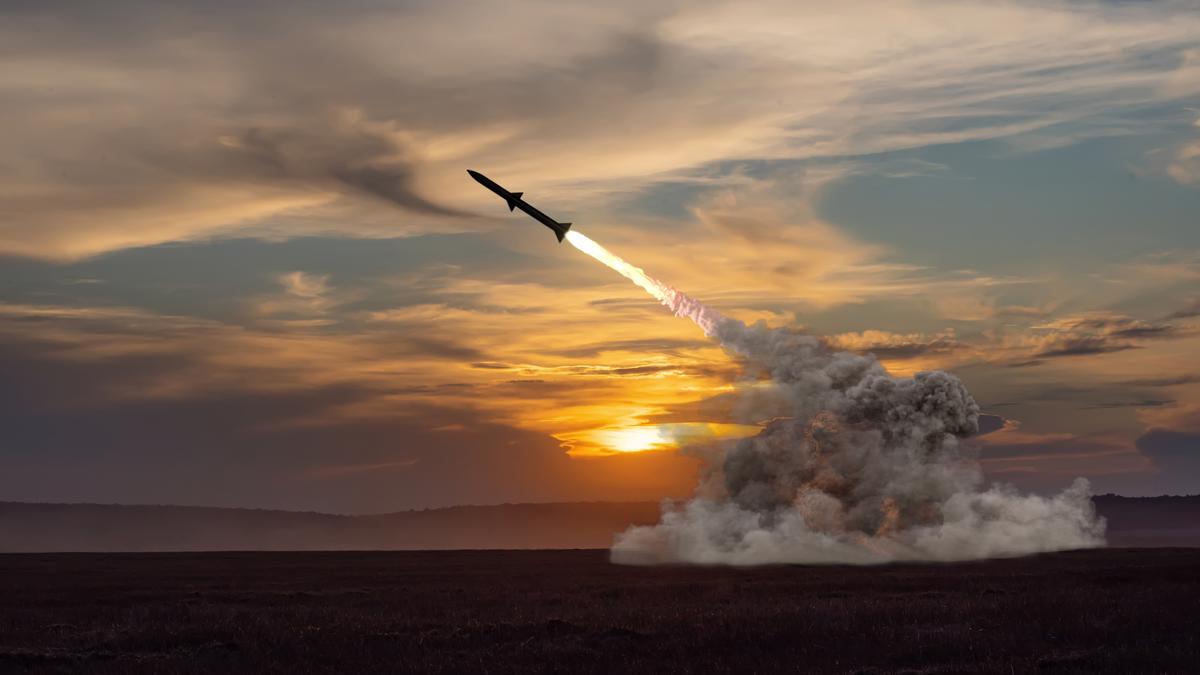
The rapid proliferation of inexpensive drones has upended traditional air defense calculations, forcing militaries worldwide to seek interception systems that are cheap enough to deploy repeatedly yet reliable enough to safeguard bases, troops, and critical infrastructure. India’s Jwala interceptor program has emerged as a case study in this balancing act, with its cost structure under scrutiny as the country seeks to counter asymmetric drone threats.
According to a report by The Hindu, the challenge lies in developing interceptors that can be produced at a fraction of the cost of the drones they target, without compromising on reliability. While specific figures remain undisclosed, defense analysts note that even a $500 interceptor can be economically unsustainable if adversaries deploy $200 drones in swarms. The Jwala system, part of India’s broader push for indigenous defense technology, must navigate this cost-performance trade-off amid rising regional drone incidents.
The implications extend beyond India, as nations from the U.S. to Israel grapple with similar economic equations. A cost-effective solution could reshape counter-drone strategies globally, but failure to achieve affordability may leave critical assets vulnerable. Next steps likely include accelerated testing, potential public-private partnerships, and calls for innovative financing models to bring interception costs down.
Jaison M K is the Founder and Senior Tech Analyst at Incisor News. With an extensive background in digital media architecture, cloud computing, and semiconductor supply chains, he oversees editorial standards and directs technical reporting on sovereign silicon, artificial intelligence infrastructure, and the digital economy. Direct inquiries: jaison@incisornews.tech




Comments (0)
No comments yet. Be the first to share your thoughts!
Leave a Comment