Blood Stain Warning: Hot Water Ruins Fabric—Experts Say Cold Water and Enzymes Are the Only Safe Fix
Cleaning experts warn that using hot water on blood stains causes proteins to coagulate and permanently bind to fabric, making the stain irreversible. The only safe method requires cold water at every stage—from soak to rinse—to keep blood particles mobile, followed by enzyme-based treatments. Carolyn Forté of the Good Housekeeping Institute emphasizes that stain removal must be tailored to the specific fabric and stain type, as generic advice often overlooks material-specific risks.
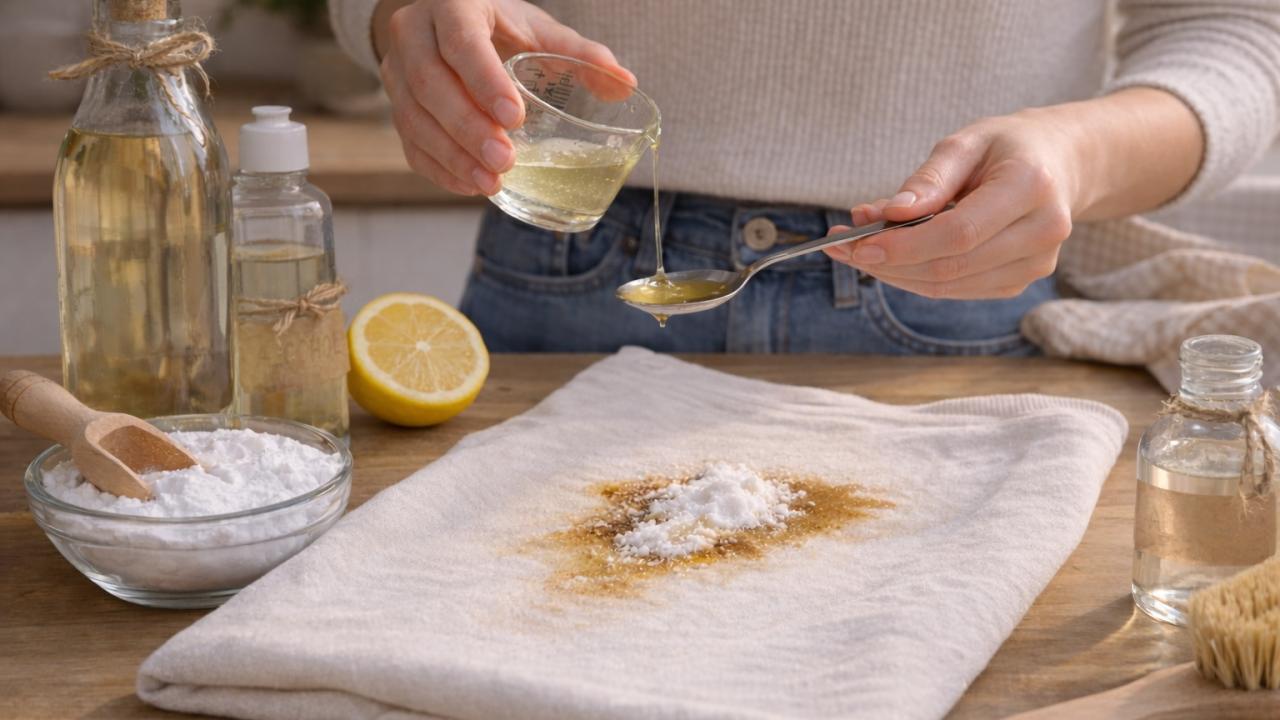
In a consumer advisory issued this week, cleaning experts are urging households to abandon hot water when treating blood stains on clothing and textiles, warning that heat causes blood proteins to coagulate and permanently bind to fabric fibers. According to Carolyn Forté of the Good Housekeeping Institute, the most common mistake is using hot water, which turns a manageable stain into a permanent defect. The recommended approach instead relies on cold water at every stage—from initial soak to final rinse—to keep blood particles mobile and prevent them from penetrating the thread structure.
Forté, who directs the Home Care and Cleaning Lab at the Good Housekeeping Institute, stressed that stain removal is not a one-size-fits-all task. 'The specific surface and nature of the stain dictate the correct approach; generic advice often overlooks these material-specific risks,' she said. For fresh stains, experts advise holding the fabric under a stream of cold water with enough pressure to push the blood out from the inside. Enzyme-based cleaners are also recommended to break down residual protein, but only after the cold-water flush.
The implications extend beyond household laundry: improper stain removal can lead to costly replacements of clothing and upholstery, and may pose hygiene risks if bloodborne pathogens remain. While the advice is not new, its renewed emphasis comes as viral cleaning hacks on social media often promote hot-water solutions that experts say are counterproductive. Consumers are advised to check fabric care labels and test any cleaning method on a hidden area first. Next steps for researchers include developing more enzyme-based products that work effectively at low temperatures.




Comments (0)
No comments yet. Be the first to share your thoughts!
Leave a Comment