Algorithmic Market Making: High-Frequency Liquidity in Modern Volatility Cycles
Human traders in brightly colored jackets on exchange trading floors have been replaced by fiber-optic colocation and statistical arbitrage models. Vinod V demystifies modern electronic market making.

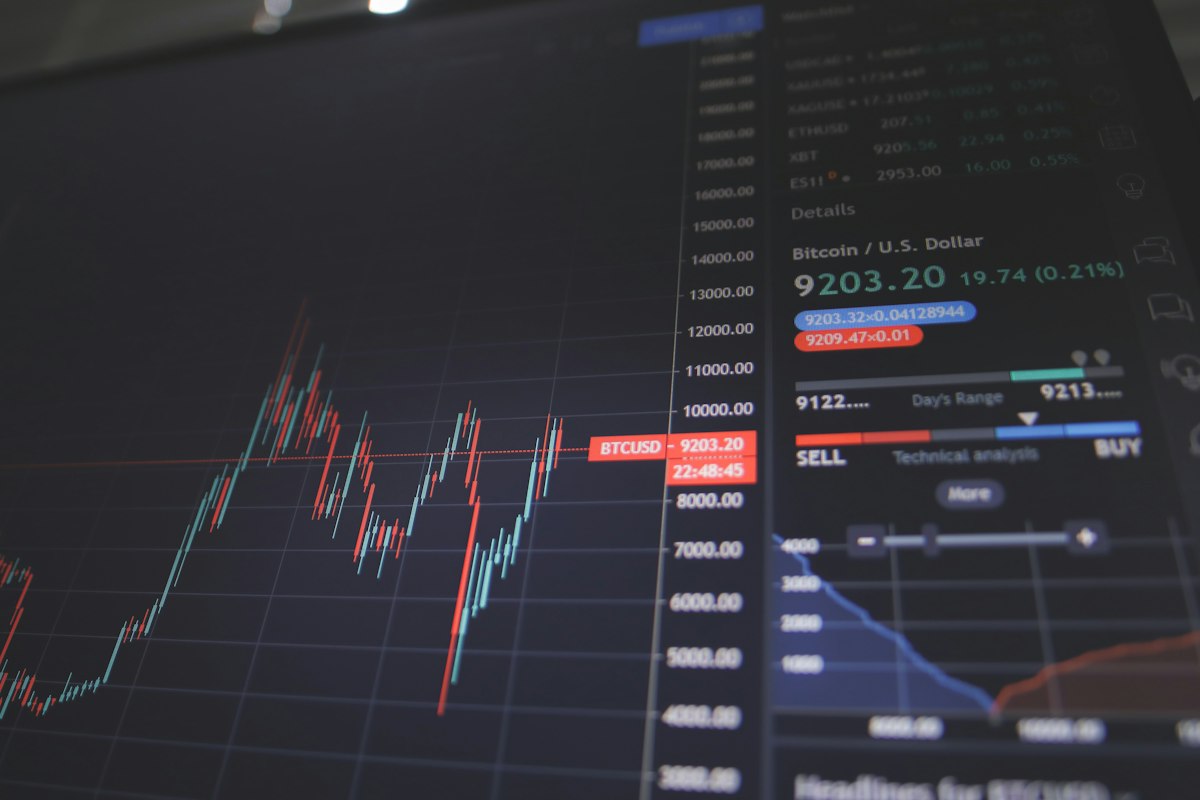
To the casual observer, financial exchanges are depicted as chaotic trading pits where brokers wave paper slips and shout orders. In reality, modern public equities, futures, and foreign exchange markets are fully automated digital matching engines operating at nanosecond speeds.
At the center of this electronic ecosystem sit algorithmic market makers (MMs): quantitative trading firms that do not gamble on the long-term direction of stock prices, but instead provide continuous, two-sided bid and ask quotes to market participants.
The Mechanics of Electronic Liquidity Provision
In traditional markets, buying or selling a large block of stock required negotiating with a human specialist, who charged wide spreads to compensate for inventory risk. Modern algorithmic market makers utilize complex mathematical models and ultra-low latency hardware colocated directly inside exchange data centers.
By posting millions of micro-quotes simultaneously across hundreds of instruments, these systems earn fractions of a cent on the bid-ask spread while continuously hedging inventory risk across correlated index futures and exchange-traded funds (ETFs).
The Benefits: Narrow Spreads and Instant Execution
For everyday retail investors and pension funds, electronic market making has democratized investing. Bid-ask spreads on major blue-chip equities have contracted to pennies, and brokerage transaction commissions have plummeted to zero, saving investors billions in annual frictional execution costs.
The Risks: Flash Crashes and Liquidity Evaporation
However, algorithmic liquidity has a documented vulnerability: it is highly sensitive to volatility shocks. During unprecedented geopolitical crises or unexpected economic data releases, automated risk management algorithms may abruptly cancel active quotes to prevent catastrophic loss.
When algorithmic market makers step back simultaneously, the order book thins dramatically within milliseconds, triggering sharp, disorienting "flash crashes." Regulators have responded by enforcing dynamic circuit breakers and limit-up/limit-down bands, ensuring that liquidity can reset safely during periods of severe structural stress.
Vinod V is a Senior Financial Reporter and Market Analyst with over twelve years of experience in economic and business journalism. He covers global central banking, foreign exchange liquidity, private debt markets, and corporate earnings, delivering fact-based, data-grounded insights for investors and enterprise leaders. Direct inquiries: vinod.v@incisornews.tech
Comments (0)
No comments yet. Be the first to share your thoughts!
Leave a Comment