AI Resurrects Orson Welles' Lost 'Magnificent Ambersons' Ending—Edward Saatchi Sparks Hollywood Uproar
British entrepreneur Edward Saatchi is using artificial intelligence to recreate the lost ending of Orson Welles' 1942 film 'The Magnificent Ambersons,' which was famously altered by RKO studio. The project aims to restore Welles' original vision but raises ethical and artistic controversies.
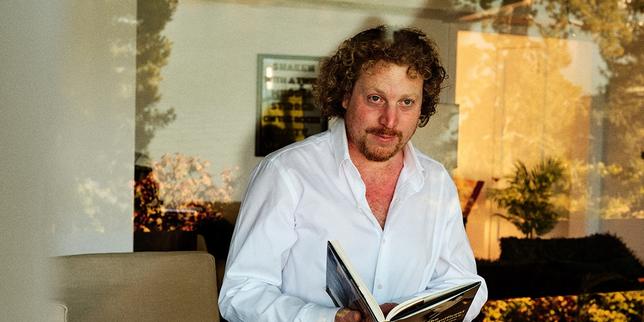
British entrepreneur Edward Saatchi has announced a project to use artificial intelligence to recreate the lost ending of Orson Welles' 1942 masterpiece 'The Magnificent Ambersons.' The original ending was drastically altered by RKO studio executives, who cut over 40 minutes of Welles' footage and shot a new, happier conclusion without his involvement. Saatchi, known for his work in AI and virtual beings, aims to restore Welles' intended vision using machine learning algorithms trained on the director's style and surviving script pages.
The film, based on Booth Tarkington's Pulitzer Prize-winning novel, was Welles' follow-up to 'Citizen Kane' and was heavily re-edited while Welles was in Brazil. The original ending, which was more tragic and faithful to the novel, has long been considered lost, though some stills and script excerpts survive. Saatchi's team plans to generate new footage that mimics Welles' directorial techniques, including his signature deep-focus cinematography and long takes. 'This is about honoring an artist's vision and using technology to fill a historical gap,' Saatchi said in a statement. However, the project has sparked debate among film purists and historians, who argue that AI cannot truly replicate human creativity and that such efforts risk rewriting history.
The announcement has ignited a broader conversation about the role of AI in art and preservation. While some see it as a groundbreaking way to restore lost cultural heritage, others condemn it as an ethical overreach that undermines the integrity of original works. The Welles estate has not yet commented, and it remains unclear whether the recreated ending will be publicly released or kept as an experimental exercise. As AI continues to advance, this case may set a precedent for how technology intersects with legacy and authorship in cinema.




Comments (0)
No comments yet. Be the first to share your thoughts!
Leave a Comment