Worse Than Coal? US Gas Flooding Europe Sparks Carbon Firestorm
With 60% of Europe's liquefied natural gas imports now sourced from the United States, the carbon footprint of this energy supply is under intense scrutiny. Critics argue that US LNG, primarily fracked and shipped across the Atlantic, may be worse for the climate than coal, while industry groups dispute the claims. The debate is shaping European energy policy and transatlantic relations.
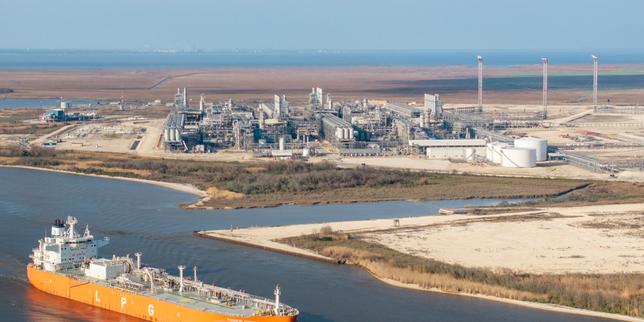
The carbon footprint of liquefied natural gas (LNG) imported from the United States to Europe is under fierce debate as new figures reveal that US LNG now accounts for 60% of Europe's total LNG imports. The surge in US shipments follows Europe's push to replace Russian pipeline gas after the invasion of Ukraine, but environmental groups and some scientists warn that the lifecycle emissions of US LNG—from fracking to liquefaction and transatlantic transport—could make it more damaging to the climate than coal.
The controversy centers on methane leakage during extraction and processing, as well as the energy-intensive liquefaction and shipping process. While the US gas industry and some European officials argue that LNG is essential for energy security and a transition fuel, recent studies suggest that methane emissions across the supply chain are significantly underreported. The European Commission has been urged to tighten regulations on methane emissions, but no definitive policy has been enacted.
The outcome of this debate will have major implications for Europe's energy strategy, its climate goals, and transatlantic trade. If US LNG is deemed worse than coal, it could trigger a reassessment of import contracts and accelerate investments in renewables and energy efficiency. Meanwhile, the US is expected to defend its LNG as a cleaner alternative, setting the stage for a potential clash at upcoming international climate talks.





Comments (0)
No comments yet. Be the first to share your thoughts!
Leave a Comment