Tiger Tourism at a Crossroads: Inside Bandhavgarh’s Forests
A recent visit to Bandhavgarh National Park in Madhya Pradesh highlights the delicate balance between tiger tourism and ecological conservation. The experience yielded a grand tiger sighting along with lessons on responsible tourism practices. The evolving nature of tiger tourism raises questions about sustainability and the future of wildlife habitats.
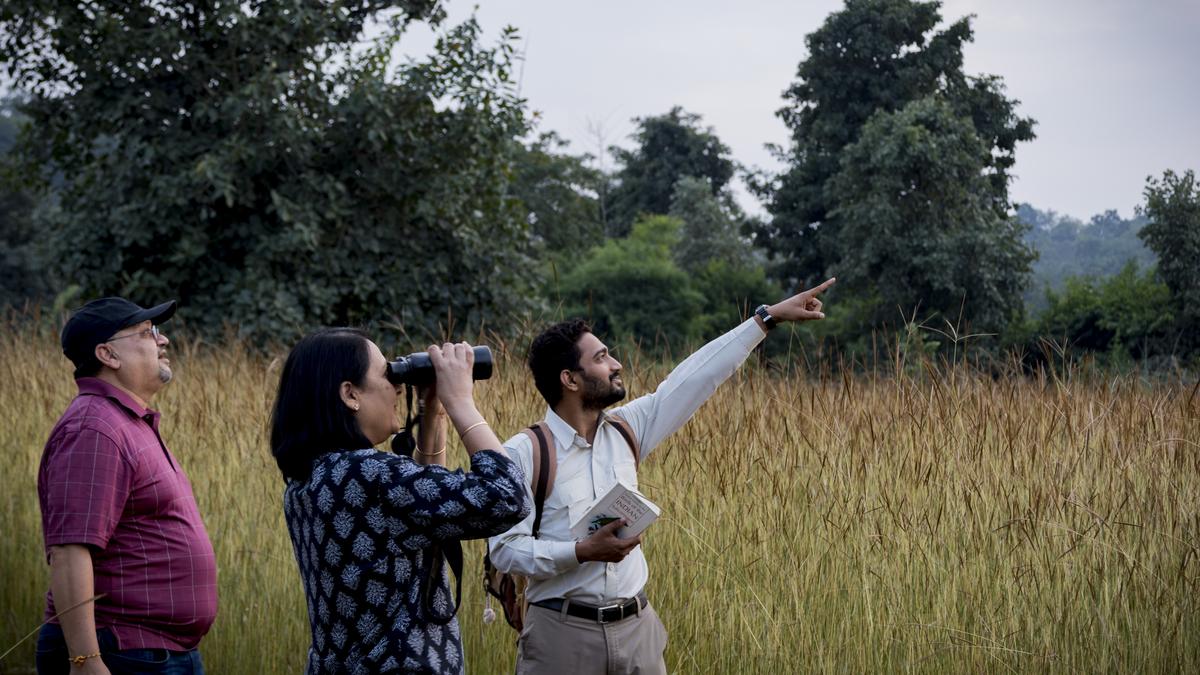
In the dense forests of Bandhavgarh National Park in Madhya Pradesh, India, a recent expedition to observe tigers culminated in a grand sighting, offering profound insights into the evolving nature of tiger tourism. The visit underscored the growing emphasis on responsible tourism practices that prioritize ecological balance alongside wildlife viewing.
Bandhavgarh, renowned for its high tiger density, has become a focal point for debates on sustainable tourism. With increasing visitor numbers, concerns about habitat disturbance and stress on wildlife have prompted calls for stricter regulations. Conservationists argue that while tourism generates vital revenue for parks, it must be managed to prevent adverse impacts on tiger behavior and forest ecosystems.
The experience highlights the need for a structural realignment towards eco-centric tourism models that educate visitors and involve local communities. As global interest in wildlife tourism grows, Bandhavgarh’s approach could serve as a blueprint for balancing conservation with economic benefits, ensuring that future generations can continue to witness these majestic creatures in their natural habitat.





Comments (0)
No comments yet. Be the first to share your thoughts!
Leave a Comment