Bhopal's 2047 Master Plan Sparks Lake Protection Crisis as City Expands
The Bhopal Development Plan 2047 significantly expands the capital's planning footprint, raising urgent questions about lake and catchment protection. Experiences from Hyderabad and Bengaluru underscore the need to safeguard drainage networks and interconnected water bodies, while Delhi and Ahmedabad offer lessons in integrated infrastructure and sustainable urban planning.
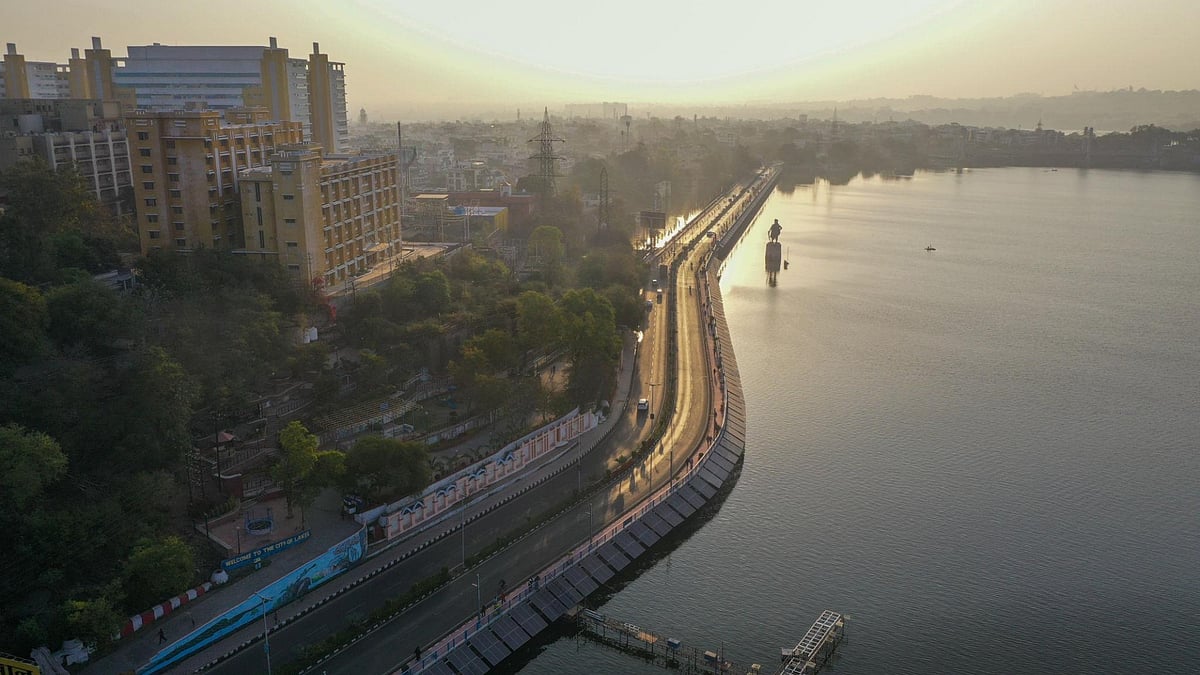
The Bhopal Development Plan 2047, a sweeping urban expansion blueprint for the capital of Madhya Pradesh, has raised significant concerns over the protection of the city's lakes and their catchments. The plan, which dramatically increases the planning footprint, comes amid growing scrutiny of how rapid urbanization will affect Bhopal's interconnected water bodies, which are vital to the city's ecology and water security.
Drawing on experiences from other Indian cities, the plan's success will hinge on safeguarding drainage networks and preventing encroachment. Hyderabad and Bengaluru have faced severe flooding and lake degradation due to unplanned growth, while Delhi and Ahmedabad offer models of integrated infrastructure and land management. Bhopal's administration has yet to release specific protection measures, but officials acknowledge the need to balance expansion with environmental sustainability.
The implications extend beyond Bhopal, as cities across India grapple with similar challenges. Environmental groups are calling for transparent implementation and strict enforcement of catchment protections. The next steps will involve public consultations and detailed zoning regulations, with global observers watching whether Bhopal can avoid the mistakes of its peers and set a benchmark for sustainable urban planning in the region.





Comments (0)
No comments yet. Be the first to share your thoughts!
Leave a Comment