Algeria Imposes Death Penalty for Arson After Wildfires Kill Over 200
Algeria has introduced the death penalty for arsonists following a series of deadly wildfires in the north-east of the country that killed more than 200 people over the summer. The move is part of a broader government crackdown, but raises human rights concerns and questions about the root causes of the fires.
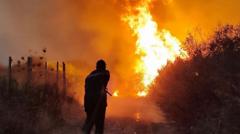
Algeria has introduced the death penalty for arsonists following a devastating series of wildfires that swept through the north-east of the country over the summer, killing more than 200 people. The new measure, reported by BBC News, aims to deter those responsible for setting fires that have caused widespread destruction and loss of life.
The wildfires, which raged for months, were among the deadliest in Algeria's history. Authorities have blamed arsonists for many of the blazes, though specific details on arrests or convictions remain unclear. The introduction of capital punishment for arson marks a significant escalation in the government's response, which has also included increased emergency funding and international aid appeals. Official statements have emphasized the need for harsh penalties to protect communities and natural resources.
The decision has sparked concerns among human rights organizations, who argue that the death penalty is a disproportionate and ineffective deterrent. Some critics suggest that underlying issues such as poor forest management, climate change, and social tensions may contribute to the fires. The international community has yet to issue a unified response, but the move is likely to draw scrutiny from Western allies and human rights groups. Next steps may include legal challenges and debates over the effectiveness of such punitive measures.





Comments (0)
No comments yet. Be the first to share your thoughts!
Leave a Comment