AI Traffic Cops Under Fire: Bengaluru's Automated Challans Face Accuracy Test
The Hindu examines the accuracy of Bengaluru Traffic Police's AI-powered Intelligent Traffic Management System (ITMS), which automatically flags violations and generates challans. Amid broader debates on AI in policing, the report details how the system works, its error rates, and the process for challenging erroneous fines.
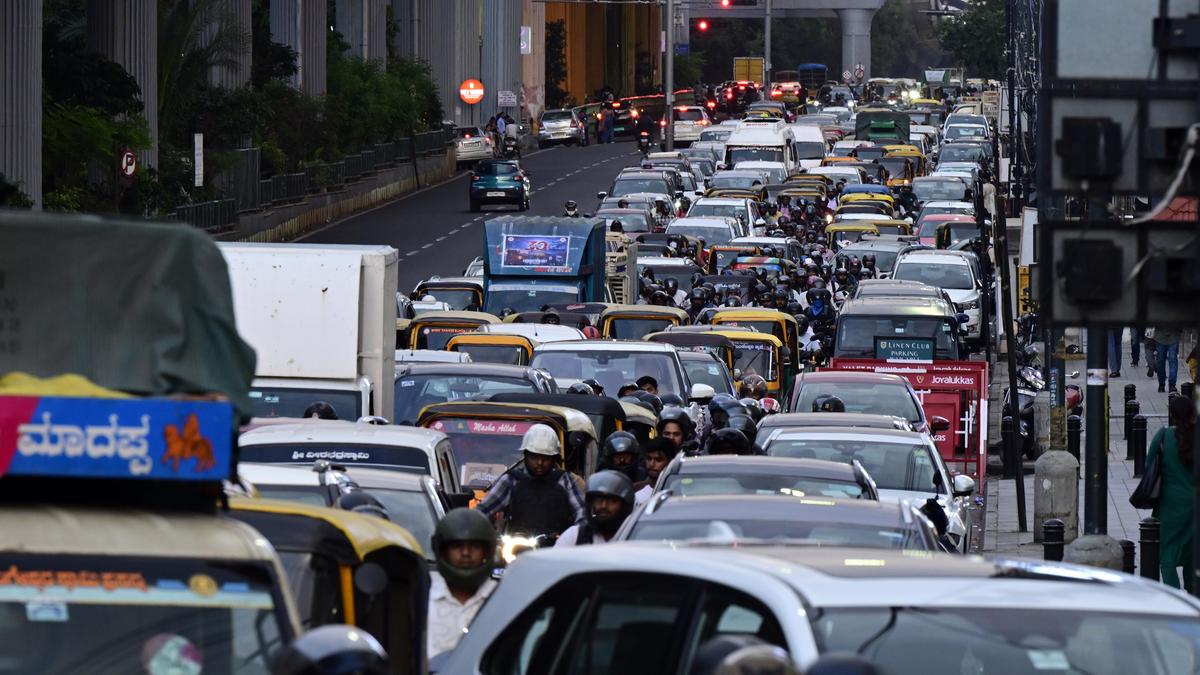
In Bengaluru, India's tech hub, the traffic police have deployed an AI-driven Intelligent Traffic Management System (ITMS) to automatically detect violations and issue challans (fines). The system, which uses cameras and machine learning to flag offenses like signal jumping and helmetless riding, has sparked debate over its accuracy and fairness. The Hindu's explainer, published today, investigates how the ITMS operates and the reliability of the violations it reports.
The ITMS leverages a network of cameras and algorithms to identify traffic infractions in real time, generating e-challans sent to vehicle owners. While officials claim the system enhances enforcement efficiency, critics point to erroneous fines and lack of transparency. The report outlines the steps for challenging incorrect challans, including online portals and physical offices, and notes that the burden of proof often falls on the accused. According to police data, thousands of challans are issued daily, but the exact error rate remains undisclosed.
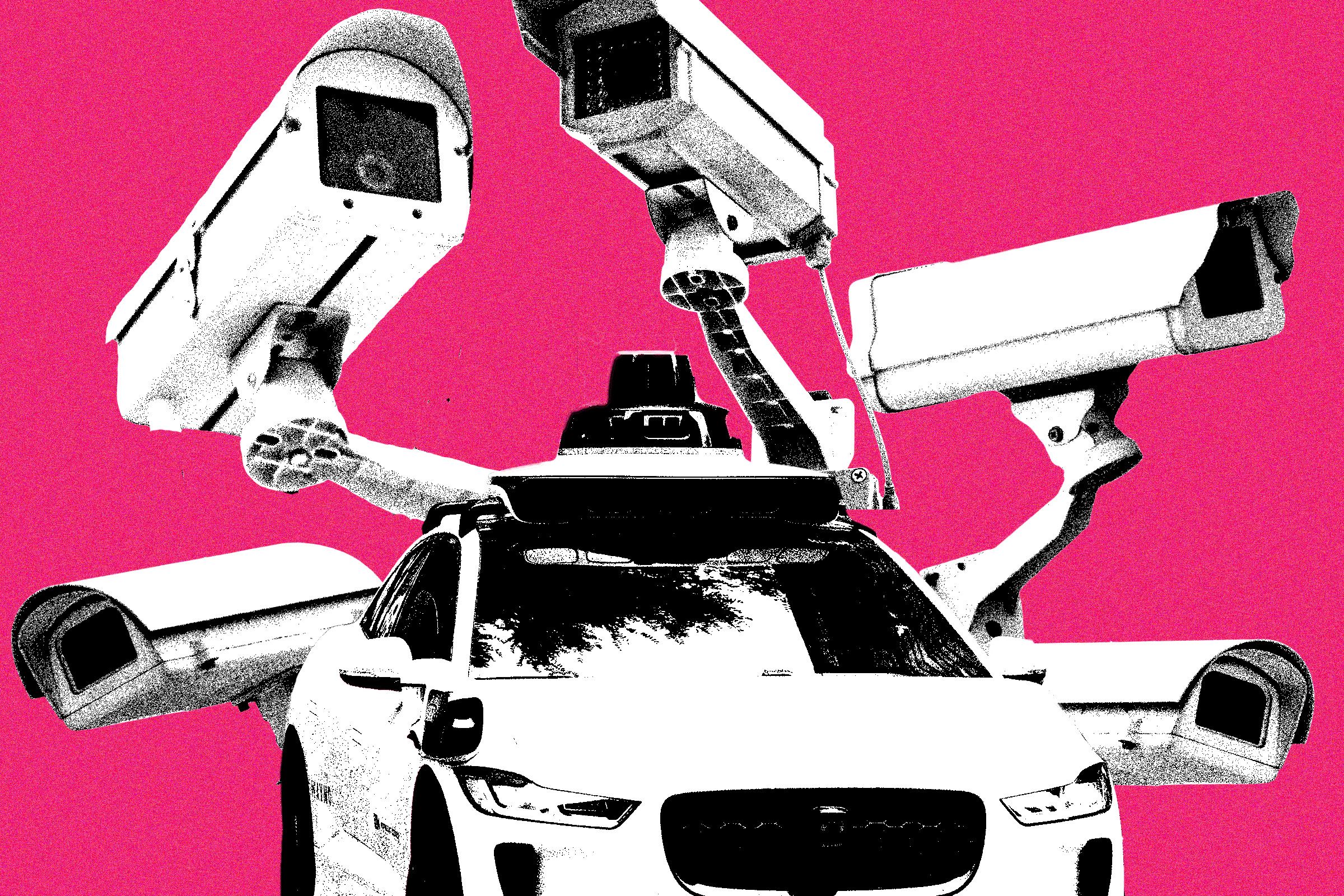
The scrutiny of Bengaluru's AI traffic enforcement mirrors global concerns about bias and accountability in automated policing. As cities worldwide adopt similar technologies, the need for robust oversight and redressal mechanisms becomes critical. The Bengaluru Traffic Police have yet to announce any audits or reforms, but the ongoing debate may pressure authorities to improve accuracy and public trust. Incisor News will continue to monitor developments.



Comments (0)
No comments yet. Be the first to share your thoughts!
Leave a Comment