Thrifted Clothing Becomes Fashion's Hottest Status Symbol as Resale Tech Booms
Thrifted clothing has transformed from a budget necessity into a trendy status symbol, fueled by technology platforms like Poshmark and ThredUp that streamline buying and selling. These resale sites have turned second-hand fashion into a booming industry, reshaping consumer behavior and retail economics.
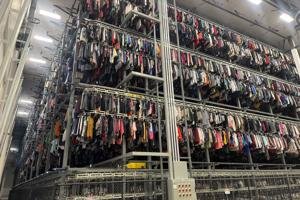
The second-hand clothing market has undergone a dramatic transformation, evolving from a money-saving option to a trendy and booming industry, driven largely by technology platforms such as Poshmark and ThredUp. These sites use advanced algorithms and logistics to streamline buying and selling, making thrifted fashion more accessible and desirable than ever before.
Once stigmatized as a budget necessity, thrifted clothing is now a status symbol, with influencers and celebrities flaunting second-hand finds. The resale industry is projected to reach $64 billion globally by 2024, according to ThredUp's 2020 Resale Report, as consumers increasingly prioritize sustainability and unique style. Poshmark, which went public in January 2021, reported over 70 million users, while ThredUp has processed over 100 million items since its founding in 2009.
The rise of resale tech has significant implications for traditional retail, forcing brands to adapt to a circular economy. While some luxury labels have embraced resale through partnerships, others face challenges as second-hand competition grows. The trend also raises questions about labor practices and environmental impact in the resale supply chain, with calls for greater transparency. As technology continues to reshape fashion consumption, the line between new and thrifted is blurring, signaling a lasting shift in consumer values.




Comments (0)
No comments yet. Be the first to share your thoughts!
Leave a Comment