Rabies Crisis: 1 in 5 Dog-Bite Victims in India Unvaccinated, ICMR Study Reveals
An ICMR-led study has uncovered critical gaps in rabies post-exposure prophylaxis in India, with about one in five dog-bite victims not receiving the anti-rabies vaccine. Only 66.2% received at least three doses, and among those who started with one dose, nearly half did not complete the course, raising concerns that official rabies death numbers may be significantly underestimated.
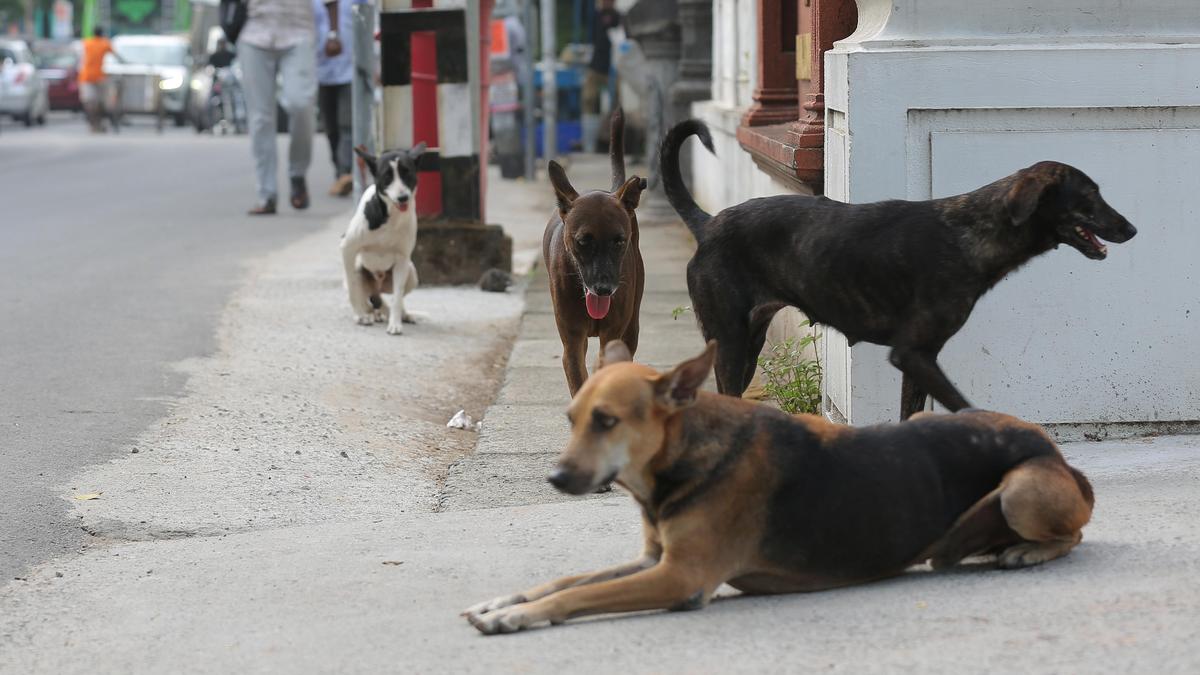
An ICMR-led study has revealed alarming gaps in rabies prevention in India, with approximately one in five dog-bite victims not receiving the anti-rabies vaccine. The study, which examined post-exposure prophylaxis (PEP) adherence, found that only 66.2% of victims received at least three doses of the vaccine, and among those who received only one dose, nearly half did not complete the full vaccination course. These findings raise serious questions about the effectiveness of current rabies control measures and suggest that official rabies death statistics may be a significant underestimate.
Rabies is a fatal viral disease transmitted through animal bites, primarily dogs, and is almost 100% preventable with timely and complete PEP. India accounts for a substantial portion of global rabies deaths, with estimates ranging from 18,000 to 20,000 annually, though official figures often differ sharply. The ICMR study highlights critical gaps in vaccine accessibility, awareness, and adherence, particularly in rural areas where dog bites are common and healthcare access is limited. The study underscores the need for stronger public health interventions to ensure timely and complete vaccination.
The implications of these findings are profound: incomplete vaccination not only risks individual lives but also undermines broader rabies elimination goals. Global health organizations, including the WHO, have called for increased investment in rabies control, and India's National Rabies Control Programme aims to eliminate dog-mediated rabies by 2030. However, without addressing these vaccination gaps, achieving that target remains uncertain. The study calls for urgent measures to improve vaccine coverage, including better surveillance, community education, and ensuring vaccine availability at primary health centers.




Comments (0)
No comments yet. Be the first to share your thoughts!
Leave a Comment