Plan Bee: How AI and Honeybee Sounds Saved Over 255 Elephants on Indian Railway Tracks
Train collisions along migratory corridors have historically posed a grave threat to wild elephant populations across India. In forested stretches of Northeast India, where railway lines cut directly through dense elephant habitats, human-wildlife co...
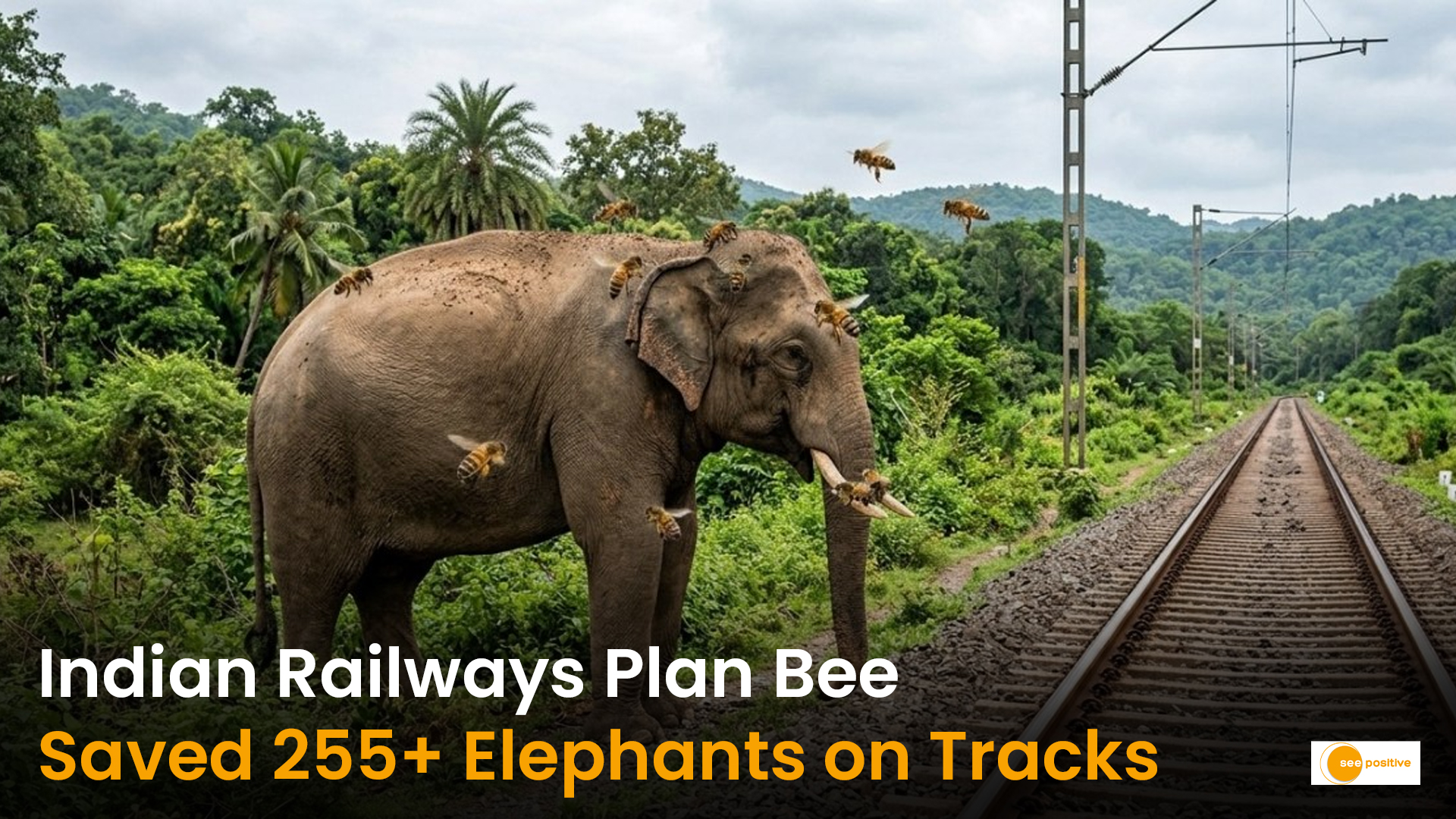
New reporting has brought renewed attention to the Business arena, where Train collisions along migratory corridors have historically posed a grave threat to wild elephant populations across India. Dispatches according to dispatches from NewsData.io Business & Tech Wire point to an evolving situation with noteworthy secondary impacts.
Executive Key Takeaways
- Primary Signal: Train collisions along migratory corridors have historically posed a grave threat to wild elephant populations across India.
- Contextual Driver: In forested stretches of Northeast India, where railway lines cut directly through dense elephant habitats, human-wildlife conflict often led to tragic fatalities.
- Strategic Outlook: To combat this critical issue, Indian Railways—specifically the Northeast Frontier Railway (NFR)—implemented an innovative mix of bio-acoustics and artificial intelligence.
Train collisions along migratory corridors have historically posed a grave threat to wild elephant populations across India. In forested stretches of Northeast India, where railway lines cut directly through dense elephant habitats, human-wildlife conflict often led to tragic fatalities. To combat this critical issue, Indian Railways—specifically the Northeast Frontier Railway (NFR)—implemented an innovative mix of bio-acoustics and artificial intelligence. Known as Plan Bee and complemented by modern Intrusion Detection Systems (IDS), this technology initiative has successfully saved over 255 elephants from train accidents across the region. Here is an in-depth look at how mimicking honeybees and deploying AI sensors transformed wildlife conservation along India’s railway corridors. What Is ‘Plan Bee’? The Science Behind the Sound Elephants are apex herbivores with exceptional hearing and memory, but they possess a natural biological fear: honeybees. Elephants actively avoid bee swarms because stings near their sensitive trunks, eyes, and mouths cause acute distress. Indian Railways capitalized on this natural behavior by developing a simple yet effective acoustic device: When herd leaders hear the bee buzzing near the tracks, they instinctively halt and divert the herd away from the railway lines, preventing disastrous collisions. Next-Gen Upgrade: AI-Powered Intrusion Detection Systems (IDS) While Plan Bee deters animals locally using sound, Indian Railways expanded its defense network by deploying advanced AI-based Intrusion Detection Systems (IDS) along track beds. How the AI Network Functions: Proven Results: Over 255 Lives Saved in Northeast India The combination of acoustic deterrence and AI monitoring has delivered measurable success for the Northeast Frontier Railway zone: Metric / Impact Area Outcome / Achievement Elephants Saved Over 255 wild elephants safely turned back or detected Primary Region Assam, West Bengal, and northern eco-sensitive zones Success Rate Near-zero collision rates in fully monitored AI zones National Recognition Awarded Best Innovation by Indian Railways By combining non-invasive acoustic devices with software monitoring, railway operations continue without causing environmental disruption to national parks and reserves. Why This Model Is a Global Benchmark for Tech in Conservation The success of Plan Bee and AI intrusion monitoring highlights key principles for modern wildlife conservation: The success of Plan Bee demonstrates how creative engineering can solve complex environmental challenges. By combining simple bio-acoustic devices with artificial intelligence, Indian Railways created a reliable safety network that protects both passengers and India’s wild elephant heritage. The post Plan Bee: How AI and Honeybee Sounds Saved Over 255 Elephants on Indian Railway Tracks appeared first on See Positive .
Market & Strategic Implications
Beyond immediate headlines, market participants are weighing secondary effects. The intersection of capital allocations, regulatory scrutiny, and shifting macroeconomic postures continues to elevate risk sensitivity across comparable assets and jurisdictions.
As further clarity emerges in upcoming briefings, institutional observers emphasize unit economics, policy enforcement, and counterparty exposure as primary barometers for long-term trajectory.




Comments (0)
No comments yet. Be the first to share your thoughts!
Leave a Comment